Banda Sea

A legendary dive haven of deep walls, sea snakes, and coral-covered volcanic slopes

History and Volcanic Beauty—Banda Island and the Ring of Fire

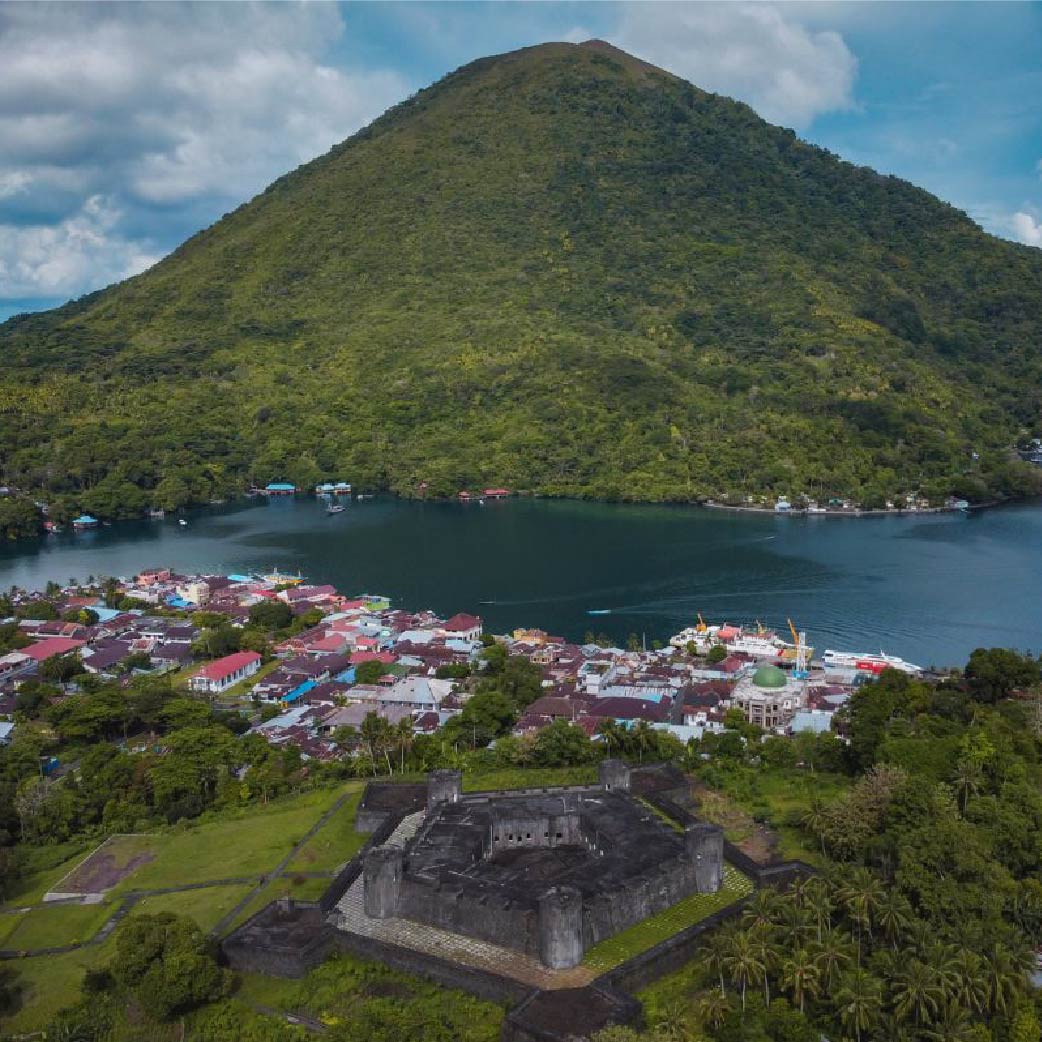
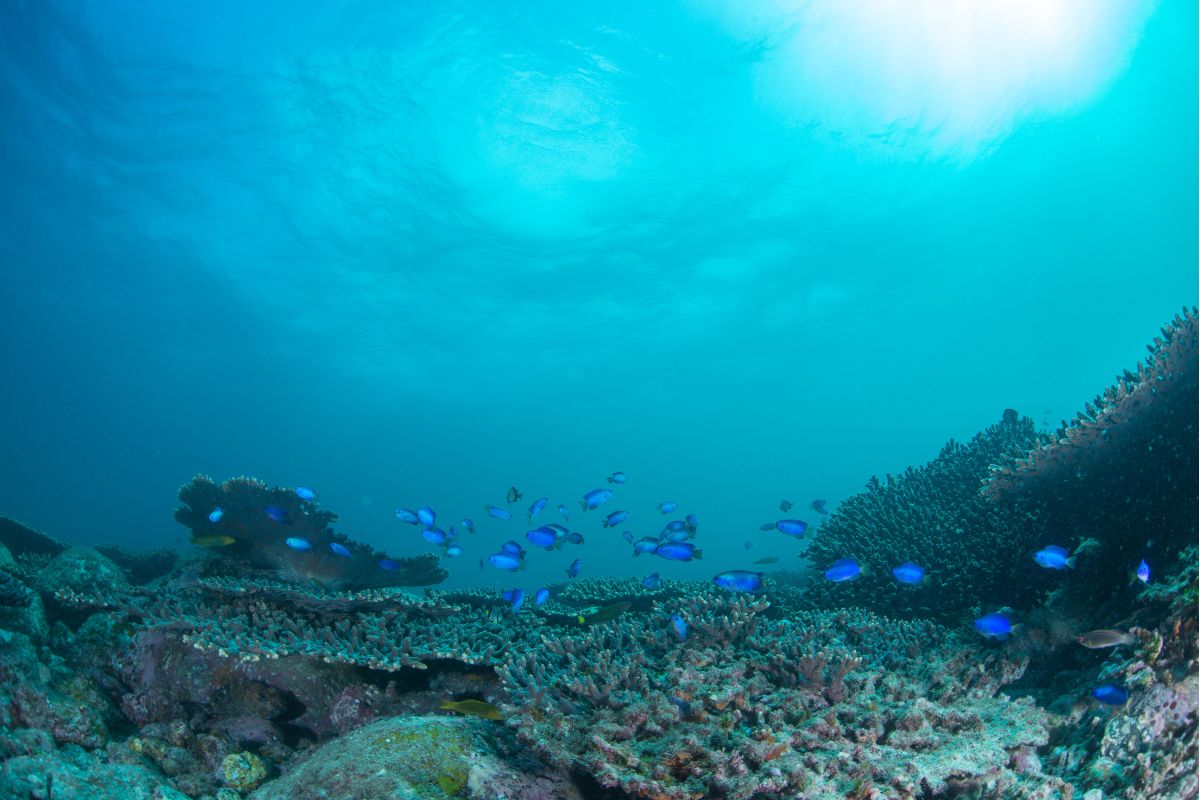
Set in the heart of the Banda Sea, the Banda Islands, best reached via Banda Sea liveaboard, are a captivating blend of rich colonial history and pristine underwater ecosystems. Known as the original ‘Spice Islands,’ these volcanic islands offer Banda Sea diving with hammerhead shark encounters, WWII wrecks, and some of the best coral growth in Indonesia.


Banda Island
Banda Islands
Once the heart of the spice trade, Banda Islands combines rich cultural heritage with thriving marine biodiversity. WWII wrecks, steep coral walls, hammerheads in season, and crystal-clear waters make it one of Indonesia’s most unique dive destinations.
Ring Of Fire
Ring of Fire
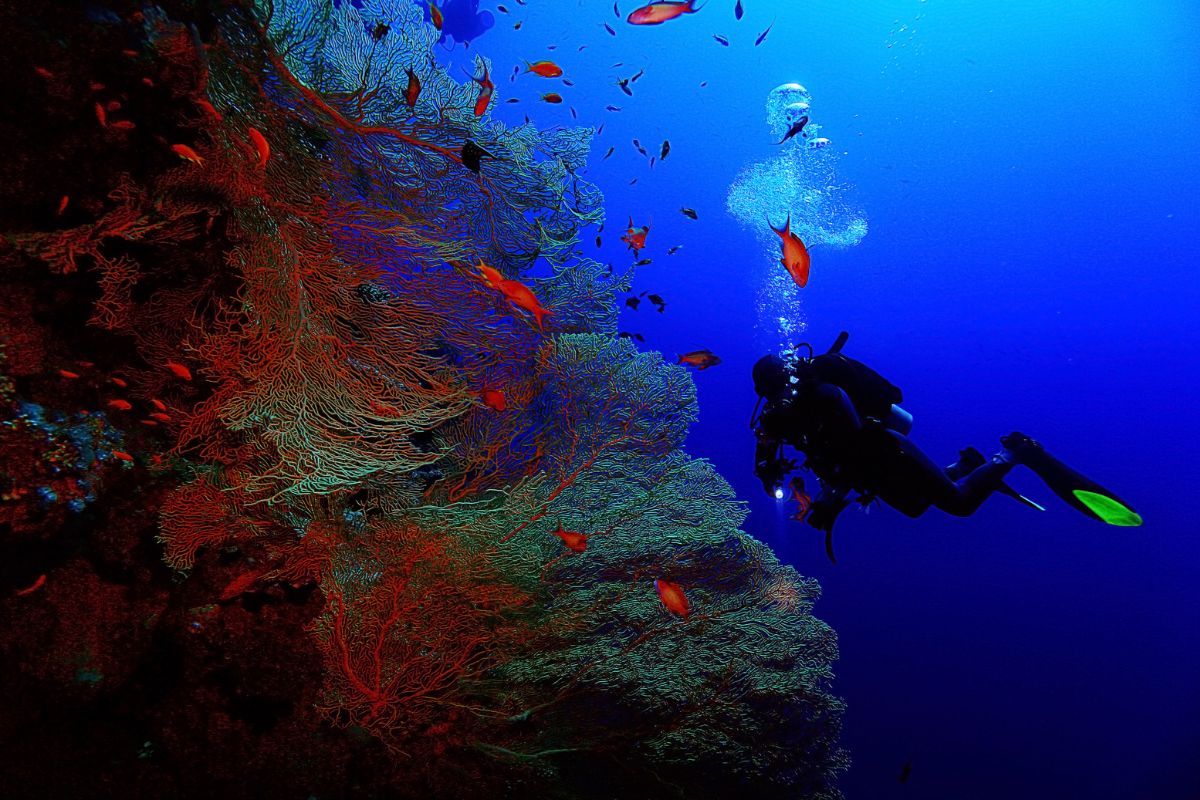
This chain of volcanic islands delivers dramatic underwater topography shaped by centuries of eruptions. Expect plunging walls, lava slopes, and nutrient-rich currents that attract large pelagics, schooling fish, and pristine coral growth. A paradise for adventurous divers seeking raw, untamed beauty.

Main Access Point

Ambon

BEST SEASON TO VISIT

• March to April

• September to November

GETTING THERE

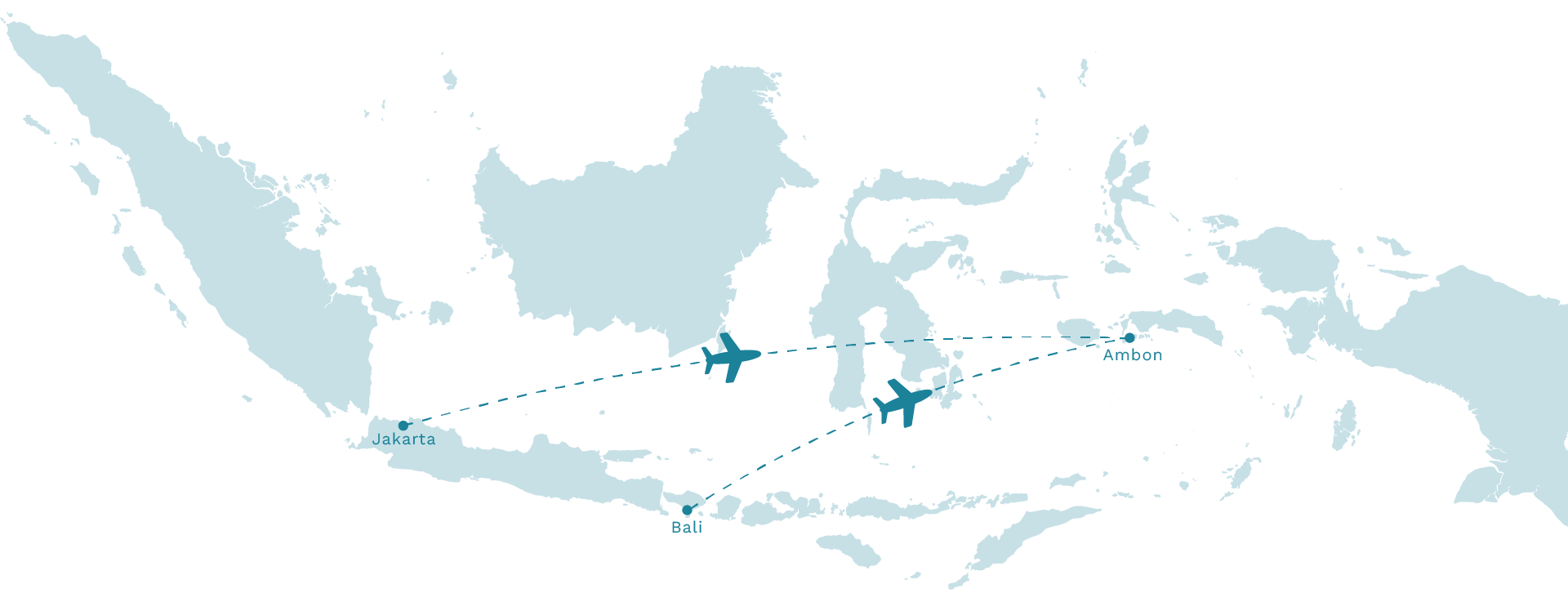
Jakarta (CGK) - Ambon (AMQ)

Singapore (SIN) – Makassar (UPG) - Ambon (AMQ)

MARINE BIODIVERSITY

Underwater volcanic formations, historic dive sites, underwater vibrant corals, schooling fish, pelagics

Why Visit

Banda Sea

Discover the untamed beauty of Indonesia’s best-kept secret—the Banda Sea. Nestled within the powerful Pacific Ring of Fire, this region is shaped by volcanic forces that have birthed dramatic landscapes above and below the surface. Once the heart of the fabled Spice Islands, the Banda Sea offers a rich tapestry of history, vibrant coral reefs, and rare geological wonders.

From witnessing hammerhead shark congregations to diving amidst lava flows teeming with marine life, every moment here is infused with raw natural power. With fewer crowds and unmatched serenity, the Banda Sea is not just a destination—it’s a journey into a hidden world where nature, culture, and adventure ignite.

Diving in

Banda Sea

xr:d:DAFzuU4uaAc:1839,j:7847931387701357392,t:23111304
Manuk Island

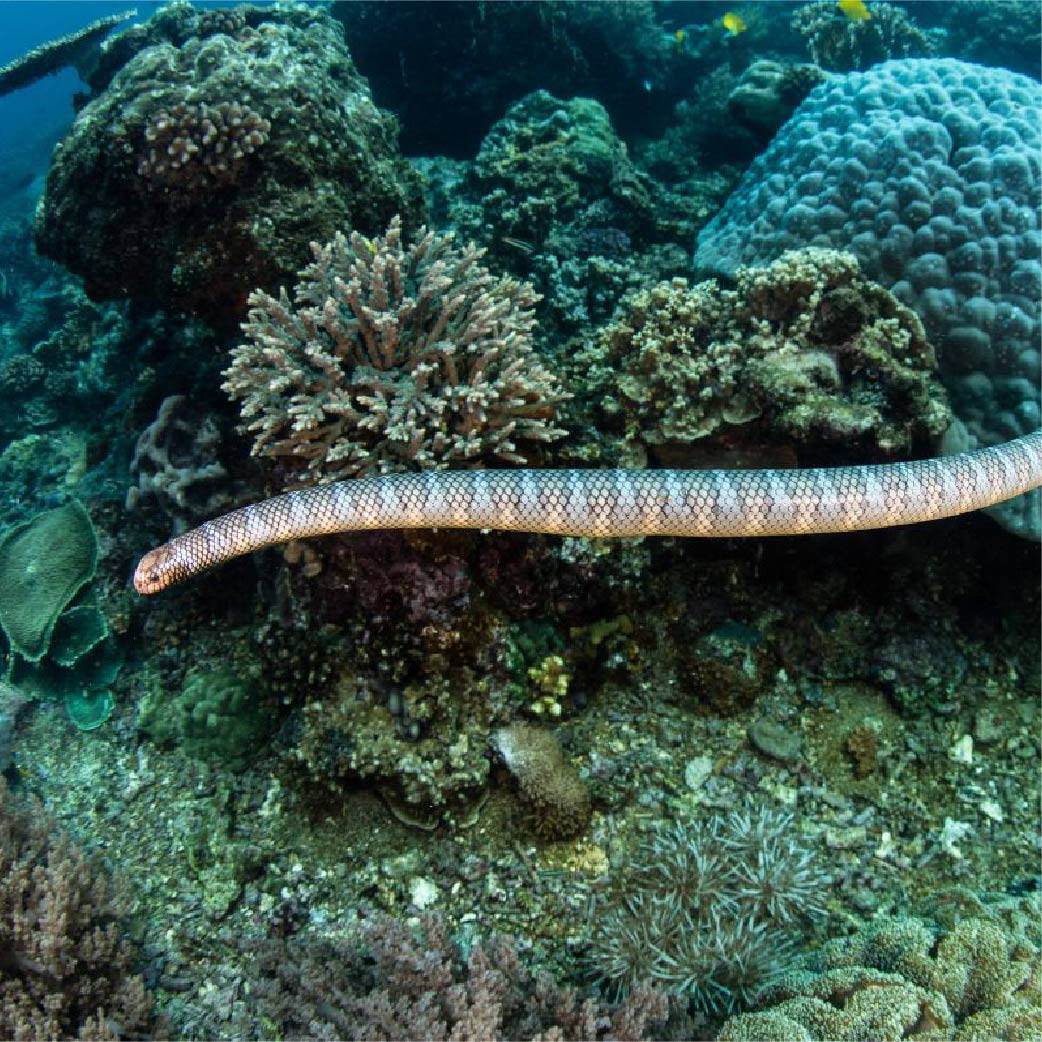
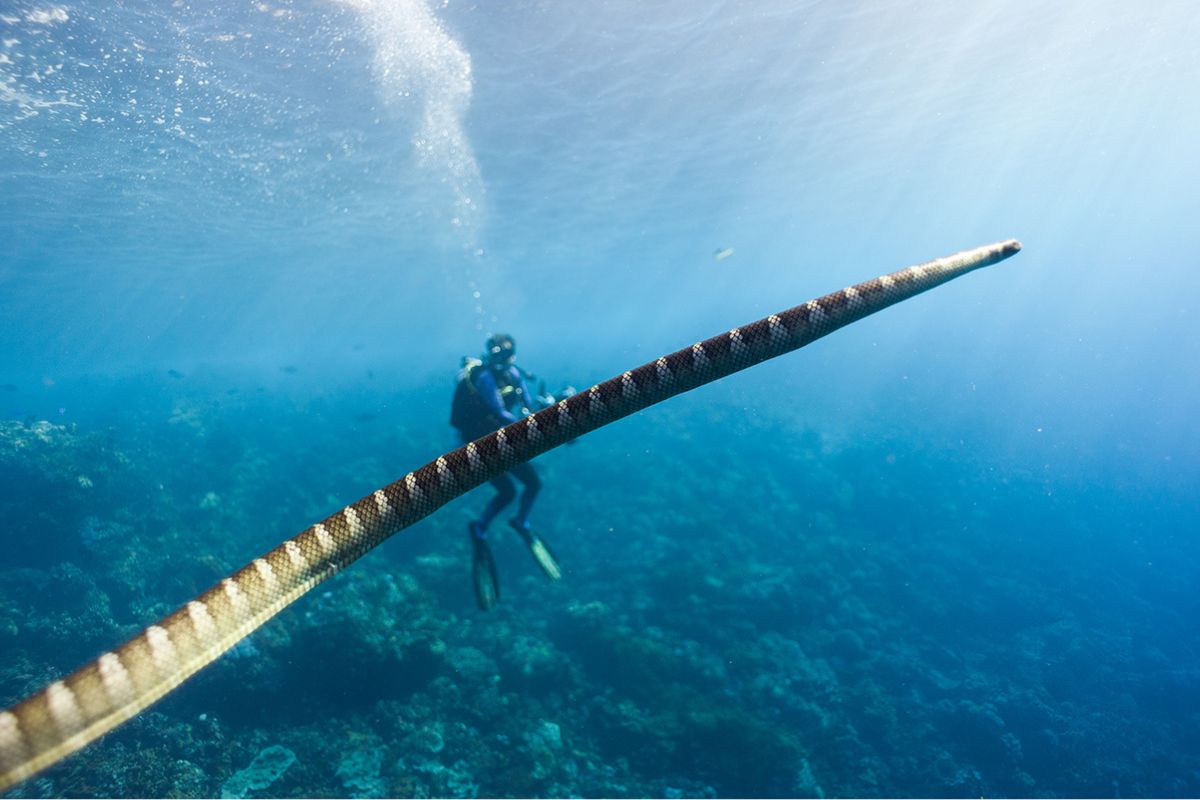
A geothermal haven filled with non-aggressive sea snakes, coral slopes, and big fish like barracuda, trevally, and reef sharks.

xr:d:DAFzuU4uaAc:1847,j:6427045707737215633,t:23111304
Banda Neira Jetty

Home to a sunken British warship and vibrant macro life including pygmy seahorses, ghost pipefish, and nudibranchs.

xr:d:DAFzuU4uaAc:1857,j:490175498619541877,t:23111304
Lava Flow

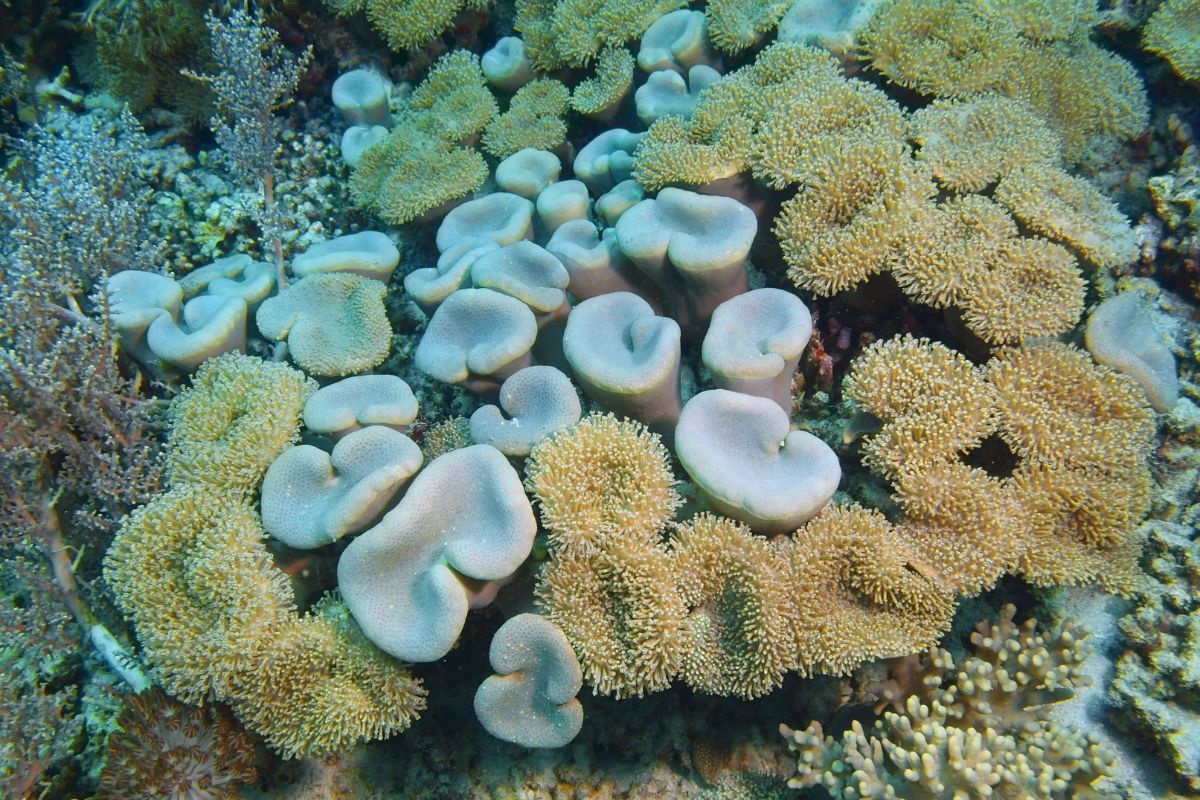
Coral-encrusted black sand reef formed by a volcanic eruption. Rapid coral growth and sightings of cuttlefish, parrotfish, and wrasse.

xr:d:DAFzuU4uaAc:1641,j:6595930635624949816,t:23111215
Batu Kapal

A dramatic pinnacle dive with sharks, large groupers, morays, sweetlips, and gorgonian fans.

xr:d:DAFzuU4uaAc:1863,j:5242599005305797560,t:23111304
Hatta Island

Coral slopes with trevallies, reef sharks, turtles, and hammerhead sightings in deeper blue water.

xr:d:DAFzuU4uaAc:585,j:1691510516566909153,t:23111110
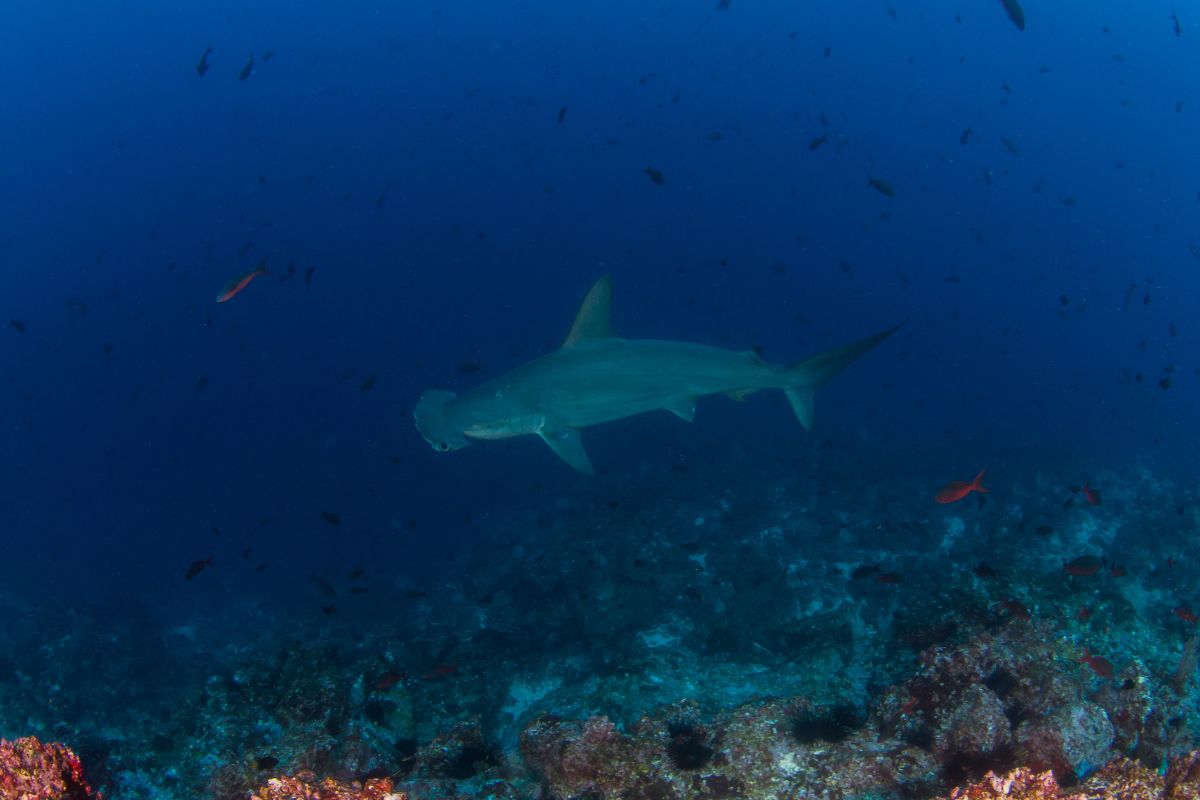
Hammerhead Sharks

Most reliably seen from October to November in deeper waters around Hatta and Ai Island.

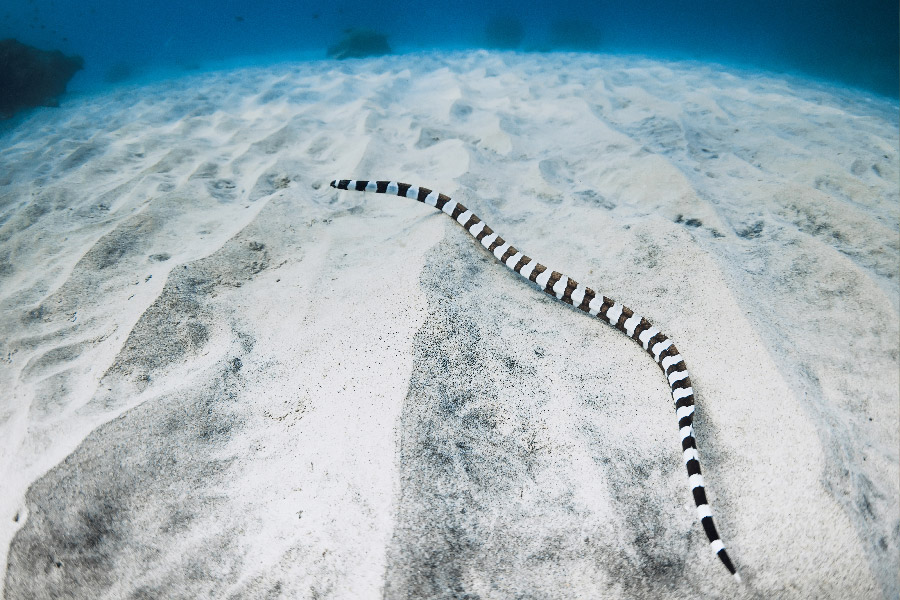
Sea Snake
Sea Snakes

Abundant around Manuk Island, drawn by geothermal activity.

xr:d:DAFzuU4uaAc:630,j:4803497868220587040,t:23111112
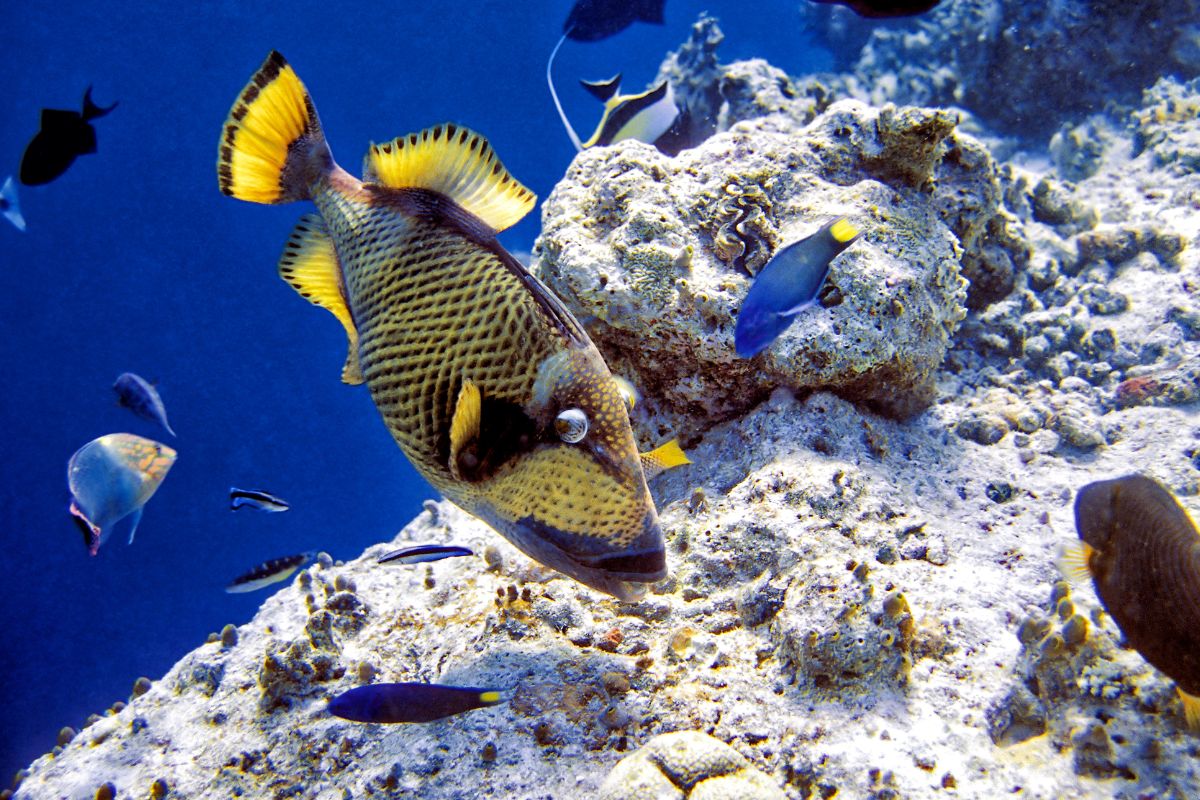
Reef Fish

Over 700 species including Napoleon wrasse, parrotfish, and bannerfish.

xr:d:DAFzuU4uaAc:484,j:5107490830747687797,t:23111109
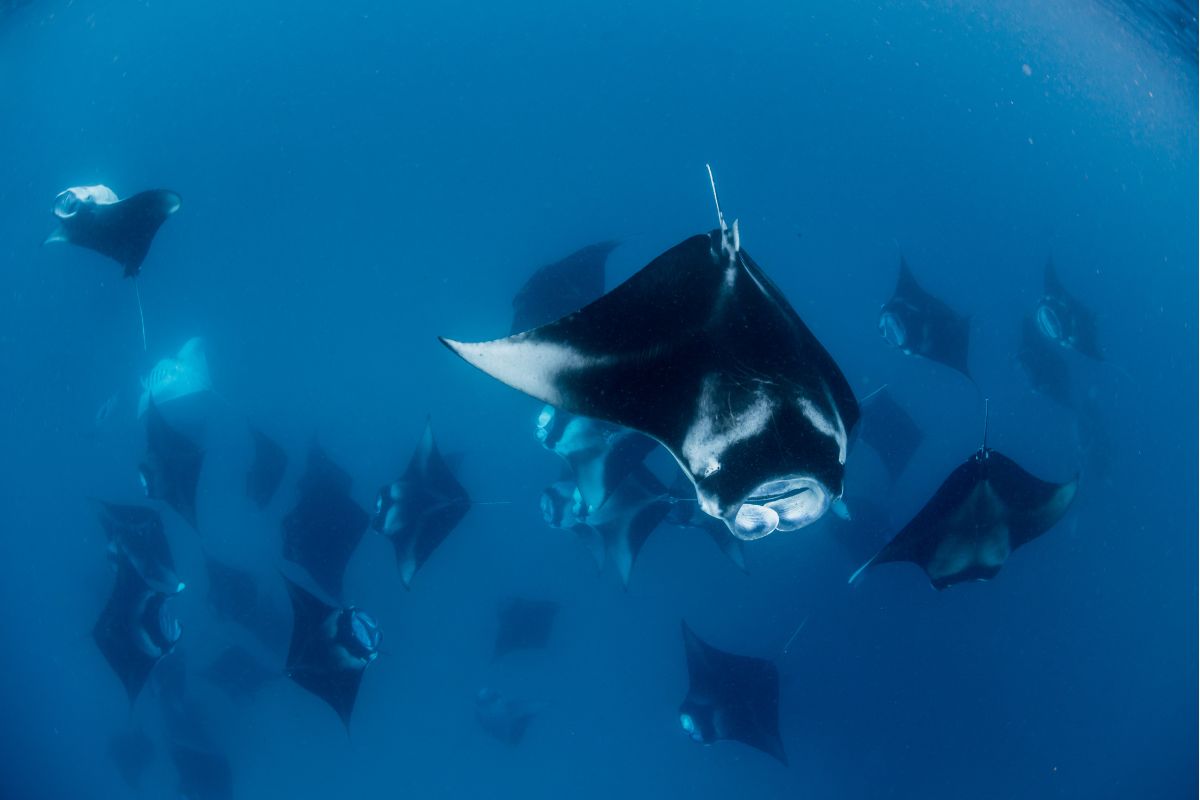
Rays

Reef and oceanic mantas may be spotted around deeper walls and cleaning stations.

xr:d:DAFzuU4uaAc:469,j:4938605842522099485,t:23111109
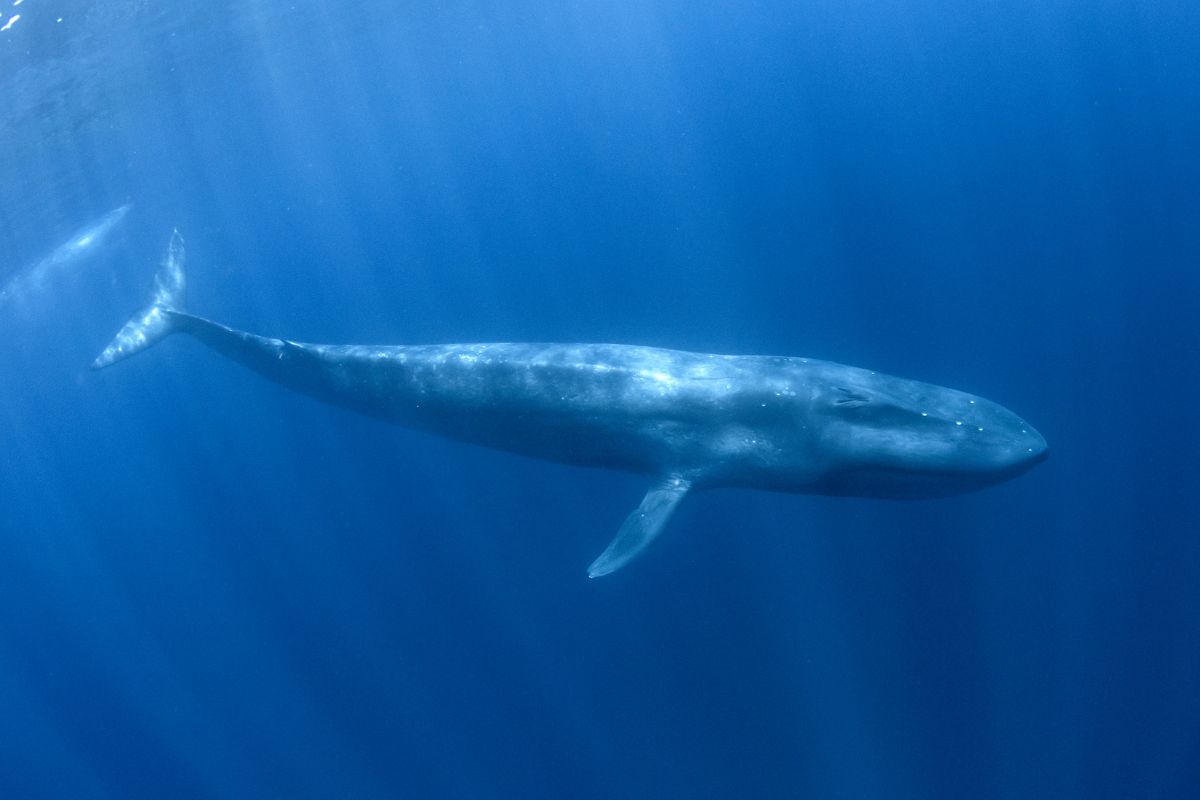
Dolphins & Whales

Blue whales, pilot whales, and spinner dolphins migrate seasonally through the Banda Sea.

The water temperature in the Banda Sea generally stays between 27°C and 29°C year-round, though deeper thermoclines can dip as low as 24°C.
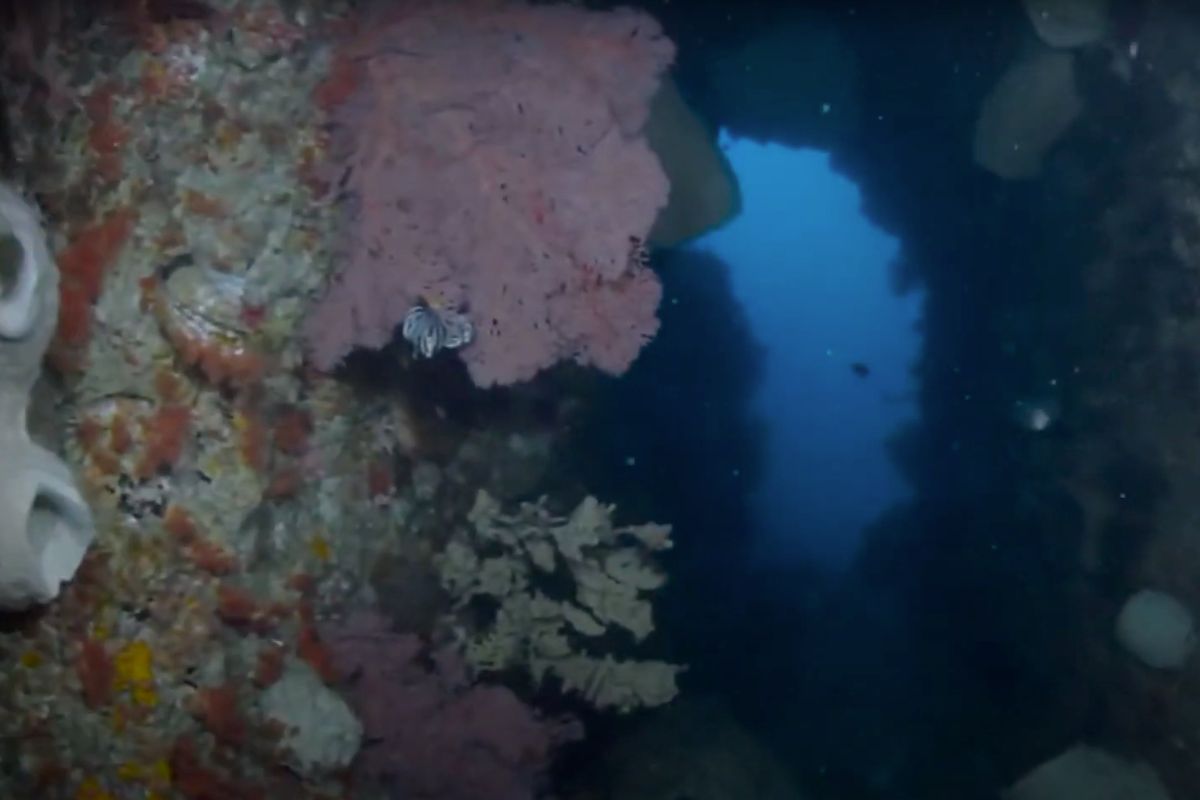
Characterized by deep walls, coral gardens, pinnacles, and WWII wrecks, with occasional muck sites near Ambon. Depths often exceed 40 m.
Currents can be moderate to strong, particularly at offshore pinnacles and walls. These nutrient-rich flows support abundant marine life, including pelagics and large schools of fish. Some sites require good control and comfort in drifts, but calmer options are available with careful planning.
Banda Island Map-01

 
Jakarta (CGK) - Ambon (AMQ)

 
Singapore (SIN) – Makassar (UPG) - Ambon (AMQ)

How to get to

Banda Sea

The Banda Sea lies far from Indonesia’s urban centers, but regular flights and adventurous sea crossings make it reachable for those chasing epic dive sites and historic spice islands.
Transportation Icon-08
By Plane
Fly into Ambon (AMQ), which is well-connected to Jakarta, Bali, and Makassar. From there, smaller regional flights or boats take you onward depending on your itinerary.
Transportation Icon-02
By Ferry
Pelni ferries run to the Banda Islands from Ambon. Though scenic, these are long voyages with infrequent schedules and weather-dependent operations.
Transportation Icon-03
By Liveaboard
Liveaboards are the most efficient way to explore the Banda Sea, especially in October–November and March–April, offering access to multiple remote islands.

Explore

Banda Sea

Liveaboards

Raja Ampat

Komodo National Park

The Forgotten Islands

Ambon Moluccas

Banda Sea

Wakatobi