Liveaboard  Destinations in Indonesia
Liveaboard Indonesia - Destinations

EXPLORE INDONESIA BY LIVEABOARD

14 regions, hand-picked boats — from Raja Ampat's reefs to Komodo's dragons and the Banda Sea's volcanic islands

Experience Indonesia by Liveaboard

Indonesia sits at the center of the Coral Triangle — the most biodiverse marine region on Earth. It’s also one of the few countries where a multi-day boat journey isn’t a luxury but a practical way to travel. Most of the best places are several hours from the nearest port, on islands too small for hotels and in waters too remote for day trips.

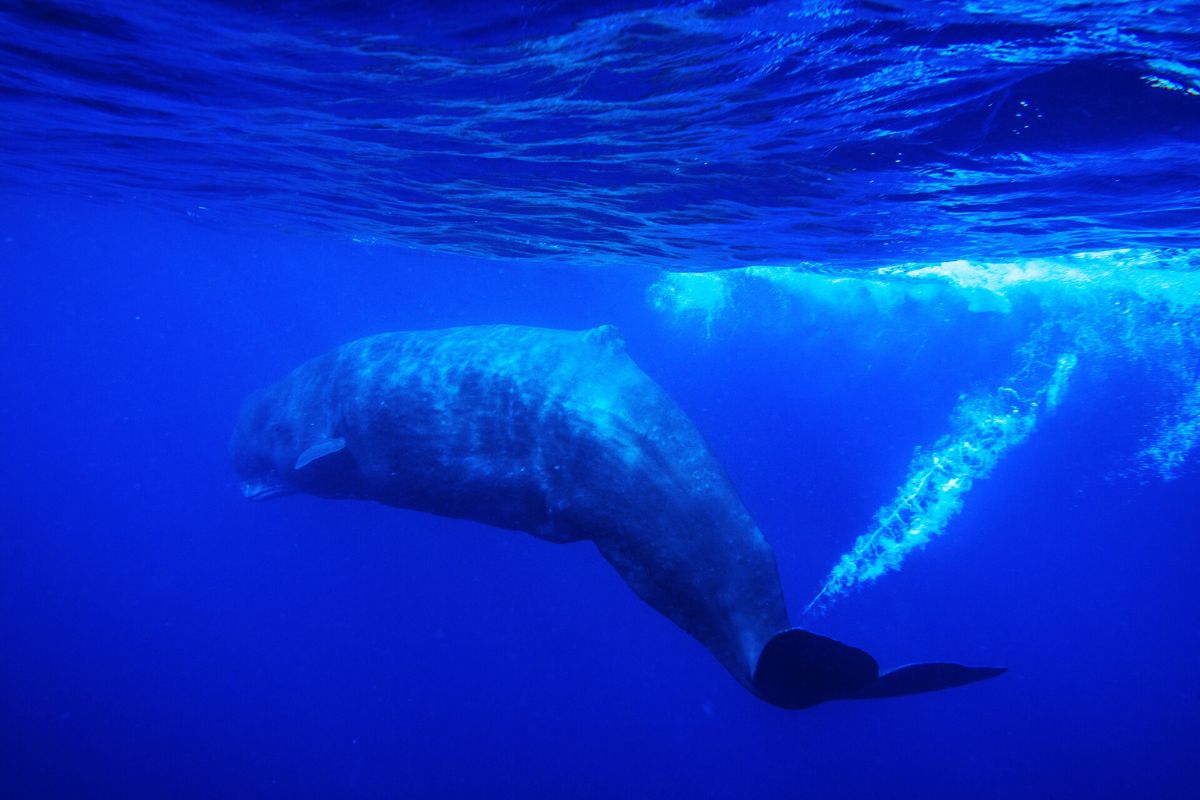
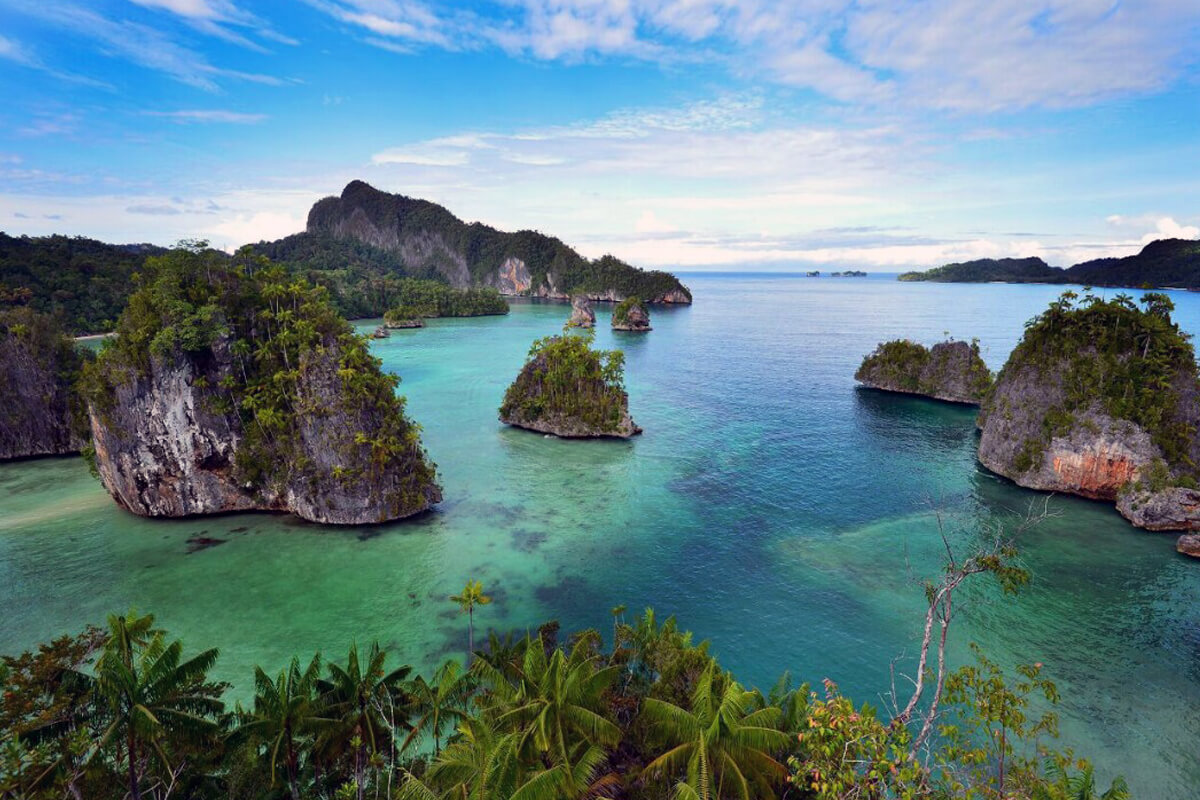
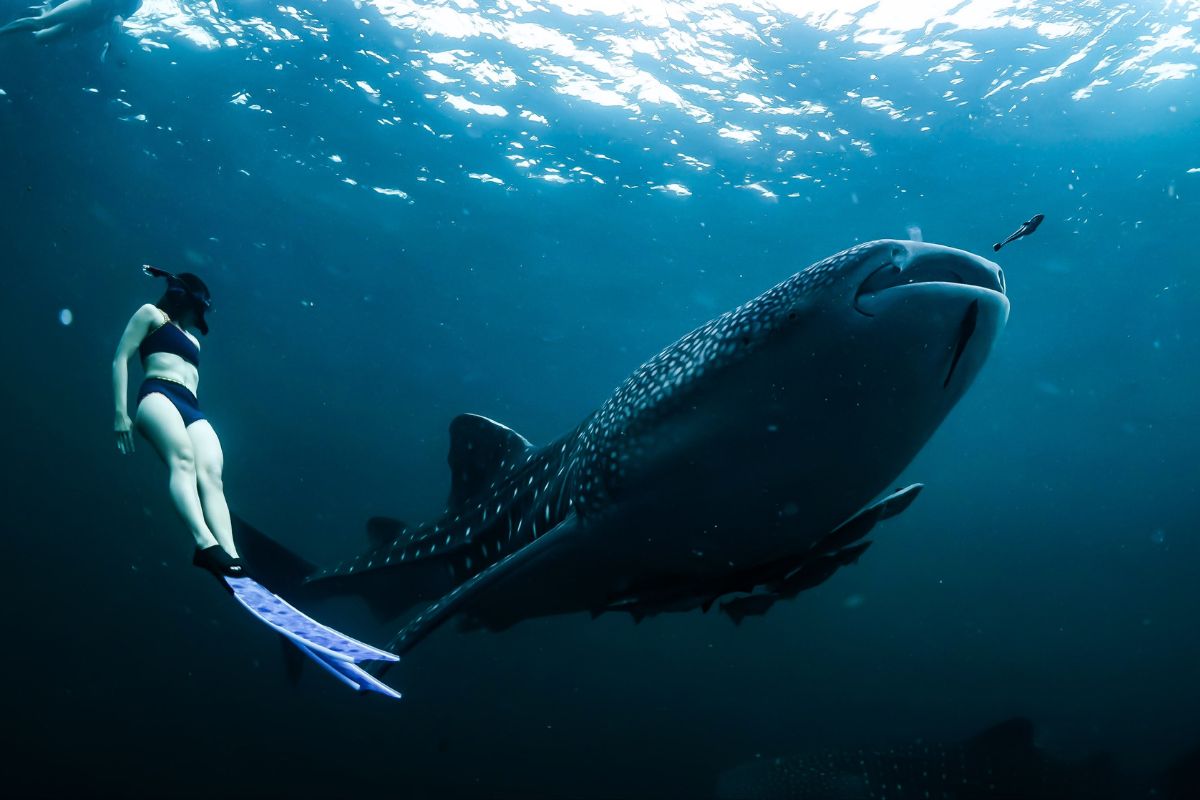
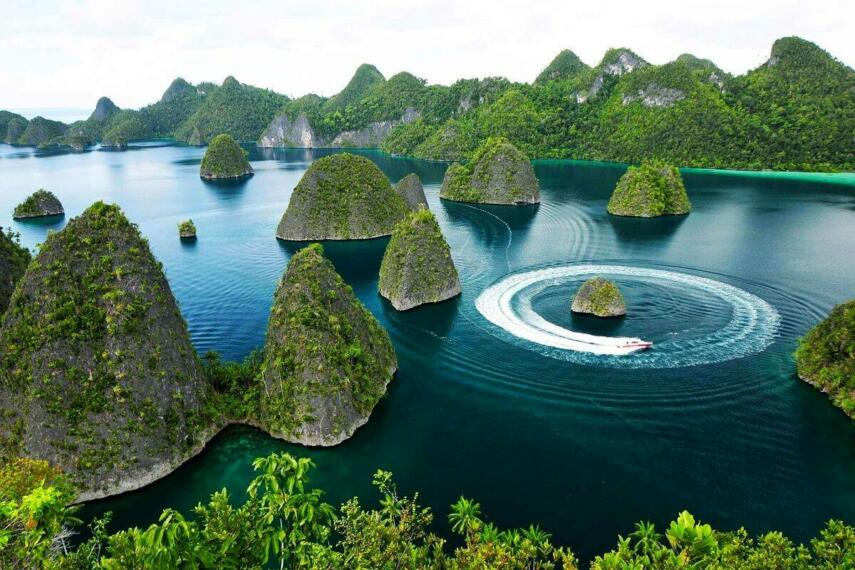
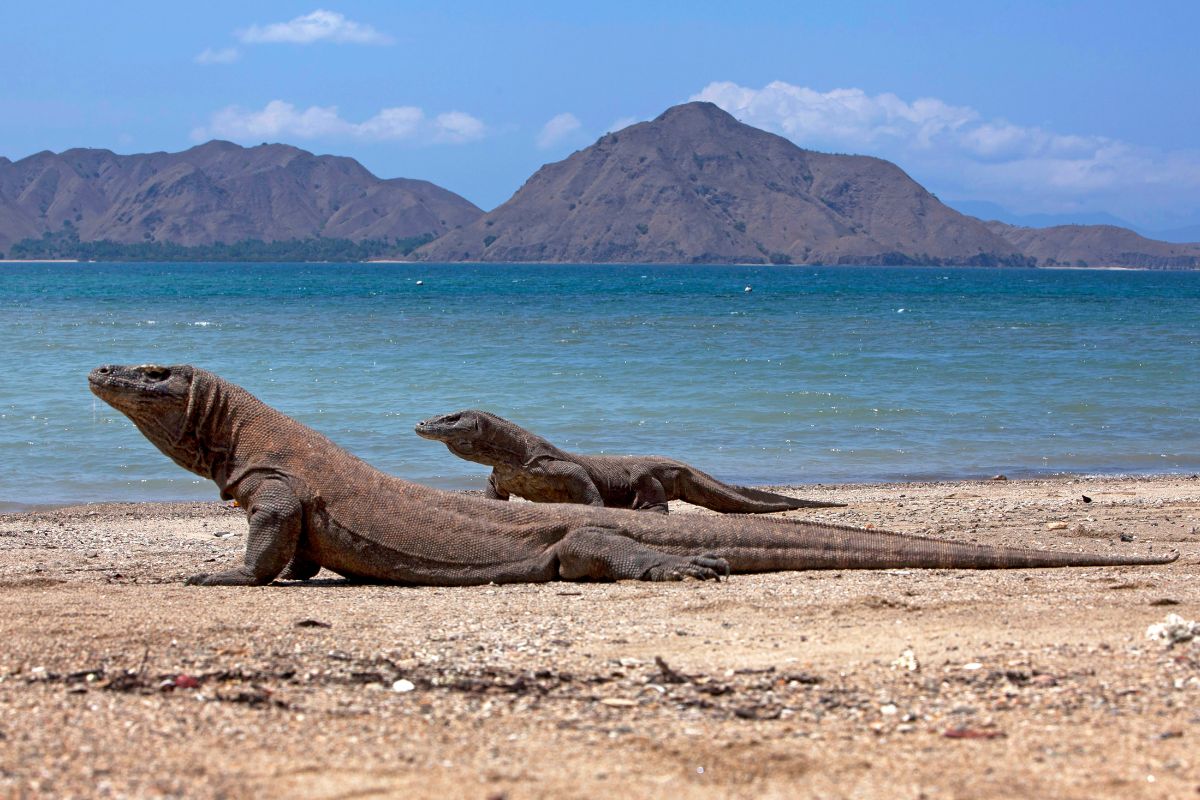
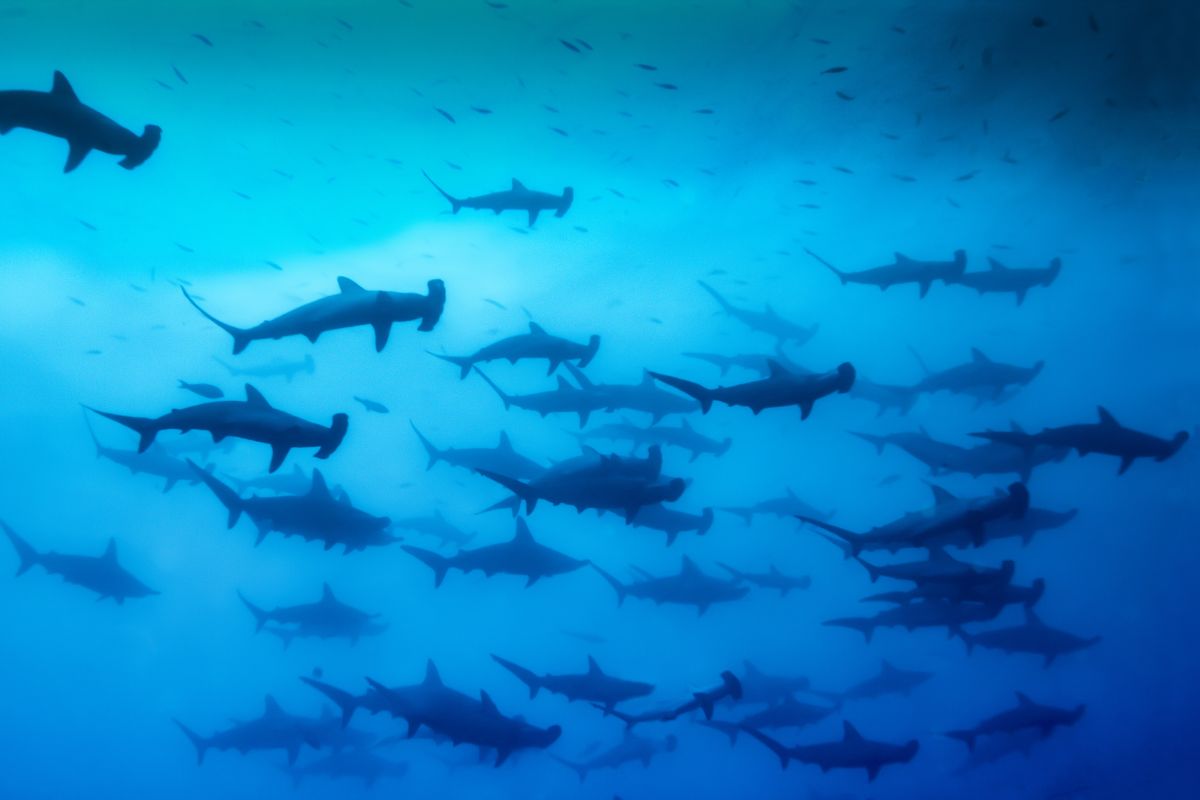
Each region has its own season, its own character, and its own kind of trip. Raja Ampat is famous for coral diversity and the limestone karst islets of Wayag. Komodo for currents, dragons, and the Padar viewpoint. The Banda Sea for hammerheads, volcanic walls, and the spice-trade history of Banda Neira. Cenderawasih Bay for whale sharks year-round.

Below, we’ve mapped the 14 regions where our 180+ partner boats sail. Tell us your dates and what you want to see — diving, snorkeling, photographing, or just being on the water — and we’ll suggest a region and a few boats that fit.

GETTING TO INDONESIA

Indonesia has 17 international airports. For most travelers, you’ll fly into either Bali (DPS) or Jakarta (CGK), then take a domestic flight to your liveaboard’s departure port. Raja Ampat trips depart from Sorong. Komodo trips from Labuan Bajo. Banda Sea routes often start in Ambon or Maumere.

Domestic carriers — Garuda Indonesia, Lion Air, Wings Air, Batik Air, Citilink, AirAsia and others — connect these routes daily. We help our guests plan flights so you arrive a day before departure (delays happen), and we can arrange airport pickup and transit hotels if you want one less thing to organize.

INDONESIA LIVEABOARD DIVING — FREQUENTLY ASKED QUESTIONS

Everything you need to plan a liveaboard trip in Indonesia — from choosing the right destination and the best time to visit, to what certification you need, how to reach the departure ports, and whether to book a private charter or join a shared trip.

Indonesia sits at the centre of the Coral Triangle — the most biodiverse marine region on Earth — and spans 17,000 islands across 5,000 kilometres. No other single country offers the combination of marine biodiversity, destination variety, and liveaboard infrastructure that Indonesia does. Raja Ampat contains 75% of all known coral species. Komodo is a UNESCO World Heritage Site where dragons and manta rays share the same day’s itinerary. The Banda Sea has schooling hammerheads and Spice Islands history. Cenderawasih Bay is the only place on Earth with a resident year-round whale shark population. Lembeh Strait is the universally acknowledged world capital of muck diving. The variety is the point — a single two-week trip can combine two or three completely different underwater worlds that would require separate international flights in any other country.

Komodo and Raja Ampat are the most popular first liveaboard destinations for different reasons. Komodo is accessible from Bali in a one-hour flight, runs in trips as short as 3 nights, offers exceptional non-diver activities (dragons, Padar viewpoint, pink beaches), and suits Open Water divers at the calmer sites. Raja Ampat requires more travel to reach Sorong but delivers the most complete marine biodiversity experience in the world across 7–11 night itineraries. For divers who want warm water, calm conditions, and reliable encounters without demanding currents, Wakatobi or Cenderawasih Bay are excellent introductory liveaboards. For guests focused on muck diving from day one, Ambon or North Sulawesi (Lembeh and Bunaken) are the natural starting points.

Certification requirements vary by destination and by the specific sites within it. Open Water certification is sufficient for the calmer sites at Komodo, the Gili Islands, Derawan, Wakatobi, Cenderawasih Bay’s whale shark encounters, and the Ambon Bay muck dives. Advanced Open Water is required by most operators for the stronger current sites in Raja Ampat, Banda Sea, Alor, Halmahera, and Belongas Bay’s hammerhead dives. The Banda Sea and Forgotten Islands typically require Advanced Open Water plus 50–100 logged dives for the most exposed sites. If your certification doesn’t match your destination of interest, many boats carry instructors who can complete your Advanced certification during the trip. Always confirm requirements with your specific operator before booking.

Indonesia doesn’t have a single best season — it depends on which destination you’re visiting. Raja Ampat and Cenderawasih Bay peak from October to April. Komodo and Sumbawa are best from April to November. The Banda Sea and Forgotten Islands have two windows: March to April and September to November. Lombok‘s hammerheads peak August to October. Wakatobi dives well March to December. Alor peaks April to November with hammerheads most reliable in October to November. The practical implication: Indonesia has something exceptional happening year-round, and the most experienced Indonesia travellers plan their trip around a specific encounter — whale sharks in Cenderawasih, hammerheads in the Banda Sea, mantas at Komodo — rather than a general “best time.”

Most international travelers fly into Bali (DPS) or Jakarta (CGK), both of which have extensive international connections. From there, domestic flights connect to the liveaboard departure ports — Sorong (SOQ) for Raja Ampat, Labuan Bajo (LBJ) for Komodo, Ambon (AMQ) for the Banda Sea, Manado (MDC) for North Sulawesi, Manokwari or Nabire for Cenderawasih Bay. Domestic carriers including Garuda Indonesia, Lion Air, Batik Air, Citilink, and Wings Air operate these routes. Most connections require an overnight in Bali or Jakarta. Arriving at your departure port one day before the liveaboard embarkation is strongly recommended — domestic flight delays in eastern Indonesia are common, and missing the boat is a costly mistake.

A shared trip means booking individual cabins on a scheduled departure alongside other guests — typically 8–16 people from around the world on a fixed itinerary at a set price per cabin. This is the most common and cost-effective way to do a liveaboard in Indonesia. A private charter means booking the entire vessel for your group — your family, dive club, or group of friends — with complete control over dates, route, pace, and ports. Private charters allow fully custom itineraries, including crossing trips that combine multiple destinations, and are proportionally better value the larger your group. Many of Indonesia’s most remote destinations — the Togian Islands, the deeper Forgotten Islands route, extended Banda Sea crossings — are primarily or exclusively available on private charters.

For peak season departures — Raja Ampat December to February, Komodo June to August, Banda Sea October to November — booking 6 to 12 months in advance is recommended, particularly for the most popular boats. Last-minute availability exists in the shoulder season and on less-known routes, but the best cabins on the best vessels fill early. For private charters, lead time depends on group size and flexibility — groups of 8 or more typically need 6+ months to secure the right vessel for their dates and route. If your trip has a fixed window (a dive club trip, a milestone occasion), book as early as possible regardless of season.

A crossing trip is a multi-destination liveaboard itinerary that starts in one port and ends in another, combining two or more dive regions in a single voyage. Common Indonesia crossings include: Bali to Komodo (7–14 nights via Lombok and Sumbawa), Raja Ampat to Triton Bay (10–14 nights from Sorong to Kaimana), Raja Ampat to Halmahera to Lembeh (12–14 nights), Banda Sea to Forgotten Islands (10–16 nights from Ambon to Saumlaki), and Banda Sea to Raja Ampat during the seasonal March–April and October–November windows. Crossing trips require flexible travel plans on both ends — you fly into one city and out of another. They represent the best way to experience Indonesia’s diversity and are particularly suited to experienced divers making a dedicated Indonesia trip.

The answer depends on your photographic focus. Wide-angle reef and coral photography: Raja Ampat, Bunaken, or Wakatobi. Wide-angle pelagics (sharks, mantas, whale sharks): Komodo, Banda Sea, or Cenderawasih Bay. Macro and muck: Lembeh Strait, Ambon Bay, or Alor’s Beang Abang. Volcanic and unusual environments: Sangeang Island (Sumbawa), Komba volcano (Banda Sea), or Mahangetan (Sulawesi). Portrait and rare species: Triton Bay or Halmahera for endemics. Most serious underwater photographers eventually visit multiple Indonesian destinations because no single location covers all styles. Lembeh and Ambon are consistently cited as the two finest macro destinations anywhere in the world.

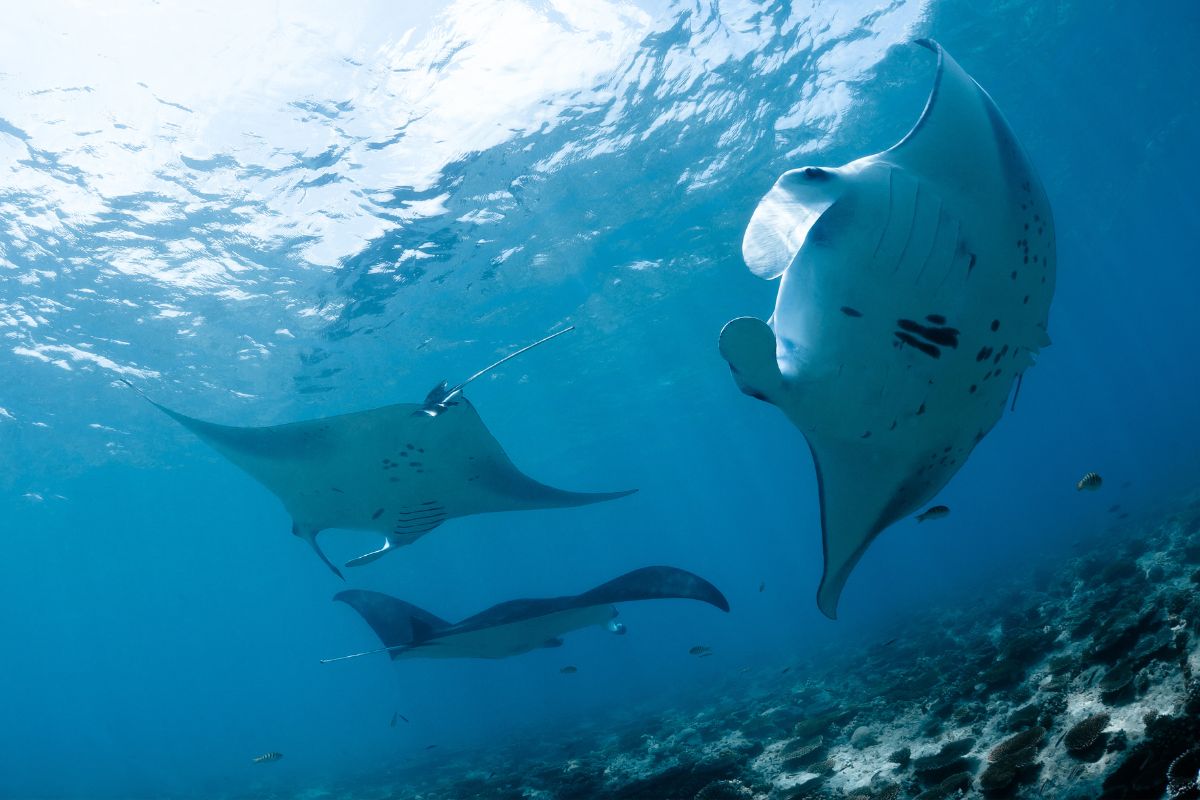
Several Indonesian liveaboard destinations are well suited to mixed groups of divers and non-divers. Komodo is the standout — dragon walks, Padar viewpoint, pink beaches, and manta ray snorkeling make it compelling for non-diving partners. Raja Ampat’s Wayag viewpoint, jellyfish lake, Arborek village, and Sawandarek jetty snorkeling provide a full non-diving itinerary. Cenderawasih Bay’s whale sharks are excellent from the surface. The Derawan Islands’ jellyfish lake and turtle beaches suit snorkelers. Wakatobi’s calm reefs and Bajo village visits work for non-divers. The destinations less suited to non-divers are the more remote expedition routes — Banda Sea, Forgotten Islands, Alor — where the open-water transits are long and the topside experiences are primarily landscape rather than structured activities.

Most Indonesia liveaboards provide tanks, weights, and weight belts. Rental equipment (BCD, regulator, wetsuit, mask, fins) is available on most boats but quality varies — experienced divers typically bring their own regulator and computer at minimum. A 3mm wetsuit suits most Indonesian destinations year-round. Pack a 5mm for Alor, Belongas Bay, the southern Banda Sea sites, and August to October Komodo — all involve cold upwellings. A reef hook is essential for Komodo, Alor, Lombok, and other strong-current destinations. Macro photographers should bring their own lens — rental macro lenses are rarely available on boats. A dive torch is useful for Lembeh, Ambon, and night dive destinations. Nitrox certification is worth having for any muck-heavy itinerary where long bottom times at shallow depths are standard.

Every boat listed on Liveaboard Indonesia is hand-picked and individually assessed — we don’t list vessels simply because operators request it. Our evaluation covers safety standards (dive equipment condition, emergency oxygen, boat maintenance), crew professionalism and guiding quality, accommodation standards relative to price point, guest reviews over time, and operator responsiveness. The 180+ boats on our platform represent a deliberately curated selection across all price points — from traditional phinisi with shared cabins to luxury dive yachts with private en-suite staterooms. If you’re not sure which vessel is right for your group’s size, budget, and experience level, contact us and we’ll suggest a shortlist based on your specific trip.

where to cruise

WHERE TO START

Destinations - Liveaboard Indonesia

Most Popular Boats

Our most-booked vessels across Komodo, Raja Ampat, and the Banda Sea — consistent reviews, experienced crews, and itineraries that cover the classic Indonesia experience.

Destinations - Liveaboard Indonesia

Private Charter

Book the whole boat for your group. Custom dates, custom route, full flexibility across regions. Suitable for families, dive clubs, or any group of 6 to 16.

Destinations - Liveaboard Indonesia

Shared Trips

Join a scheduled departure. Individual cabin booking, fixed itinerary, mixed international group — the most cost-effective way to sail Indonesia.