
The Forgotten Islands

A 1,000 km arc from Timor to West Papua — schooling hammerheads, volcanic walls, and reefs few have seen

The Signature Trio of The Forgotten Islands

The Forgotten Islands — also called the Southeast Moluccas — stretch over 1,000 km from Timor to West Papua. The chain divides into two arcs: the Inner Banda Arc of volcanic islands (Wetar, Romang, Nila), and the Outer Banda Arc of uplifted limestone (Leti, Luang, Tanimbar, Kei). Both are reachable only by boat.

Trips are long — typically 12 to 16 nights — and usually run between Maumere (Flores), Kalabahi (Alor), Tual (Kei Islands), or Saumlaki (Tanimbar). The diving suits experienced guests, with strong currents and open-water sites. For everyone on board, the reward is some of the most untouched islands left in Indonesia — and the most reliable schooling hammerhead encounters outside Galapagos.

Maumere
Maumere

Western gateway on Flores. Most trips depart from here, heading east. Maumere itself offers WWII wrecks like Wairterang, plus rich coral gardens and macro life — a good shakedown day before crossing into open water.

Alor
Alor

A mid-route stop on most itineraries. Alor's Kalabahi harbor splits trips that combine Forgotten Islands with the Banda Sea. Known for high-current reefs, hammerheads at Kal's Dream, and clownfish-packed anemone fields at Clown Valley.

Tual
Tual

Eastern gateway in the Kei Islands. The end (or start) point for many Forgotten Islands liveaboards. Surrounded by powdery white-sand beaches, healthy reefs at Dullah Laut for oceanic mantas, and access to the eastern Banda Sea.

Main Access Point

Maumere (Flores) or Saumlaki (Tanimbar)

BEST SEASON TO VISIT

October–November & April–May (inter-monsoon)

What to See

Schooling hammerheads, oceanic mantas, bumphead parrotfish, untouched reefs

Why Visit

The Forgotten Islands

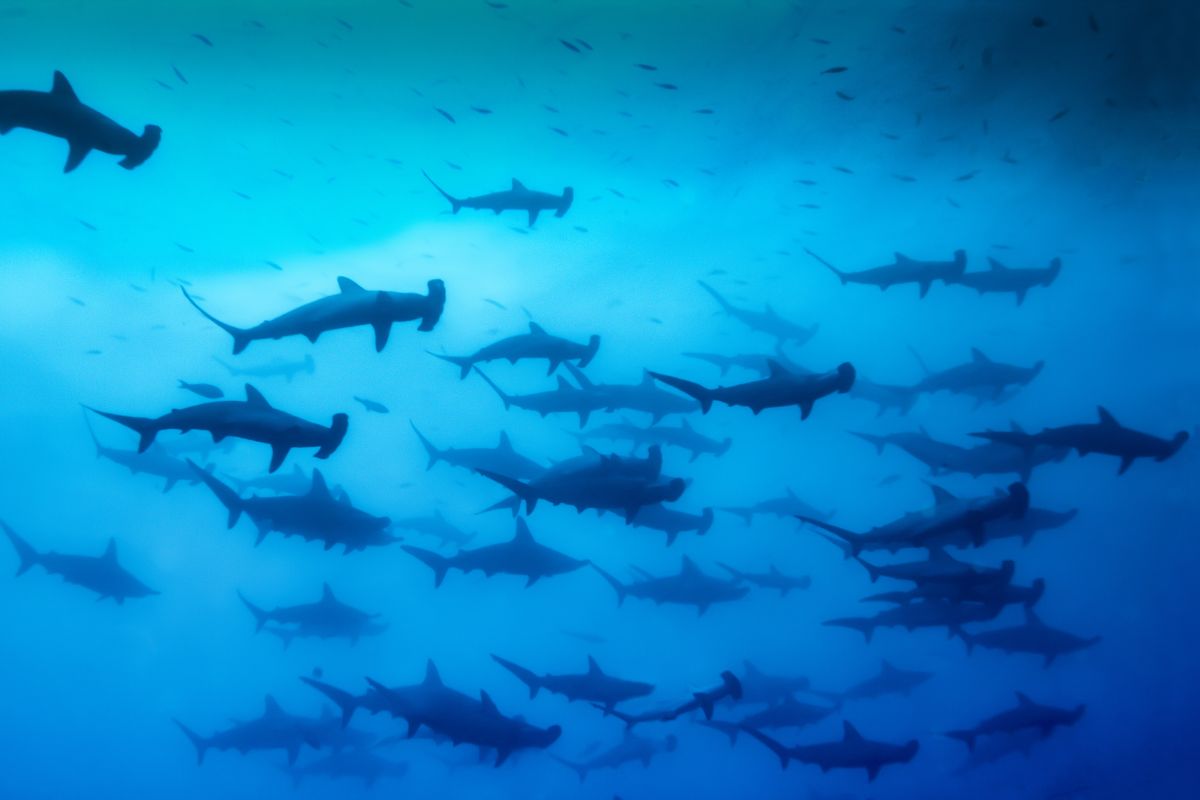
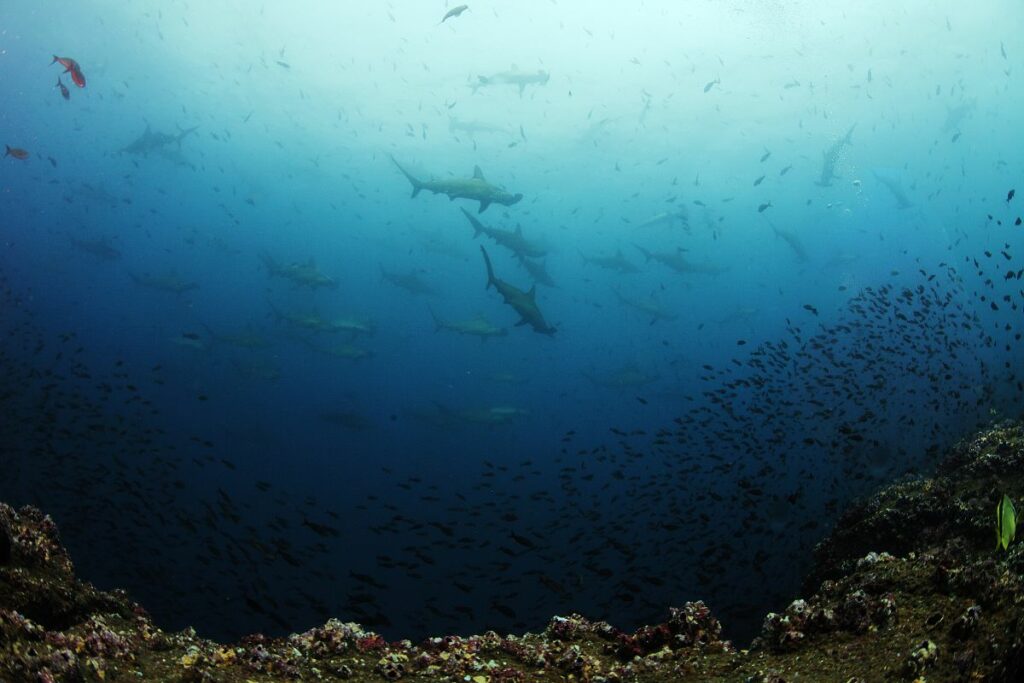
This is the destination for travelers willing to commit to the trip. Twelve to sixteen nights, mostly open water, no internet for most of the route, and stretches where you may not see another boat for days. The schooling scalloped hammerhead encounters at Serua, Nila, and Nils Desperandum are among the most reliable in the world — October-November and April-May, when the inter-monsoon windows bring calm seas and the sharks come in numbers.

The above-water experience matches the below. Volcanic peaks rise from the sea — Damar’s 868m summit, Wetar’s rugged interior, Nila’s smoking craters. Some itineraries pass Komba volcano, which erupts every 20–30 minutes, especially dramatic at night. Gunung Api hosts an enormous frigate bird colony. Tiny villages on the Inner Banda Arc see only a handful of outside visitors a year. The Kei Islands at the eastern end have some of Indonesia’s most pristine white-sand beaches, accessible by tender between dives.

Forgotten Islands trips work especially well as private charters. The length, routing flexibility, and remote character suit groups of friends, dive clubs, families with at least some experienced diver members, and serious underwater photographers. Most boats can tailor the itinerary to combine diving, snorkeling at calmer sites, and time ashore.

Diving & Activities in

The Forgotten Islands

Serua Island (hammerheads)

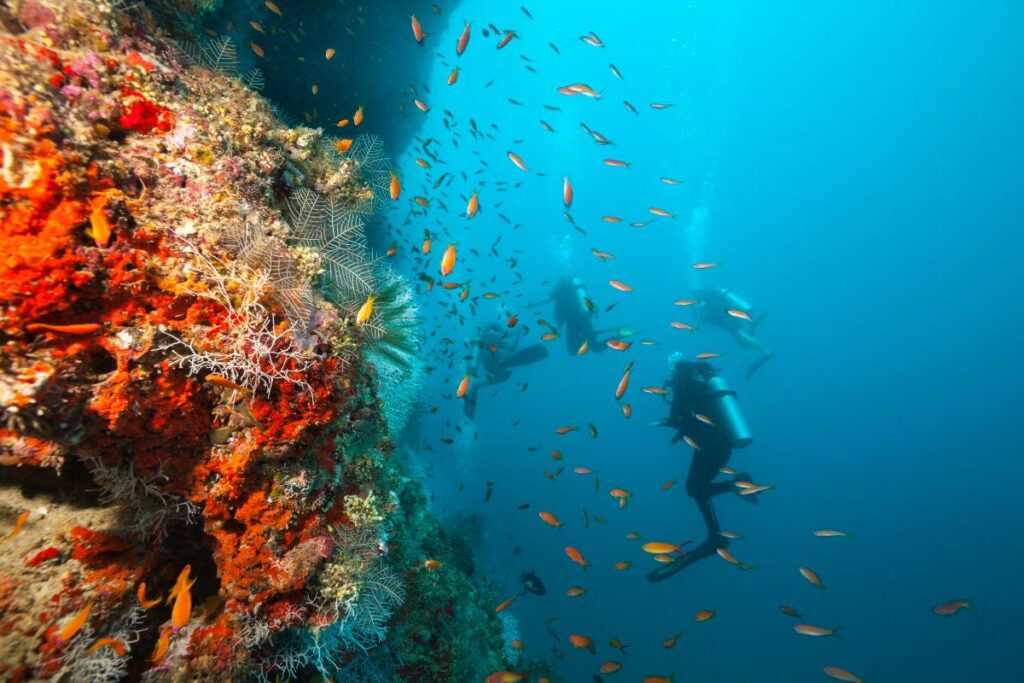
These remote islands feature steep drop-offs and strong currents with hammerhead sharks, barracuda, snappers, and groupers. Serua is renowned for schooling hammerheads.

pulau nila
Pulau Nila

Volcanic island with uncharted walls plunging into deep water. Visibility regularly exceeds 30 meters. Some of these reefs may have been dived only a handful of times.

xr:d:DAFzuU4uaAc:1591,j:7504531854596418251,t:23111214
Nils Desperandum

A hotspot for hammerhead sharks. Other sightings include silky sharks, pygmy seahorses, and pelagics like tuna and trevallies.

xr:d:DAFzuU4uaAc:1575,j:5242598942423747749,t:23111214
Wetar Island

Rarely visited and home to healthy reefs, manta rays, reef sharks, hawksbill turtles, and vibrant coral slopes.

manawoka
Manawoka

One of the standout pelagic sites in the Forgotten Islands. Some of the largest schools of barracuda in the region, plus manta rays, giant groupers, and occasional hammerheads. Strong currents draw blacktip reef sharks.

dullah laut
Dullah Laut (Kei Islands)

A reliable oceanic manta site at the eastern end of the Forgotten Islands. Often paired with Kei Islands reefs where bumphead parrotfish aggregate at dawn.

Gunung Api : Komba snakes
Gunung Api / Komba

Many itineraries pass this active volcano (often combined with Banda Sea routing). Snake encounters in the shallows are a unique draw — banded sea kraits gather here in unusual numbers. Above-water lava bursts at night.

Kal’s Dream (Alor) hammerhead trevally
Kal’s Dream (Alor)

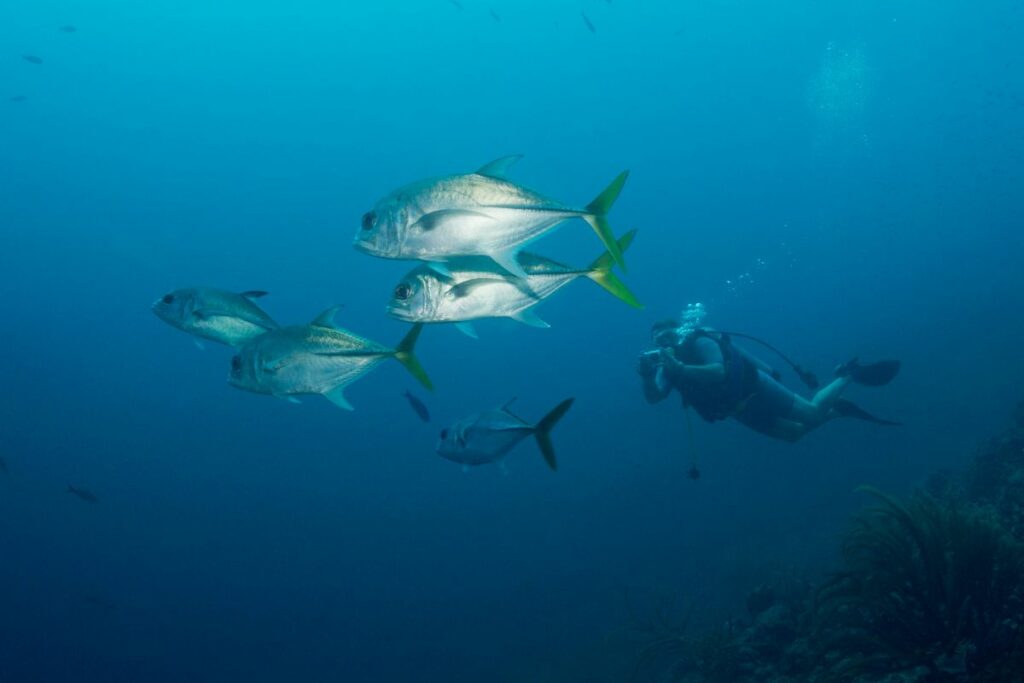
A current-swept site with schooling barracuda, trevally, and hammerhead sharks in season.

Clown Valley (Alor) anemone and clownfishes
Clown Valley (Alor)

A dense field of anemones and hundreds of clownfish create a surreal dive perfect for photography.

Wairterang Wreck (Maumere) reef fish
Wairterang Wreck (Maumere)

A coral-covered WWII Japanese shipwreck teeming with ghost pipefish, lionfish, and reef fish.

hammerheadsharks-3
Hammerhead Sharks

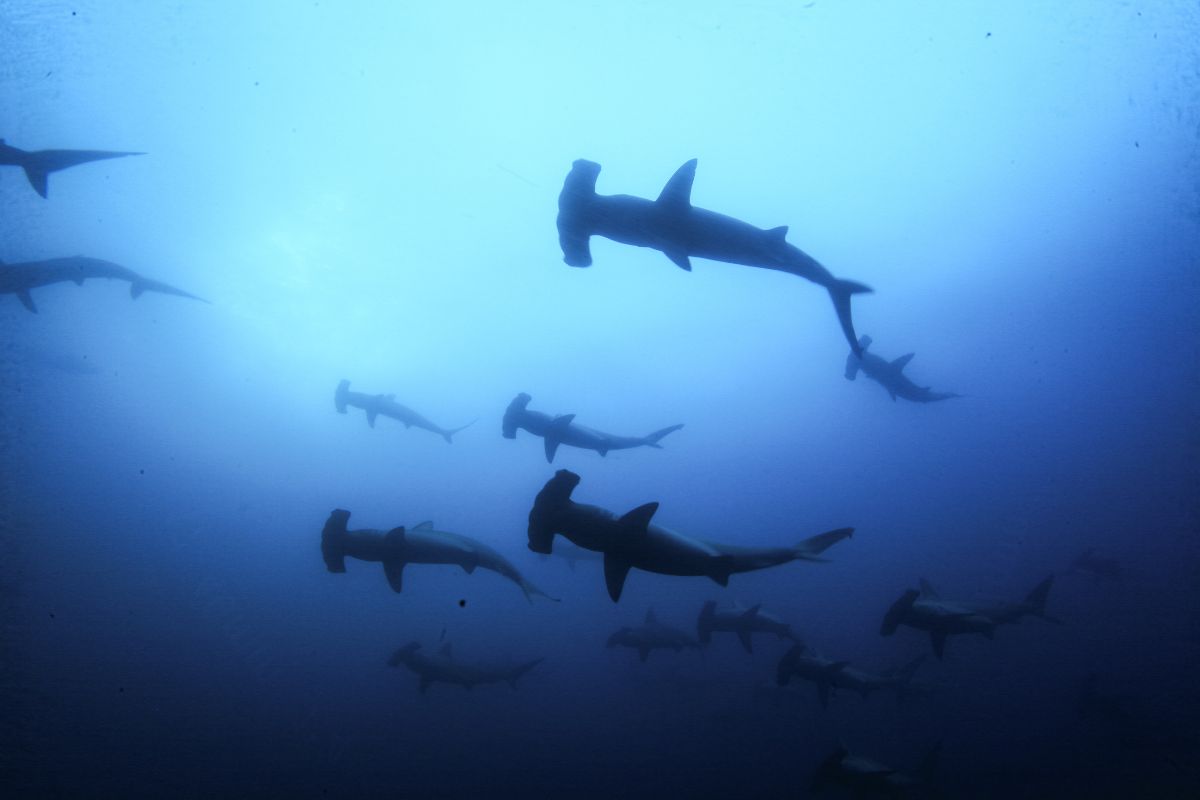
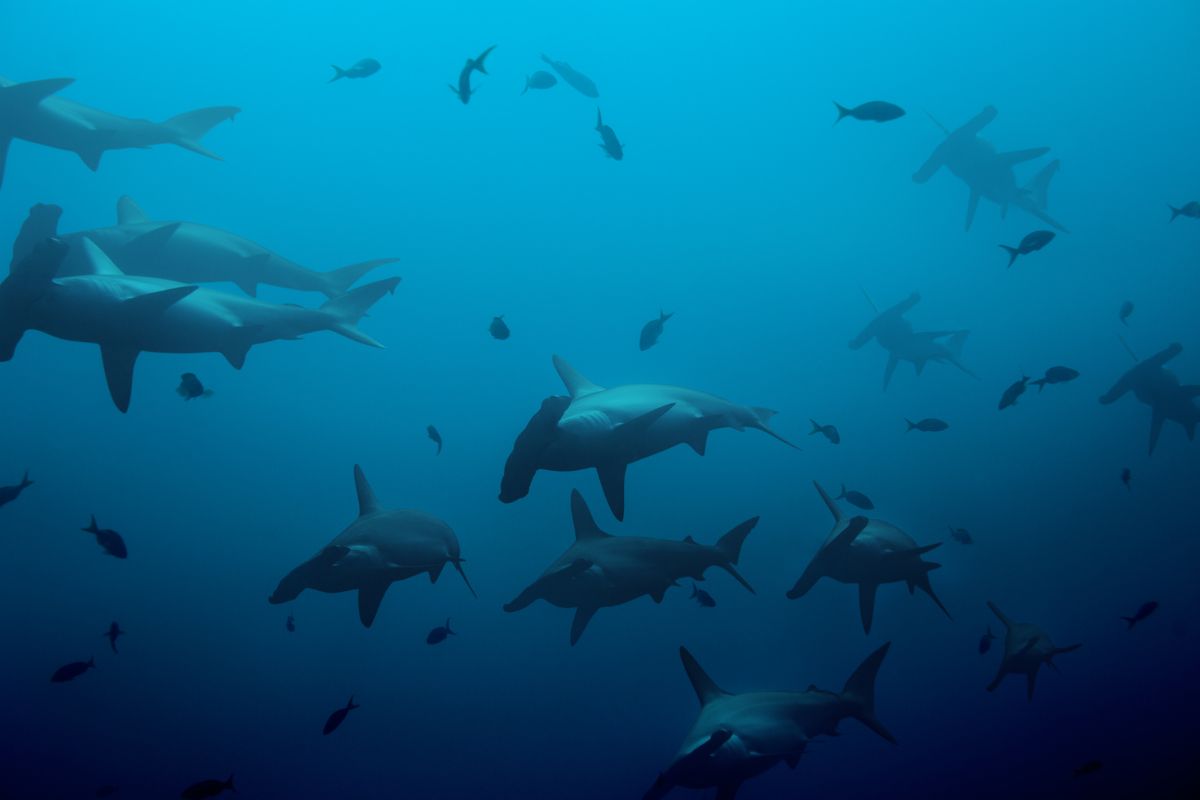
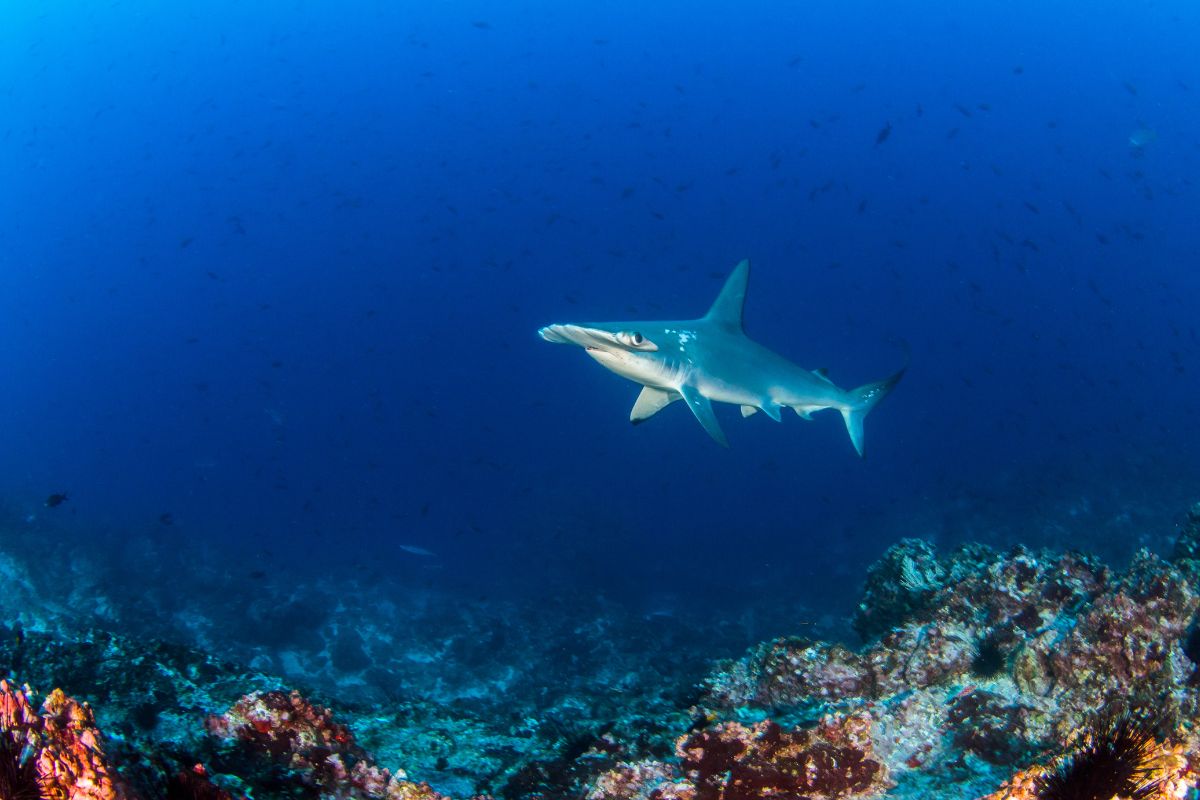
Best seen in Serua, Nila, and at Nils Desperandum, especially October to November and April to May during inter-monsoon windows. Schools of 20+ hammerheads not uncommon. One of the most reliable hammerhead encounters in Indonesia.

Reef. Shark
Reef Sharks

Common apex predators in healthy coral ecosystems. Species like blacktip, whitetip, and grey reef sharks help maintain reef balance by preying on weaker fish.

Macro Critters ghost pipefish
Macro Critters

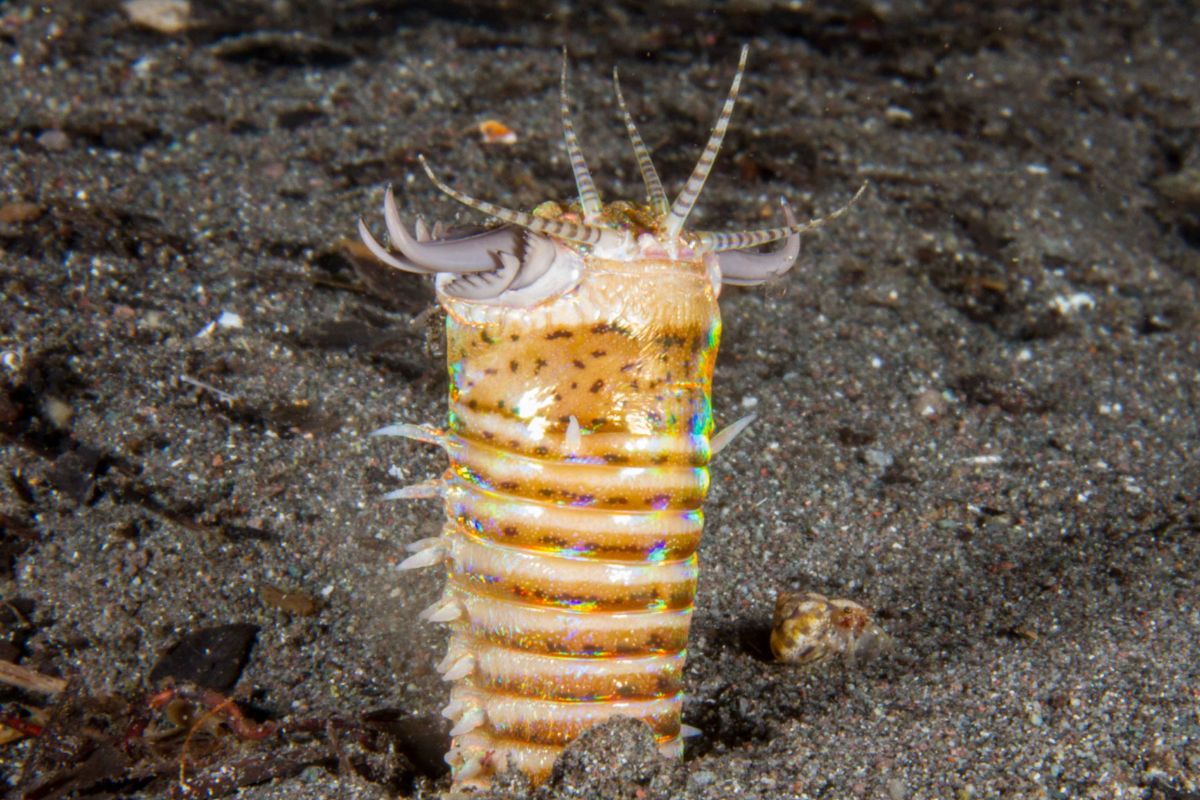
Ghost pipefish, frogfish, blue-ringed octopus, rhinopias, and pygmy seahorses in muck and reef environments. The Forgotten Islands' isolation means many sites are rich with rarely-seen species.

Barracuda tornadoes
Pelagic

Barracuda tornadoes at Manawoka, big-eye and giant trevally schools, dogtooth tuna, Spanish mackerel, and occasional oceanic mantas. Whale sharks pass through during plankton blooms.

xr:d:DAFzuU4uaAc:373,j:4803497842410424847,t:23111106
Whales & Dolphins

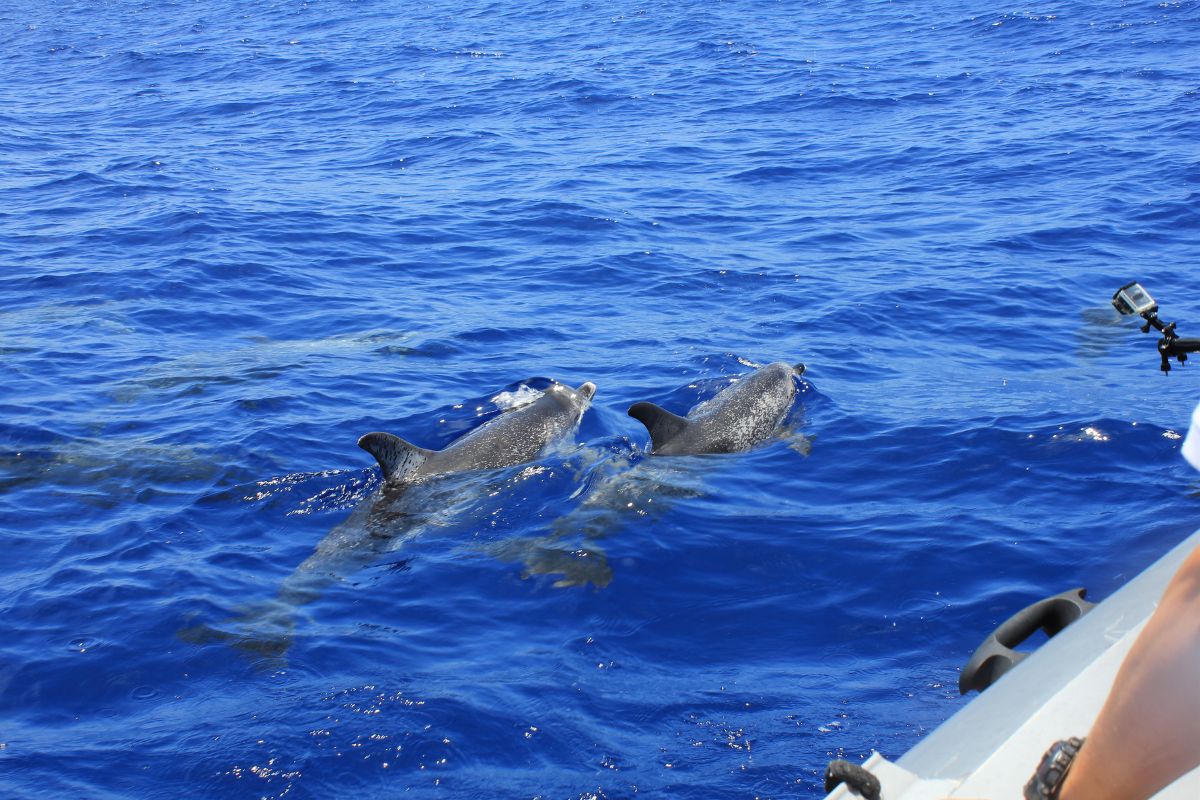
Migratory species including pilot whales, dolphins, and orcas pass through the Banda Sea corridor.

bumphead parrotfish
Bumphead Parrotfish

Large dawn-feeding aggregations, particularly at Dullah Laut and Kei Islands. These prehistoric-looking fish can grow over 1 meter and gather in schools of 50+.

oceanic manta
Oceanic Mantas

Reliable encounters at Dullah Laut in the Kei Islands. Larger than reef mantas, with wingspans up to 7 meters. Best during plankton-rich periods.

Water Temperature
The water temperature in the Forgotten Islands ranges from 26°C to 29°C throughout the year, with occasional thermoclines dropping to 24°C during June to September in southern area
Topography
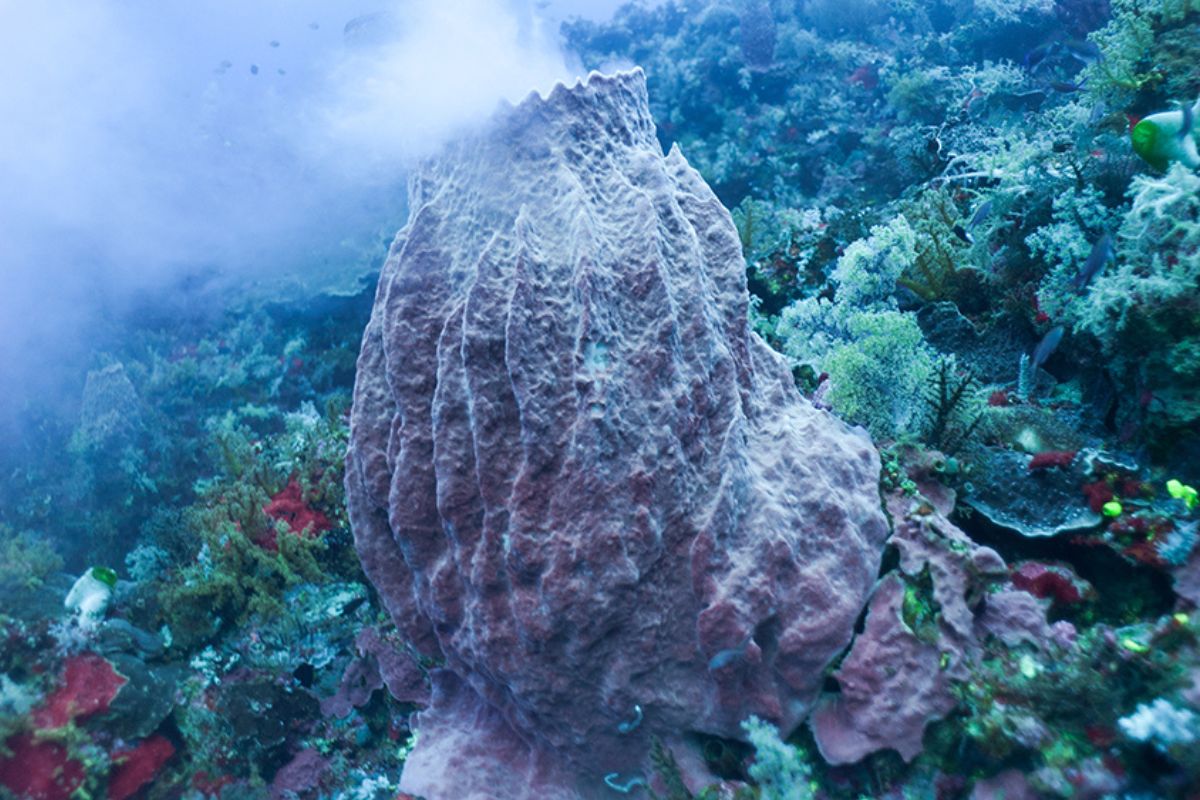
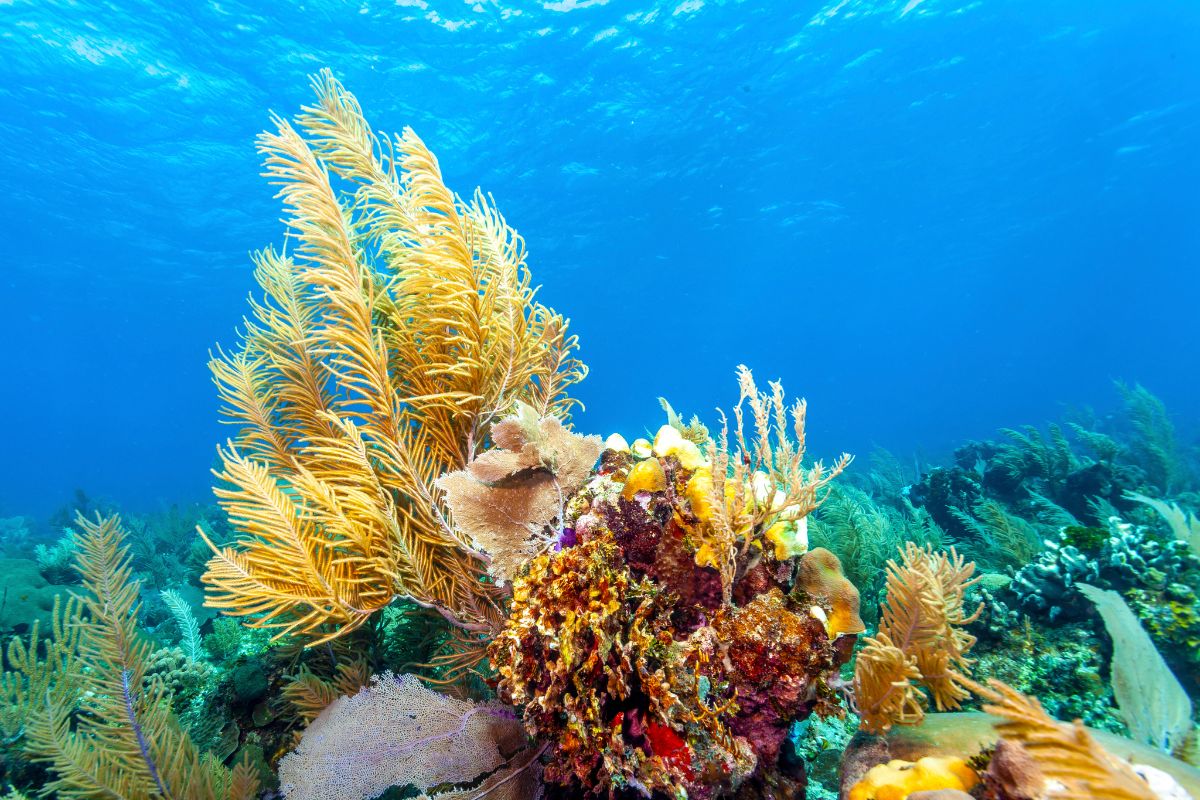
Steep coral walls, slopes, pinnacles, and sandy bottoms dominate the remote terrain, with depths from 5 m to over 40 m.
Current
Expect strong and changeable currents, especially around deep channels and seamounts. These conditions bring big fish and action-packed drift dives, but are best suited for confident and experienced divers. Dive planning is key, and local guides will time entries for the safest and most exciting experience.
Volcanic-Landscape-new
Volcanic Landscapes (Inner Banda Arc)

The Inner Banda islands — Wetar, Romang, Damar, Nila — feature active and dormant volcanoes rising from the sea. Some itineraries include short hikes when conditions allow. Damar's peak reaches 868 meters.

komba volcano
Komba Volcano (when combined with Banda Sea)

Many Forgotten Islands itineraries include passage past Komba, an active volcano that erupts every 20–30 minutes. From the deck of a liveaboard, divers and non-divers can watch lava bursts and ash clouds — especially dramatic at night.

gunung api frigate birds
Gunung Api Frigate Birds

This small uninhabited volcanic island is home to a massive population of frigate birds. Dawn and dusk fly-pasts are a highlight for birdwatchers and photographers.

Traditional Villages drying fish in banda village
Traditional Villages

Some itineraries include shore visits to tiny villages on the Inner Banda Arc — communities that see only a handful of visitors per year. Local markets, traditional fishing techniques, and culture rarely seen elsewhere.

kei island
Kei Islands' White-Sand Beaches

The eastern Kei Islands have some of Indonesia's finest white-sand beaches — powdery, deserted, and accessible by tender between dives.

volcanic peak rising
Volcanic peaks rising from the sea

Damar's 868m summit, Wetar's rugged interior, Nila's smoking craters. Frigate birds on uninhabited Gunung Api. Banded sea kraits in unusual numbers around volcanic islands. Sea eagles, fishing villages with traditional weaving, and untouched landscapes.

Getting There

The Forgotten Islands stretch over 1,000 km from Timor to West Papua across the Southeast Moluccas. Reaching the embarkation port takes some planning — but the liveaboard handles everything once you arrive.
Forgotten Island Map-01

 
Makasar (UPG) - Maumere (MOF)

 
Kupang (KOE) - Maumere (MOF)

 
Labuan Bajo (LBJ) - Maumere (MOF)

 
Ambon (AMQ) - Saumlaki (SXK)

 
Ambon (AMQ) - Tual (LUV)
Transportation Icon-08
By Plane

The three main embarkation ports are Maumere (MOF) on Flores, Tual (LUV) in the Kei Islands, and Saumlaki (SXK) on Tanimbar. All can be reached via connecting flights from Jakarta or Bali. Wings Air (Lion Air Group) and Citilink operate most of the regional connections — your boat operator will meet you at the airport.

Transportation Icon-03
By Liveaboard

Trips run during April-May and October-November, the inter-monsoon windows when seas are calmest. Itineraries cross the Banda Sea between Maumere, Alor, Tual, and Saumlaki, reaching reefs few travelers ever see. Most trips run 12 to 16 nights.

Explore

The Forgotten Islands

Liveaboards

Gaia Love

Katharina

Mermaid I

Mari

Amandira

Pindito

Emperor Raja Laut

Tiare Cruise

Nawasena Liveaboard

The Seven Seas

Fenides

Jaya

Duyung Baru

Coralia

Magia II

Ambai

Sea Safari VI

Amira

Lady Denok

Seamore Papua

El Aleph

Sequoia

Jakaré

Aliikai Voyage

Mischief

Adelaar

Nusa Kembara

FORGOTTEN ISLANDS LIVEABOARD — FREQUENTLY ASKED QUESTIONS

Everything you need to plan a Forgotten Islands liveaboard expedition — from schooling hammerheads and remote volcanic reefs, to how to reach Maumere or Saumlaki and what experience level you need.

The Forgotten Islands — also known as the Southeast Moluccas — are a chain of volcanic and limestone islands stretching over 1,000 km from Timor to West Papua across the southern Maluku province. They earned their name because they sit between better-known destinations like Komodo and Raja Ampat, rarely appearing on mainstream travel itineraries despite containing some of Indonesia’s most pristine and least-dived reefs. The chain divides into two arcs: the Inner Banda Arc of active volcanic islands (Wetar, Romang, Nila, Damar) and the Outer Banda Arc of uplifted limestone islands (Leti, Luang, Tanimbar, Kei). Both arcs are reachable only by liveaboard — there is no resort infrastructure along the route.

The Forgotten Islands have two operating windows, both aligned with the inter-monsoon calm periods: April to May and October to November. These windows bring the calmest seas for the open-water crossings and coincide with the schooling hammerhead migrations at Serua, Nila, and Nils Desperandum. October to November is generally considered the more reliable window for large hammerhead schools and pelagic encounters. Outside these windows, rough conditions in the Banda Sea make the open-water transits between islands too uncomfortable and sometimes dangerous for standard liveaboard trips. Most boats run only one or two Forgotten Islands departures per year — availability is limited and fills well in advance.

The three main embarkation and disembarkation ports are Maumere (MOF) on Flores, Tual (LUV) in the Kei Islands, and Saumlaki (SXK) on Tanimbar island. All are reachable via connecting domestic flights from Jakarta or Bali through Makassar or Ambon — Wings Air (Lion Air Group) and Citilink operate most regional connections. Most trips run point-to-point, starting in one port and ending in another, so you need flexibility on both ends of your travel schedule. Your boat operator will confirm the embarkation and disembarkation ports and coordinate the airport transfer. Arriving the day before departure is essential given the multi-leg domestic connections involved.

The Forgotten Islands is one of Indonesia’s most demanding liveaboard destinations and is not suitable for newly certified divers. Most operators require a minimum of PADI Advanced Open Water certification plus 50–100 logged dives, with drift diving experience considered essential. The signature hammerhead sites at Serua and Nils Desperandum involve strong open-water currents, significant depths, and limited bail-out options. Some sites along the route — particularly around Nila and Wetar — may have been dived only a handful of times, meaning conditions are less predictable than at established sites. Comfortable buoyancy control, current reading ability, and experience diving in remote locations without nearby emergency services are all important before committing to this trip.

The Forgotten Islands deliver the full spectrum from large pelagics to dense macro. The headline encounters are schooling scalloped hammerheads at Serua, Nila, and Nils Desperandum — schools of 20 or more animals during peak season are not uncommon, making this one of the most reliable hammerhead destinations in the world outside the Galápagos. Oceanic mantas aggregate at Dullah Laut in the Kei Islands. Barracuda tornadoes at Manawoka are among the largest school formations in Indonesia. Bumphead parrotfish gather at dawn feeding aggregations in the Kei Islands. Reef sharks (blacktip, whitetip, grey), dogtooth tuna, giant trevally, and occasional whale sharks round out the pelagic picture. Macro life at Maumere includes ghost pipefish, frogfish, rhinopias, and blue-ringed octopus. Pilot whales, spinner dolphins, and orcas pass through the Banda Sea corridor seasonally.

Serua Island is the most celebrated hammerhead site on the route, with steep drop-offs and strong currents that concentrate sharks during peak season. Nils Desperandum is the remote southern seamount shared with the Banda Sea route — equally reliable for hammerheads and more remote still. Pulau Nila offers uncharted volcanic walls with visibility regularly exceeding 30 metres — some of these reefs have been dived only a handful of times. Manawoka delivers massive barracuda schools and frequent manta encounters. Dullah Laut in the Kei Islands is the most reliable oceanic manta site on the route. Kal’s Dream in Alor offers current-swept action with hammerheads in season. The Wairterang WWII wreck near Maumere makes an ideal first-day check-out dive.

The two destinations overlap in the southern Banda Sea — both include Nils Desperandum, Manuk, and Serua — but diverge significantly in character and logistics. The Banda Sea focuses on the historic Spice Islands, with cultural shore visits to Fort Belgica and nutmeg farms on Banda Neira as a central part of the experience. The Forgotten Islands push further east into the Southeast Moluccas, reaching the Kei Islands, Tanimbar, and Wetar — regions with almost no tourist infrastructure and even fewer visiting liveaboards. Trip lengths also differ: Banda Sea trips run 7–12 nights; Forgotten Islands trips typically run 12–16 nights. Many experienced divers choose to combine both on a single crossing itinerary of 14–18 nights.

Non-divers can join but should understand this is primarily a diving expedition. The remote character of the route means topside experiences are genuine rather than curated — volcanic peaks rising from the sea, traditional fishing villages that see almost no outside visitors, the Kei Islands’ extraordinary white-sand beaches, active volcanoes visible from the deck at night, and frigate bird colonies on uninhabited islands. Snorkeling at calmer sites along the route is possible, and some itineraries include shore visits to villages on the Inner Banda Arc. The long open-water transits between island groups mean there are stretches of a day or more at sea — non-divers should be comfortable with ocean passage and find the journey itself rewarding.

Most Forgotten Islands trips run 12 to 16 nights, reflecting the distances involved. A 12-night itinerary typically covers Maumere to Tual or Saumlaki, including Serua, Nila, and the Kei Islands but moving at pace. A 14 to 16-night trip allows more time at the best sites and the flexibility to wait for optimal tide conditions at the hammerhead seamounts — important given the distance traveled to reach them. Crossing trips that combine the Forgotten Islands with the Banda Sea extend to 16–18 nights. For a shorter western gateway option, Alor alone runs 7–10 nights from Maumere and covers the hammerhead and macro highlights without the full arc. The Forgotten Islands trip is not a destination for travellers who cannot commit to the time — the remoteness that makes it exceptional also means a shorter trip cannot cover the full arc.

Dullah Laut is a dive site in the Kei Islands at the eastern end of the Forgotten Islands route, known as one of the most reliable oceanic manta aggregation sites in Indonesia. Oceanic mantas are significantly larger than the reef mantas more commonly encountered elsewhere — wingspans of up to 7 metres are recorded. They aggregate at Dullah Laut during plankton-rich periods, particularly in the October–November and April–May windows that coincide with most Forgotten Islands itineraries. The Kei Islands reefs surrounding the site also host bumphead parrotfish feeding aggregations at dawn — one of the more dramatic reef fish spectacles in eastern Indonesia.

Above water, the Forgotten Islands route is as compelling as the diving. The Inner Banda Arc volcanoes — Damar’s 868-metre summit, Nila’s smoking craters, Wetar’s rugged interior — rise dramatically from flat sea. Komba volcano erupts every 20–30 minutes during active phases, with lava bursts clearly visible from the boat deck at night. Gunung Api hosts one of the largest frigate bird colonies in eastern Indonesia — dawn fly-pasts are extraordinary from the water. The Kei Islands at the eastern end have some of Indonesia’s finest white-sand beaches, accessible by tender between dives. Shore visits to tiny villages on the Inner Banda Arc offer rare glimpses of communities largely untouched by tourism, with traditional fishing practices and weaving techniques unchanged for generations.

Water temperature along the Forgotten Islands route ranges from 26–29°C year-round, with thermoclines dropping to 24°C or lower at depth during the inter-monsoon windows when cold upwellings are strongest — the same upwellings that drive the hammerhead aggregations. A 5mm wetsuit is recommended for the deeper drift dives at Serua and Nils Desperandum. A 3mm is adequate at shallower sites and calmer reef dives. Pack both. Beyond thermal protection, reef hooks are useful for the current-swept hammerhead sites, and a dive computer with a reliable gas integration is standard for this level of remote expedition diving. Spare parts for any critical equipment should be brought from home — there are no dive shops along the route.

Explore other destinations