Komodo National Park

Where dragons roam and mantas glide through powerful currents and vibrant coral channels

Experience the wonders of Komodo National Park on a Komodo liveaboard. Located between Sumbawa and Flores, the park offers a thrilling blend of stunning terrestrial landscapes and underwater biodiversity. It is very famous for its resident prehistoric creature, the Komodo dragon, but for divers, the true magic lies beneath the surface. From manta-filled cleaning stations and vibrant reefs to current-swept channels packed with pelagics, Komodo is a must-visit for every diver.


Main Access Point

Labuan Bajo (Flores)

BEST SEASON TO VISIT

May to October (dry season)

GETTING THERE

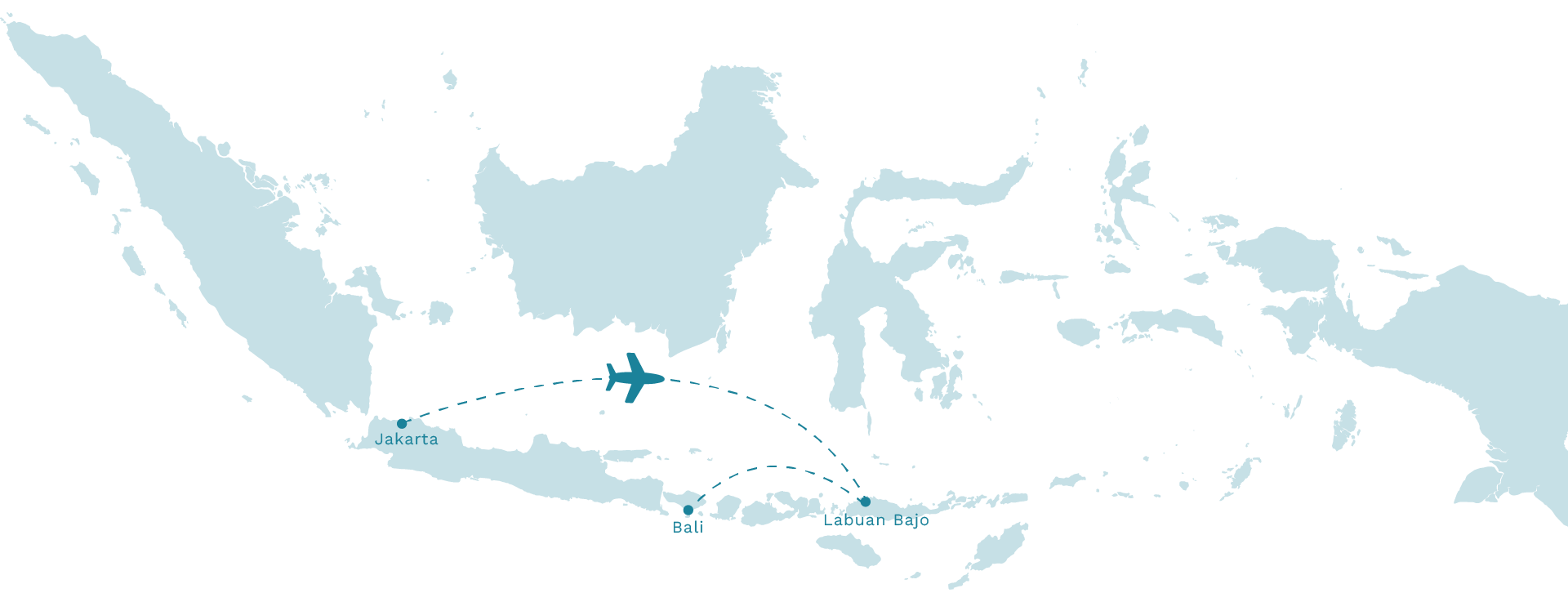
Jakarta (CGK) - Labuan Bajo (LBJ)

Bali (DPS) - Labuan Bajo (LBJ)

MARINE BIODIVERSITY

Manta rays, reef sharks, turtles, vibrant coral reefs, large schools of fish.

Why Visit

Komodo National Park

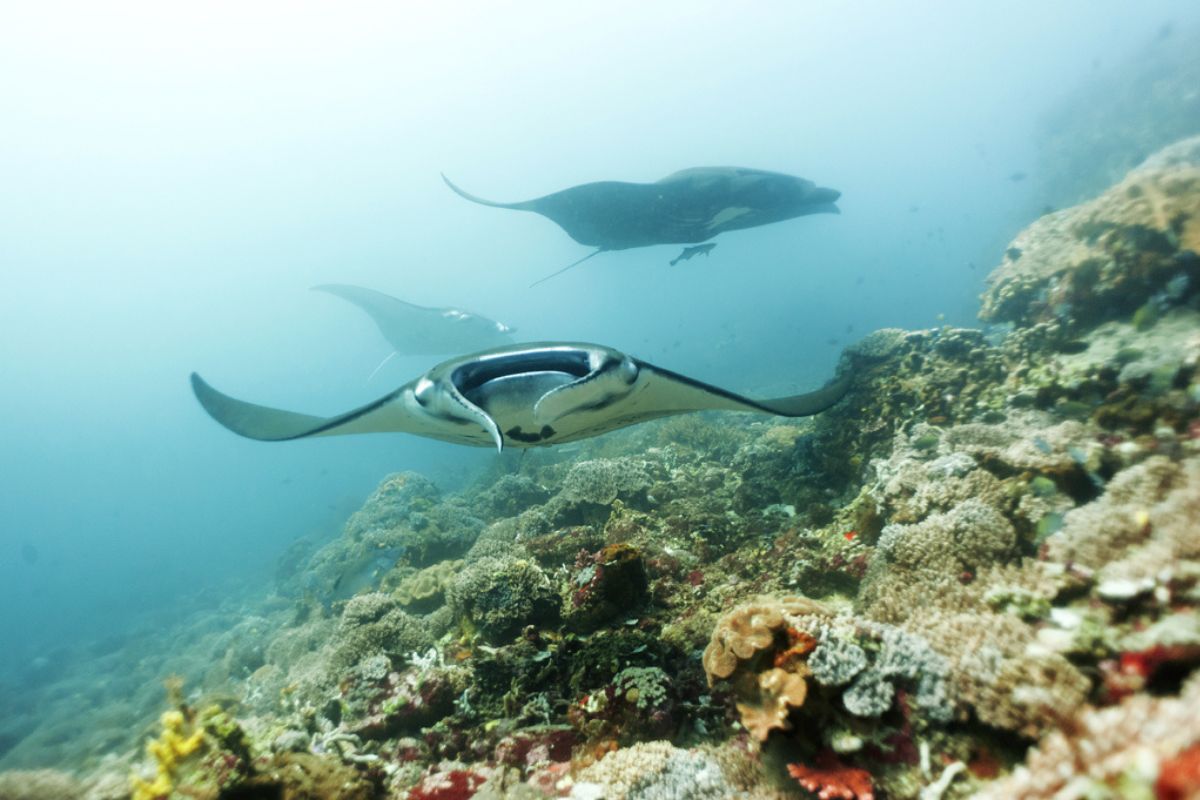
Most people have two purposes when they go to Komodo: to see the Komodo dragon or for the reef manta rays (Mobula alfredi), the second largest ray species in the world.

Around 1,085 reef manta rays were recorded in the waters of Komodo, making the area as the world’s top location for manta rays. The plankton-rich waters in Komodo mean the manta rays have abundant choices for cleaning stations, feeding grounds, and mating. Though classified as a vulnerable species, this pelagic ray found a haven in the waters of Komodo National Park. The area is believed to be important to ensure the manta rays status doesn’t become extinct.

Though you can see mantas all year, the best time to witness the group of these gentle giants is from December to March, when the plankton peak due to the wet season. Don’t be surprised if you find yourself circled by ten mantas at once!

Diving in

Komodo National Park

xr:d:DAFzuU4uaAc:2114,j:3531231170032996380,t:23111310
Manta Alley

A hotspot for manta rays year-round, where divers can witness up to 30 mantas gliding between coral bommies and cleaning stations surrounded by anthias and butterflyfish.

xr:d:DAFzuU4uaAc:2122,j:7450488748381851482,t:23111310
Horseshoe Bay

Encompasses sites like Cannibal Rock and Yellow Wall of Texas. Packed with rare critters like fire urchins with Coleman shrimp, tiger crabs, and sea apples. A macro photographer's dream.

xr:d:DAFzuU4uaAc:2128,j:5770646084425057623,t:23111310
Pilaarsteen (Padar Island)

Walls, swim-throughs, and caves with soft coral cover. Sightings include frogfish, scorpionfish, nudibranchs, turtles, and reef sharks.

xr:d:DAFzuU4uaAc:2132,j:7504531944284271064,t:23111310
Siaba Besar

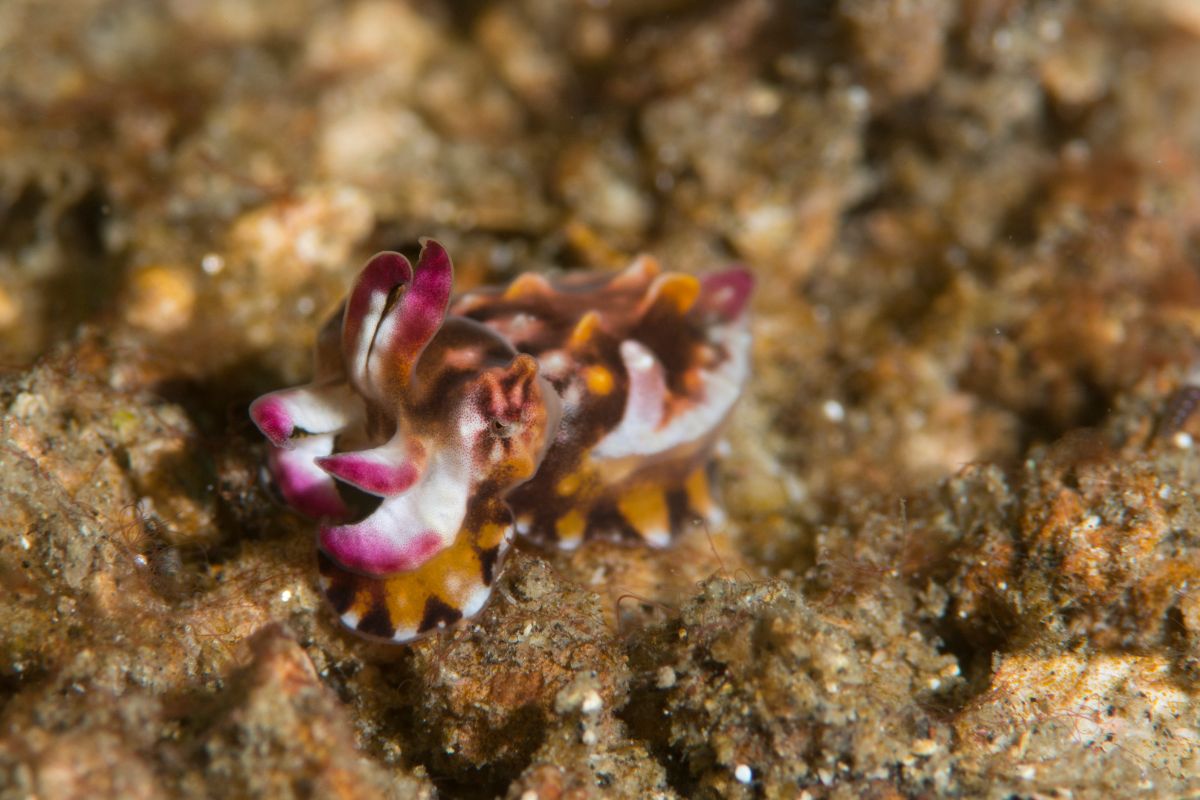
Calm reef perfect for beginners. Frogfish, cuttlefish, mantas, nudibranchs, and hawksbill turtles call this reef home.

xr:d:DAF4u0_lkYY:507,j:1003592556917152456,t:24011704
Tatawa Besar

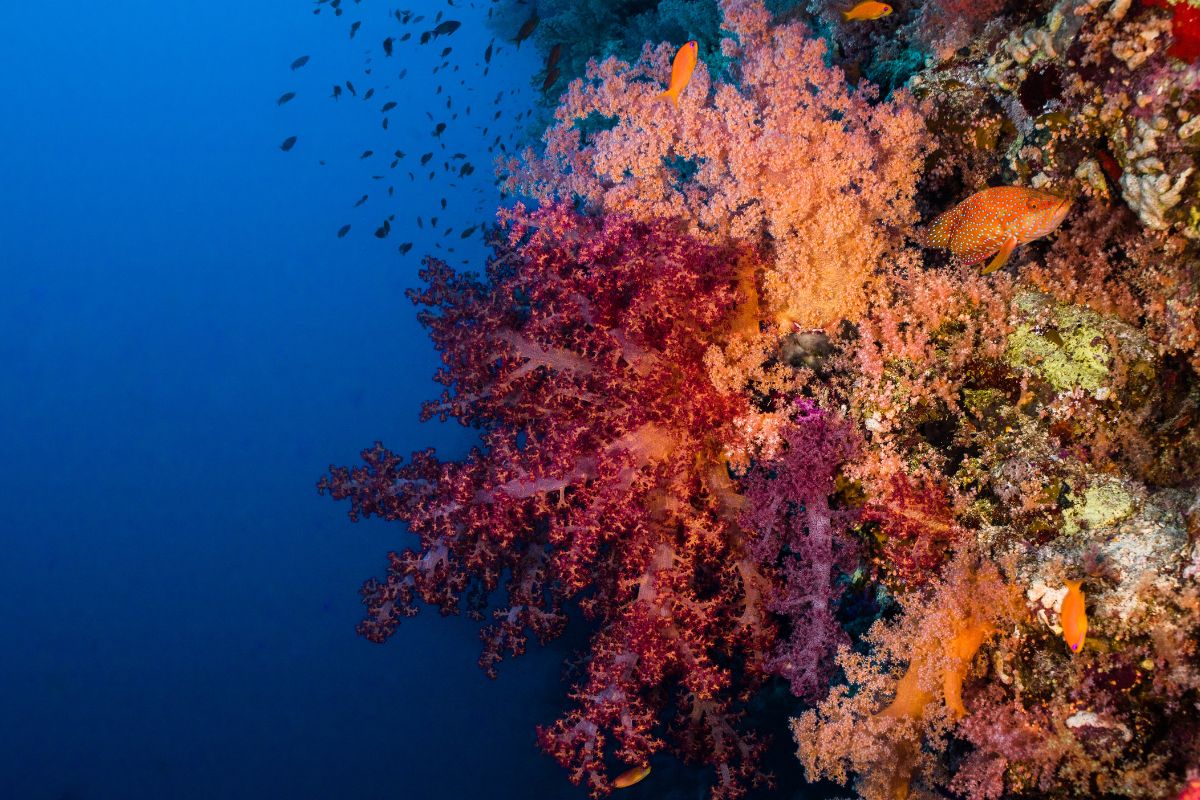
A top drift dive with gardens of soft coral, swarming reef fish, turtles, and occasional dolphins.

xr:d:DAFzuU4uaAc:2178,j:1809730217652516619,t:23111311
Karang Makassar (Manta Point)

Shallow reef with cleaning stations and strong chances of manta encounters during plankton blooms.

xr:d:DAFzuU4uaAc:1246,j:4824890049490264720,t:23111207
Manta Rays

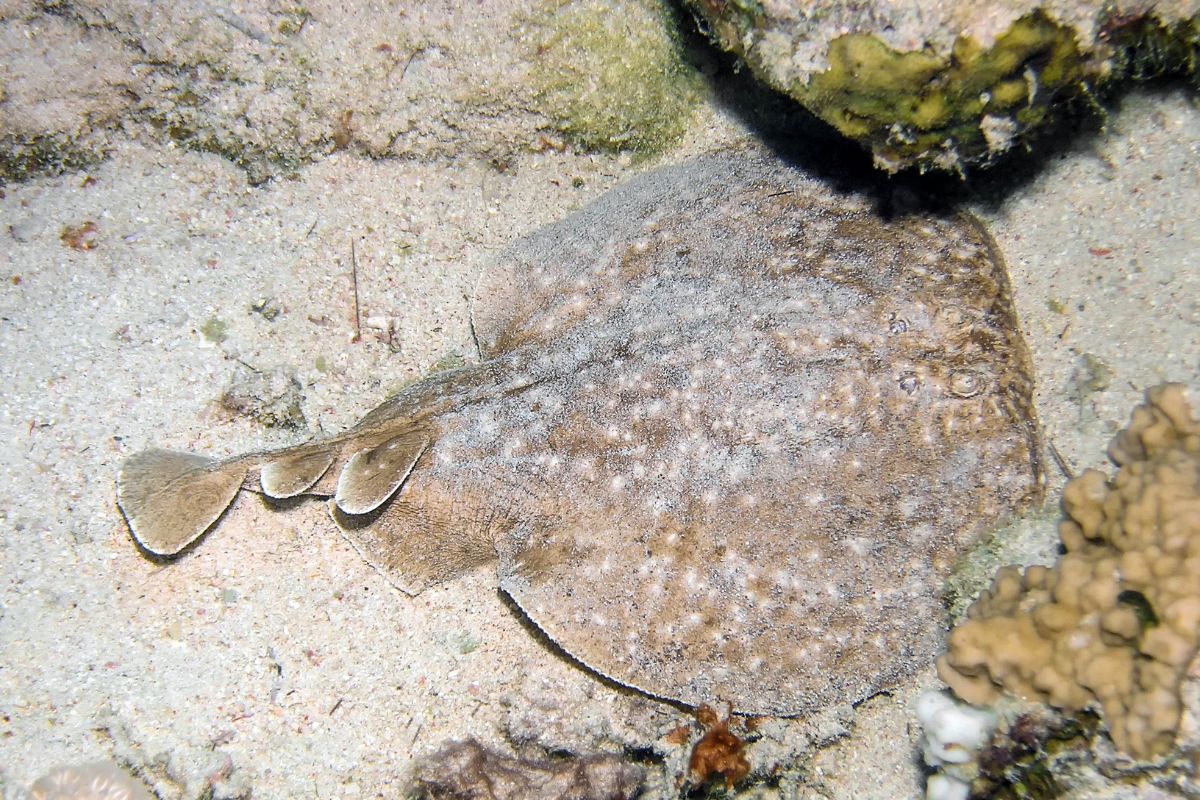
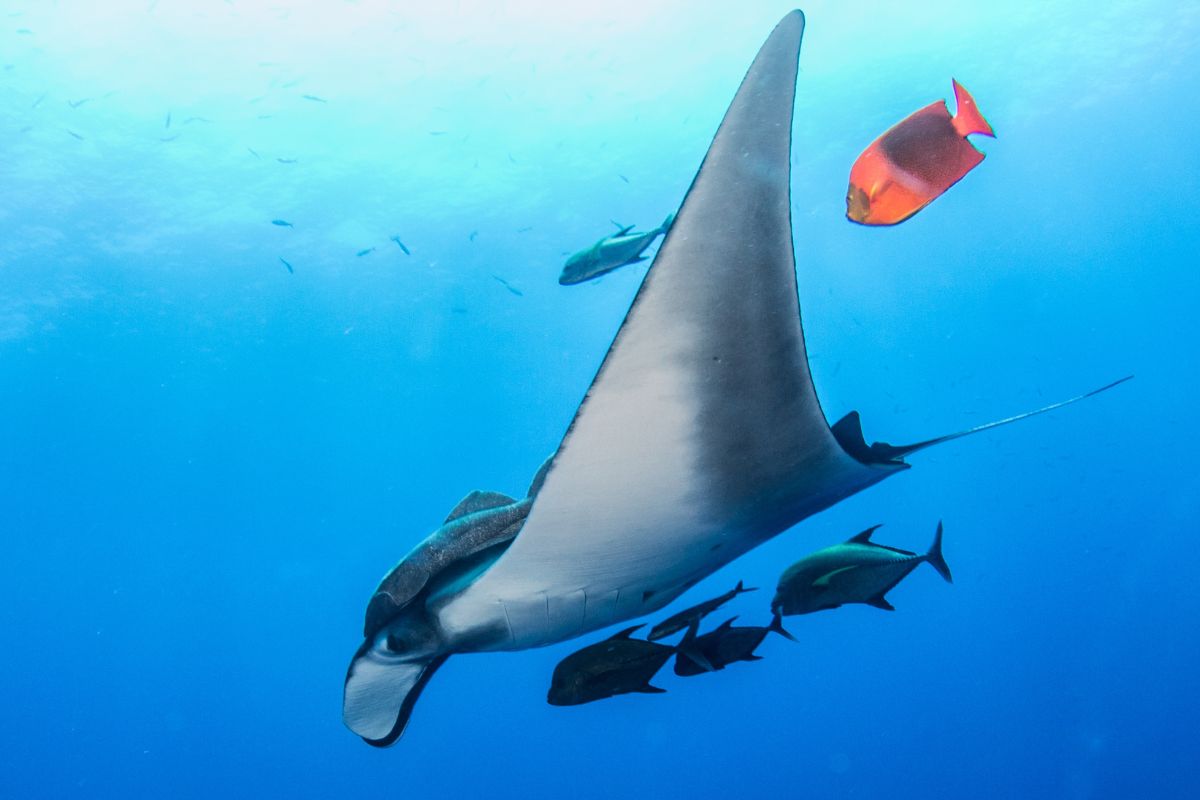
Graceful giants with wingspans up to 5 meters. These plankton-feeding rays are known for their intelligence, gentle nature, and acrobatic spins. They play a key role in ocean ecosystems by cycling nutrients through water columns.

xr:d:DAFzuU4uaAc:1183,j:6595930599260015562,t:23111206
Corals

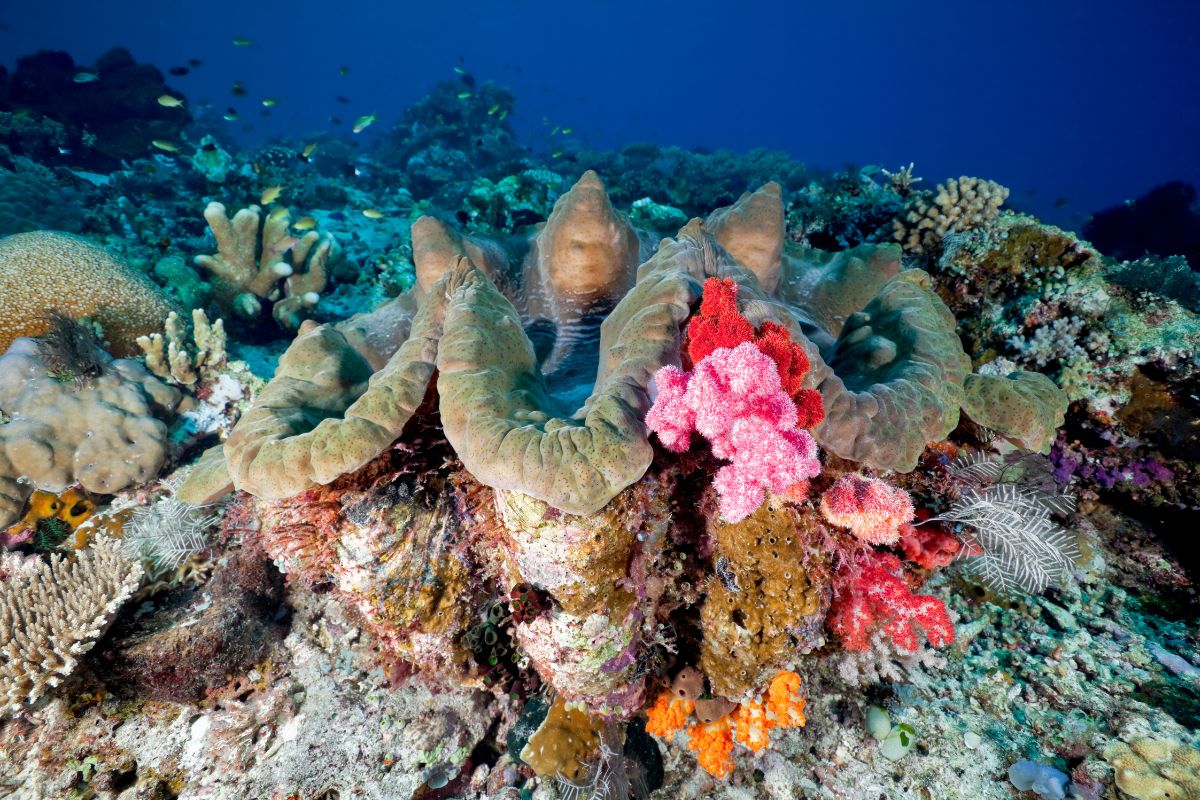
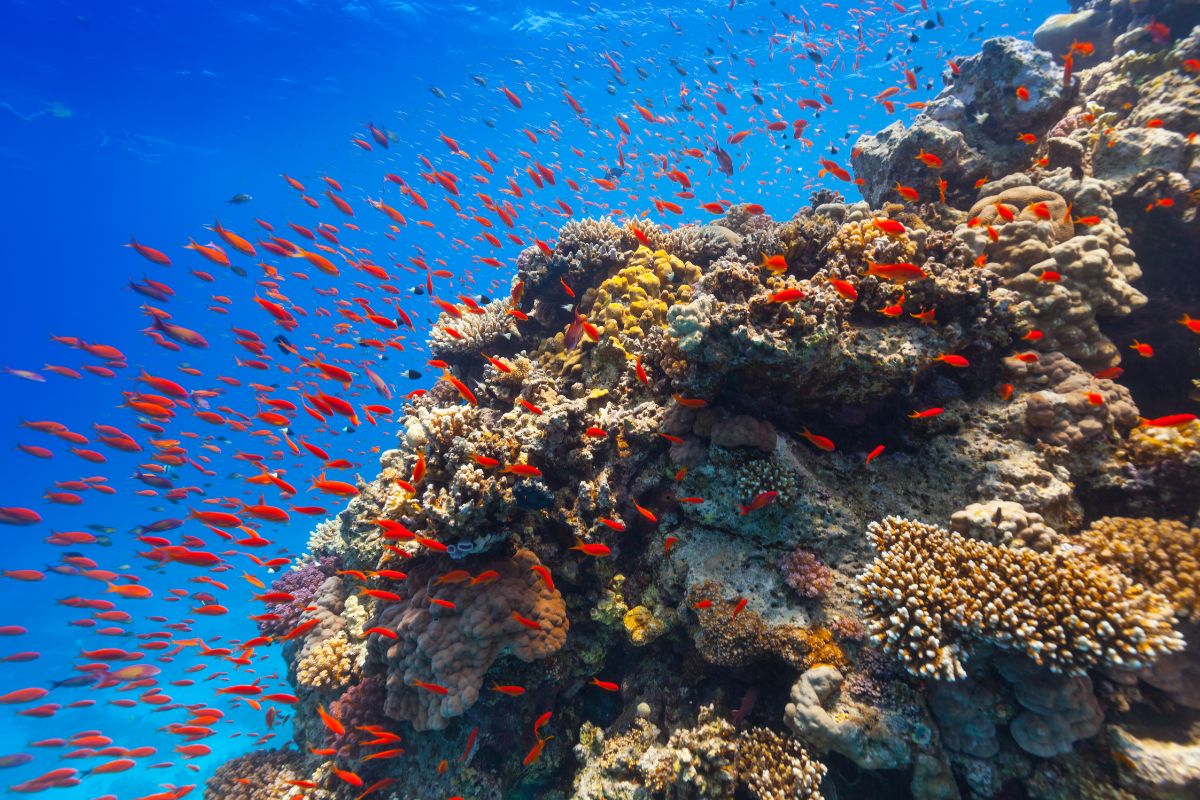
Over 260 coral species, including fire corals, Acropora, sea whips, and sponge colonies.

Duke of Sparta wreckage - 1
Sea Turtles

Green, hawksbill, olive ridley, and loggerhead turtles regularly appear at reef drop-offs.

xr:d:DAFzuU4uaAc:1139,j:4123454397165584542,t:23111205
Whales and Dolphins

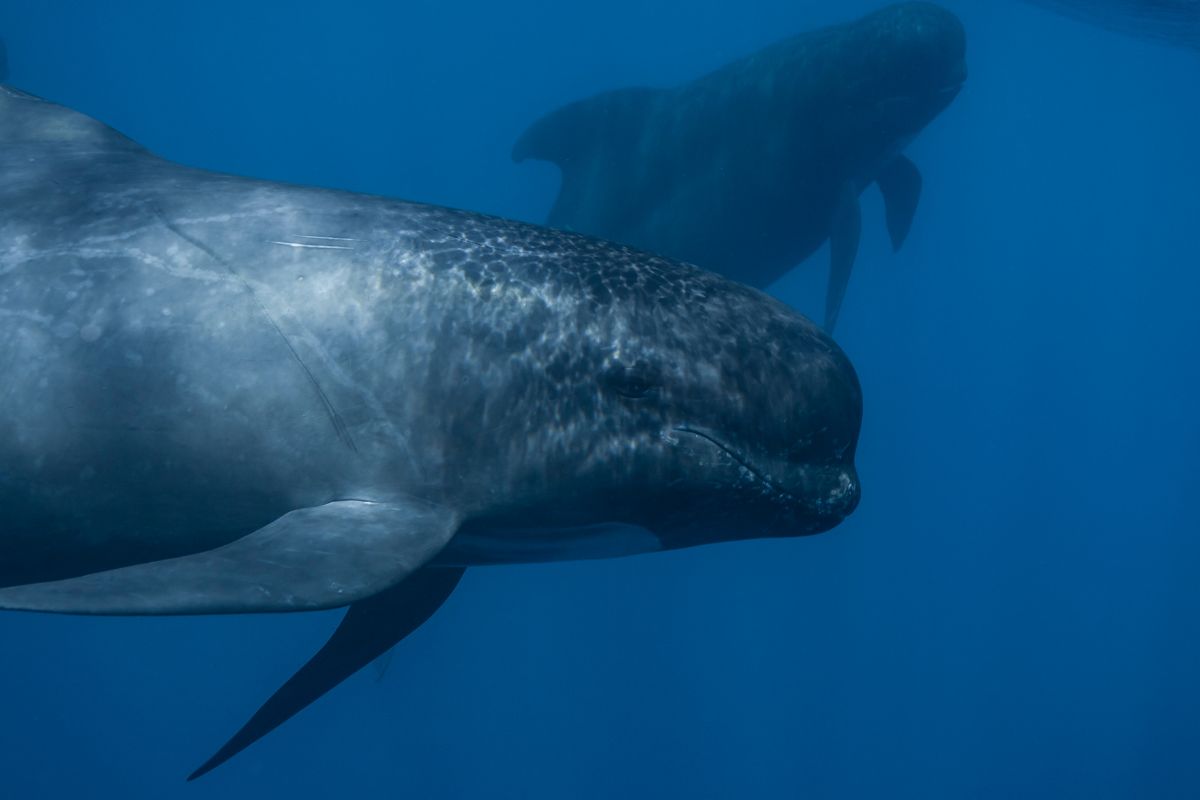
Spinner dolphins and pilot whales are frequently seen from the surface. Blue whales also pass seasonally.

Reef fish
Reef Fish

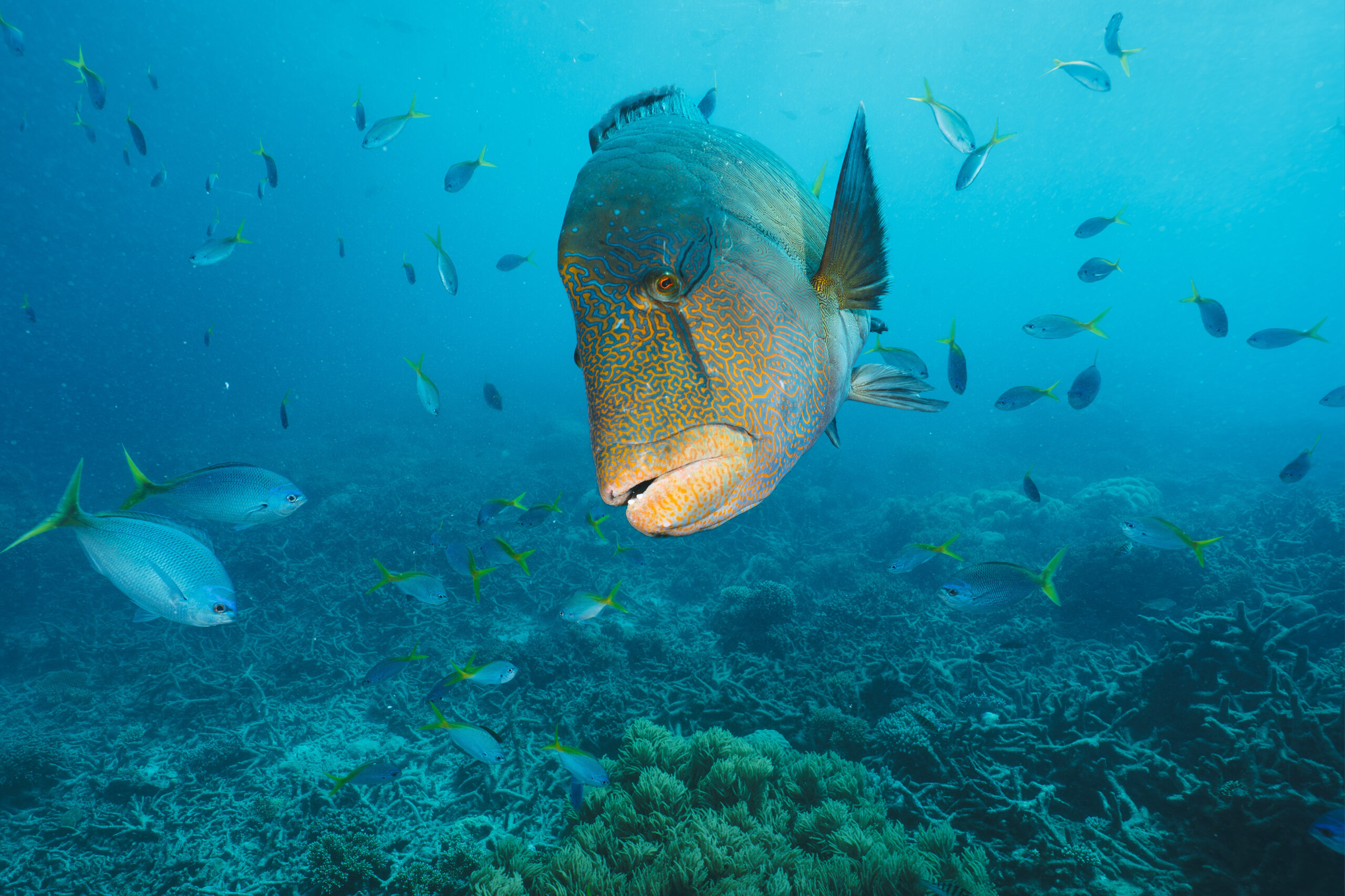
Komodo supports over 1,000 species, including Napoleon wrasse, mola-mola, lionfish, pipefish, and clown frogfish.

Komodo’s water temperatures range from 26°C to 29°C throughout the year. The north tends to be warmer, while southern sites can be cooler, especially from June to September. A 3mm wetsuit is usually fine, though a 5mm may be preferred in the south.
Komodo’s dive sites offer a rich mix of colorful coral reefs, steep walls, pinnacles, canyons, and sandy slopes. Depths vary widely, typically from 5 meters down to over 40 meters, allowing for both shallow reef dives and deeper explorations.
Currents in Komodo are strong and highly variable, driven by tidal exchanges. Sites like Batu Bolong and Castle Rock can have powerful drifts and downcurrents, making them best for experienced divers. Calmer sites are available for beginners, especially when timed with the tides. Local dive guides are essential for safe and enjoyable dives.
Komodo Map-01

 
Jakarta (CGK) - Komodo International Airport (LBJ)

 
Bali (DPS) - Komodo International Airport (LBJ)

How to get to

Komodo National Park

One of Indonesia’s most iconic diving destinations, Komodo is surprisingly accessible—yet still remote enough to feel like a true adventure, with connections by air, sea, and liveaboard.
Transportation Icon-08
By Plane
The most direct access is via Komodo Airport (LBJ) in Labuan Bajo, Flores. Flights are available daily from Jakarta (CGK), Bali (DPS), and Surabaya (SUB), serviced by airlines such as Batik Air, Citilink, and Wings Air. The airport is just a 10-minute drive from the port, where boats to the park depart.
Transportation Icon-02
By Ferry
Public ferries connect Sape (Sumbawa) to Labuan Bajo, and Pelni ships occasionally dock here from other islands. Ferries are best suited for overland travelers on longer itineraries.
Transportation Icon-03
By Liveaboard
Komodo is one of Indonesia’s premier liveaboard destinations, with a wide range of vessels operating out of Labuan Bajo. Liveaboards offer multi-day dive cruises through the park’s highlights all while providing comfortable accommodations and easy access to remote dive sites.

Explore

Komodo National Park

Liveaboards

Raja Ampat

Komodo National Park

The Forgotten Islands

Ambon Moluccas

Banda Sea

Wakatobi