Raja Ampat

The Last Paradise, where untouched reefs and rare marine life create the ultimate diver’s dream

The Crown Jewels of Raja Ampat

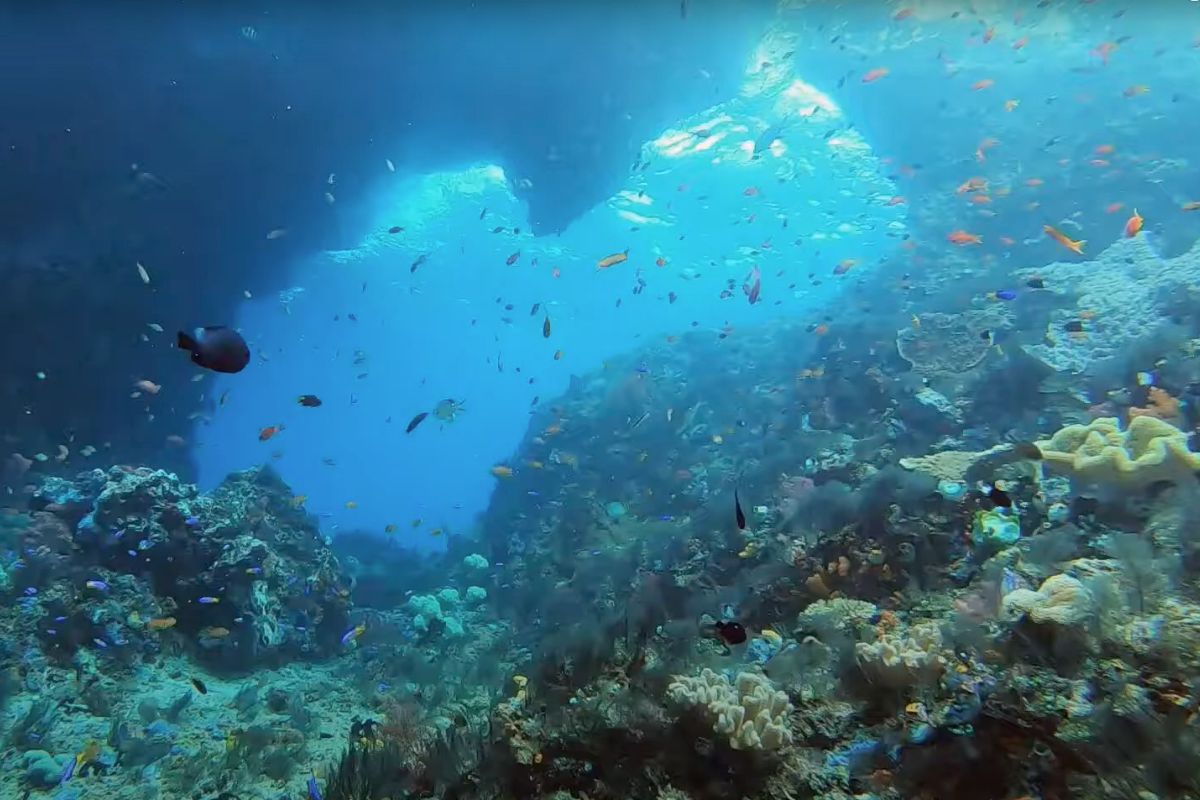
Raja Ampat is Indonesia’s crown jewel for scuba diving adventures, and it is best reached via Raja Ampat liveaboard. Encompassing over 1,500 islands, its waters boast the world’s highest recorded marine biodiversity. From drift dives packed with pelagics to tranquil coral gardens, this remote paradise offers something for every diver and snorkeler.


Misool
Misool
A remote southern gem, Misool is famed for its protected marine reserve, no-take zones, and vibrant biodiversity. Expect manta rays, wobbegongs, and some of the richest reefs on earth.
Wayag
Wayag
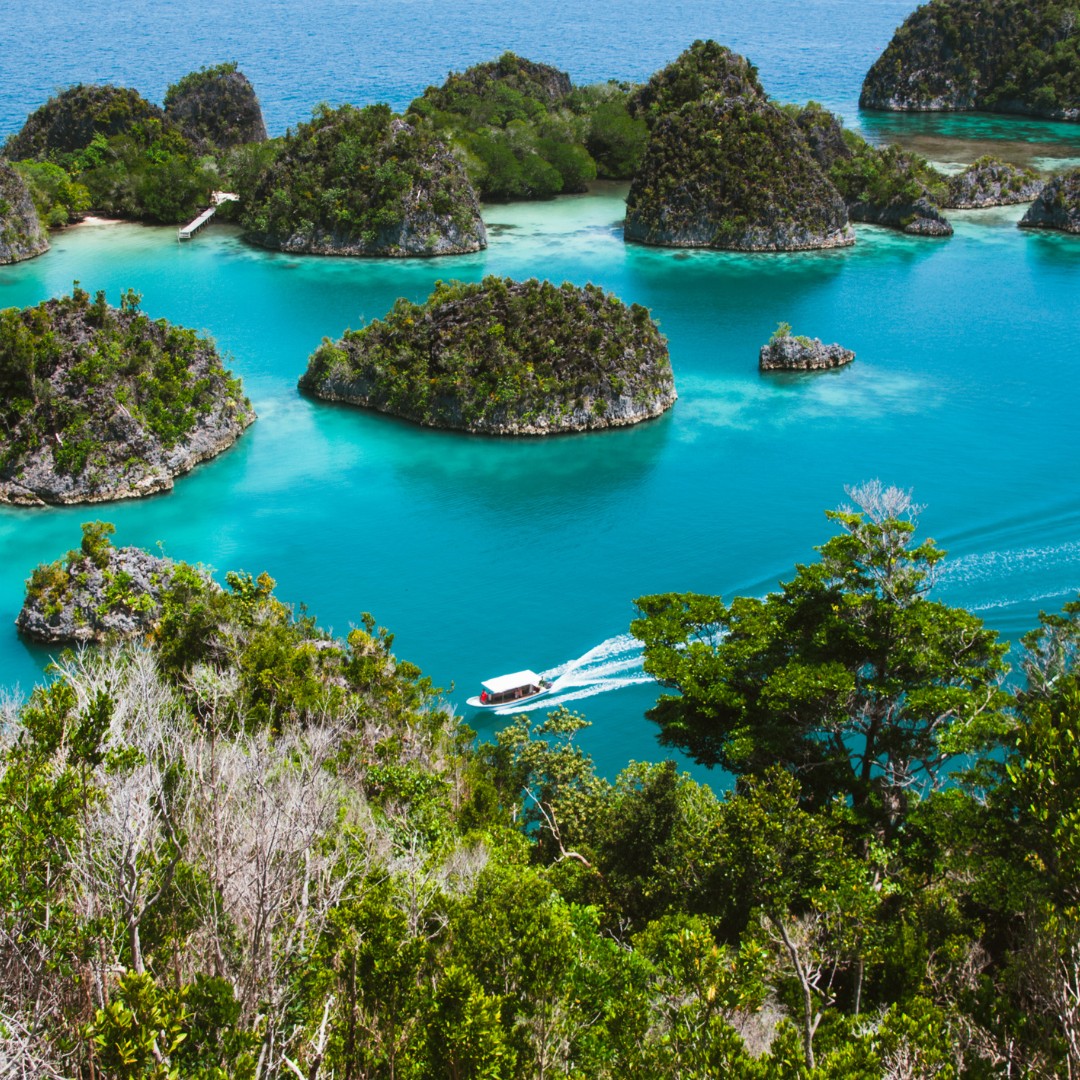
Iconic for its limestone islets and emerald lagoons, Wayag offers limited diving but unmatched natural beauty and calm anchorage for liveaboards.
Dampier Strait
Dampier Strait
The heart of Raja Ampat diving, where nutrient-rich currents fuel spectacular marine life. Home to legendary dive sites like Cape Kri and Sardine Reef.

Main Access Point

West Papua, Indonesia

BEST SEASON TO VISIT

October – April (Optimal diving conditions)

GETTING THERE

Fly to Sorong, ferry to Waisai

MARINE BIODIVERSITY

75% of the world's coral species

Why Visit

Raja Ampat

It is challenging to refer to one particular marine life as the main attraction of Raja Ampat because the variety found here is astonishing. Not to mention, many species only exist in the waters of Raja Ampat, making it one—if not the most—mind-blowing dive site in the world. But if it has to be narrowed down, black manta rays should be high on the list.

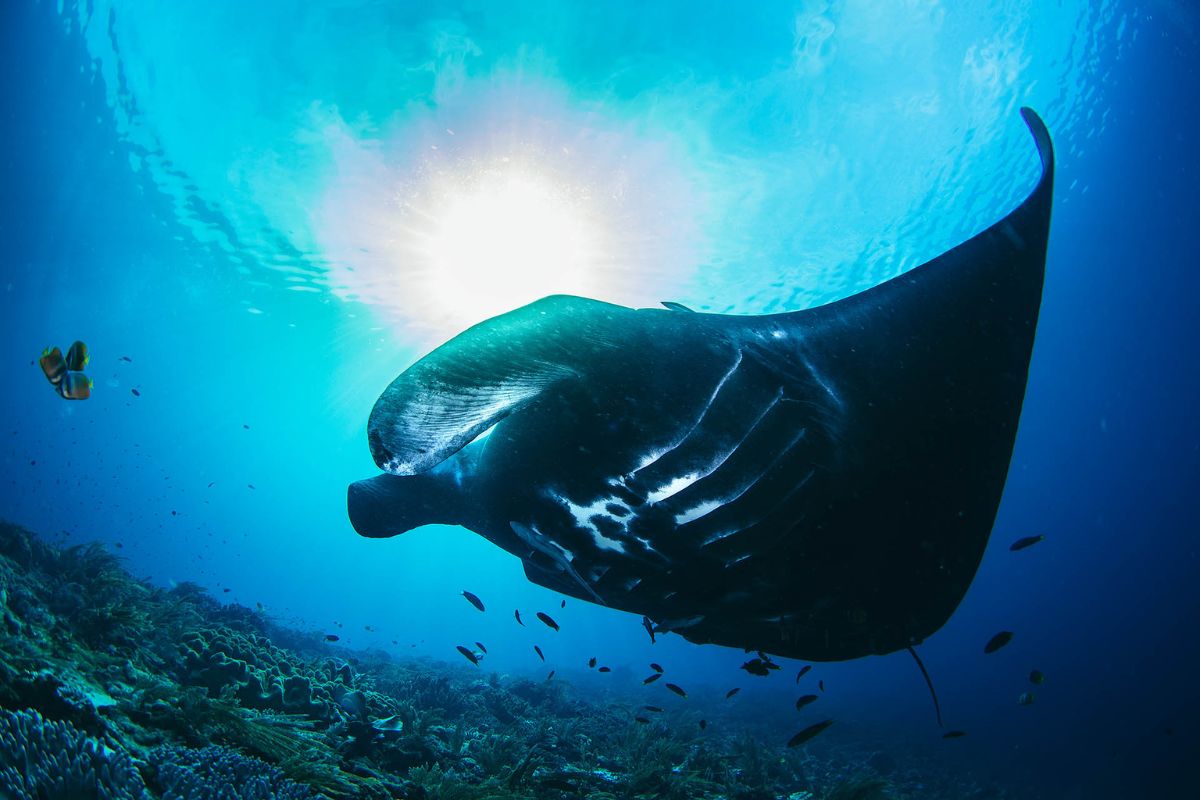
Manta rays generally have dark grey on their backs and primarily white on the undersides, but the ones found in Raja Ampat are melanistic. Their backs and bottoms are entirely black with some central white blazes in different sizes and shapes. What makes the black mantas in Raja Ampat special is that 40% of the population of reef manta rays in the region is black. The only place in the world where black manta’s population is prominent is in Ecuador, which is only 16%.

Diving in

Raja Ampat

xr:d:DAFzuU4uaAc:1973,j:1809730200038195331,t:23111307
Citrus Ridge

A riot of soft corals and reef fish, nicknamed 'The Aquarium'. Mangroves and colorful corals shelter octopus, turtles, pufferfish, and schooling barracuda.

xr:d:DAFzuU4uaAc:1983,j:2792640817496301248,t:23111307
Melissa’s Garden (Dampier Strait)

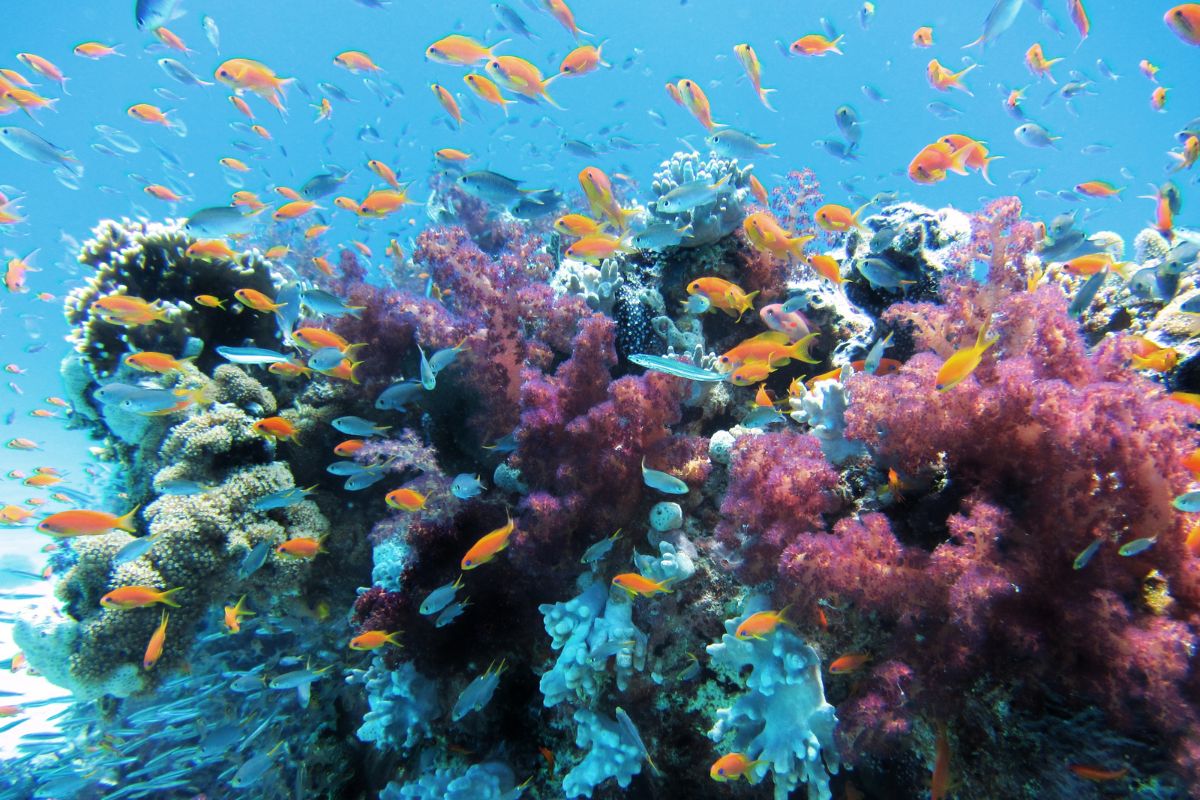
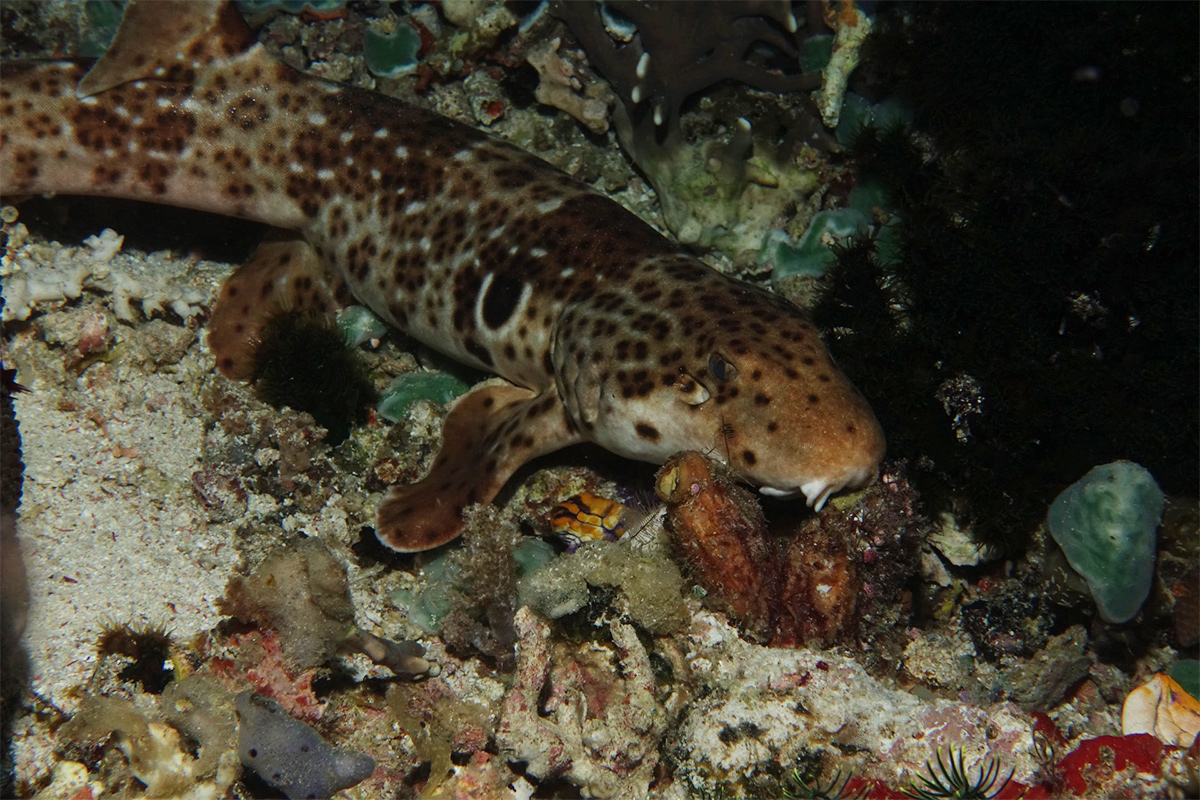
A coral masterpiece with stony, soft, and hydrocorals. Sightings include anthias, manta rays, zebra sharks, and the rare Raja epaulette shark.

xr:d:DAFzuU4uaAc:2031,j:8466050456342741318,t:23111308
Boo Windows (Misool)

Two submerged rocks with natural swim-throughs, home to butterflyfish, frogfish, pygmy seahorses, and wobbegongs resting on coral shelves.

blue magic
Blue Magic (Dampier Strait)

A submerged pinnacle with cleaning stations. Regular sightings of manta rays, green turtles, trevallies, and the Raja Ampat walking shark.

xr:d:DAFzuU4uaAc:2014,j:6999002876920549044,t:23111308
Sardine Reef (Dampier Strait)

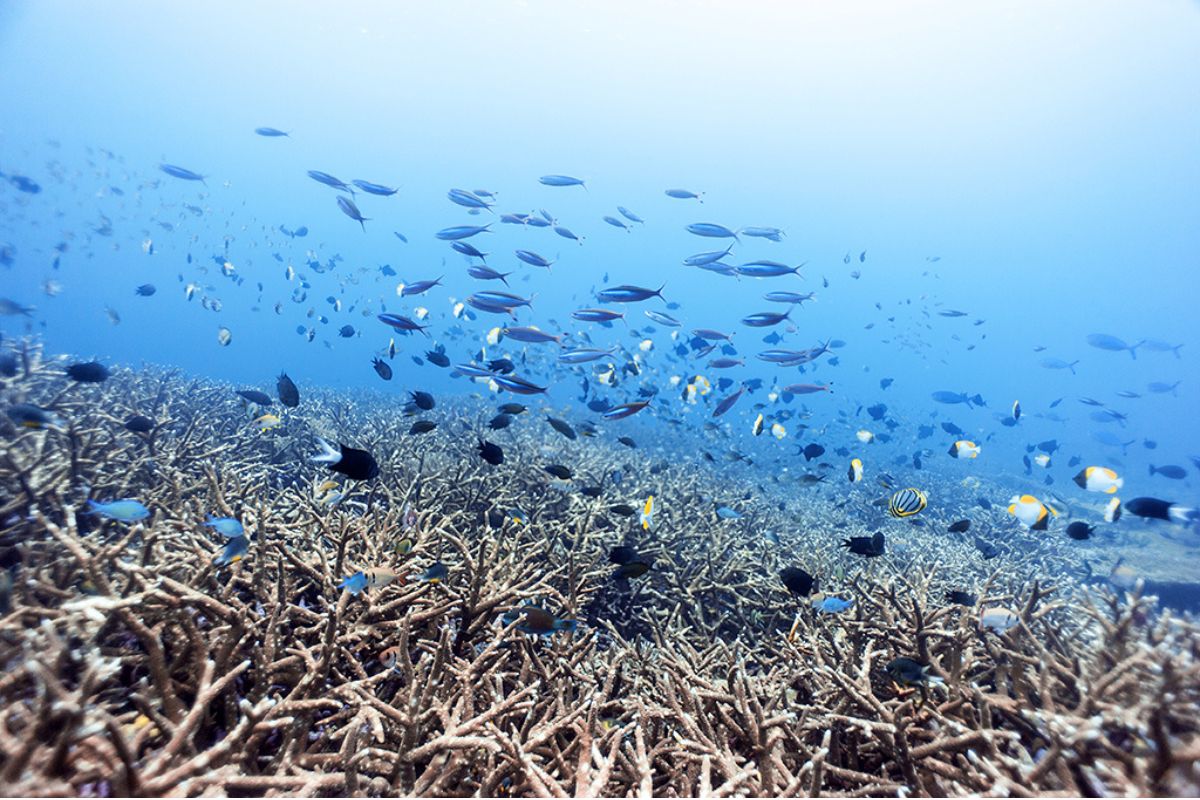
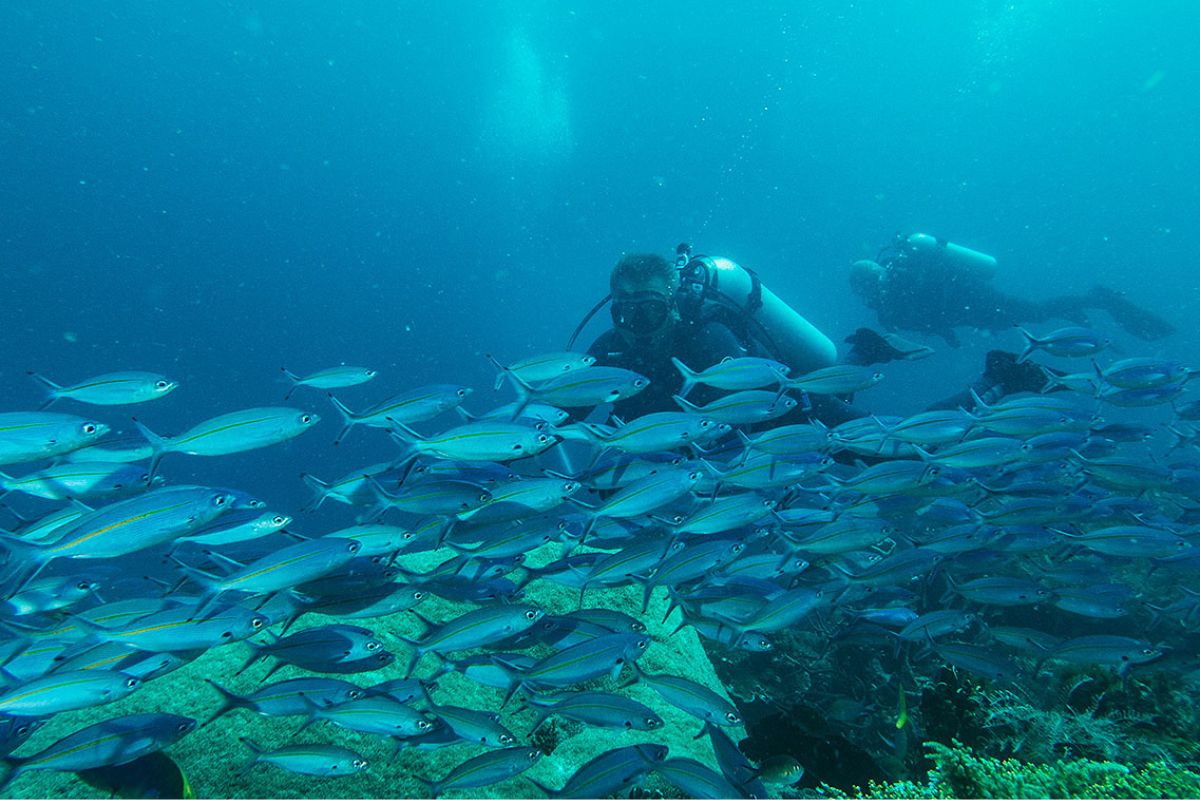
Dense coral cover with swirling fusiliers, jacks, tuna, and reef sharks. Wobbegongs and sweetlips are often seen cruising the reef edge.

xr:d:DAFzuU4uaAc:2059,j:2291615370137779692,t:23111309
Mioskon (Dampier Strait)

A diver favorite, teeming with pygmy seahorses, yellow snappers, jacks, Napoleon wrasse, and vibrant sponges.

Corals
Corals

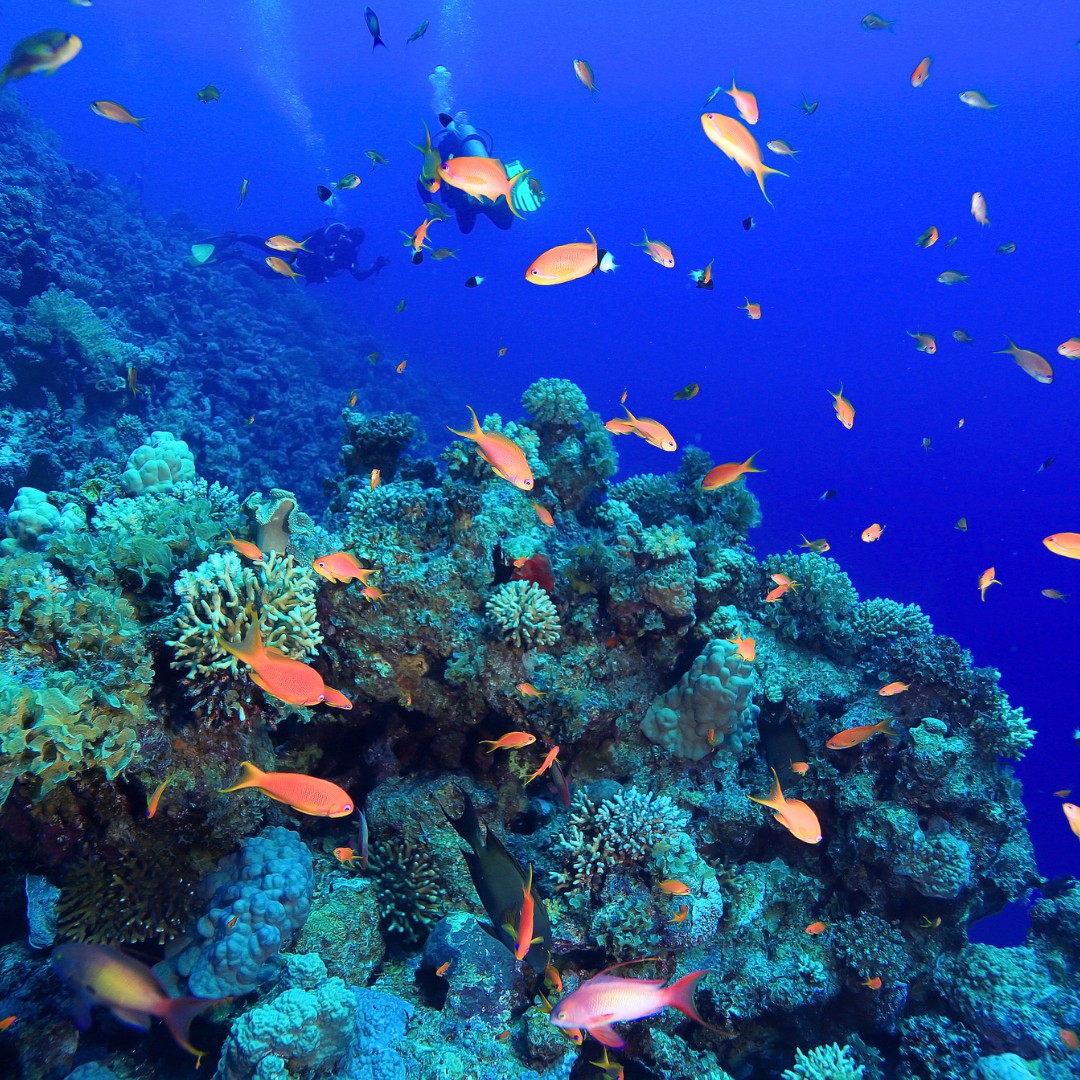
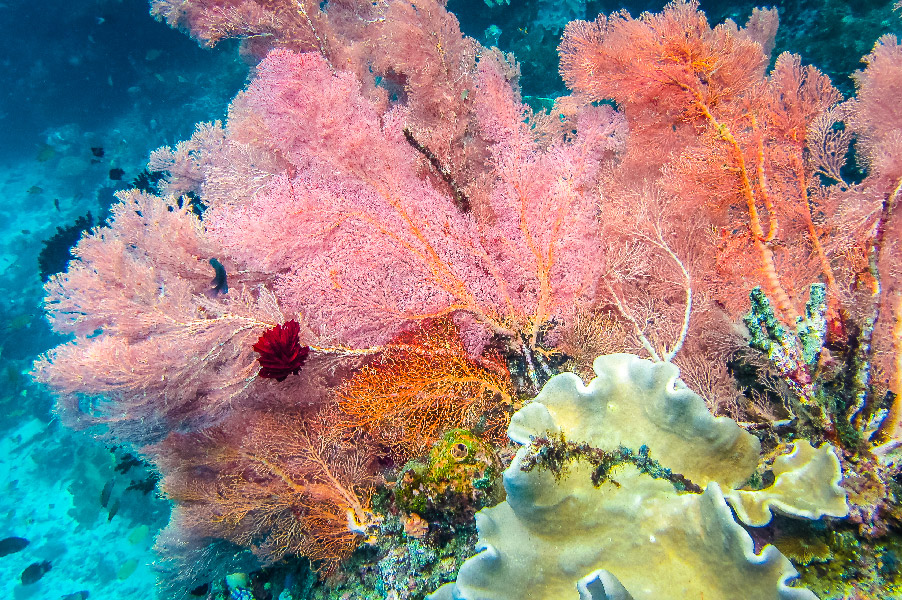
Over 600 species, including soft corals, sea fans, and massive sponges.

Fish
Fish

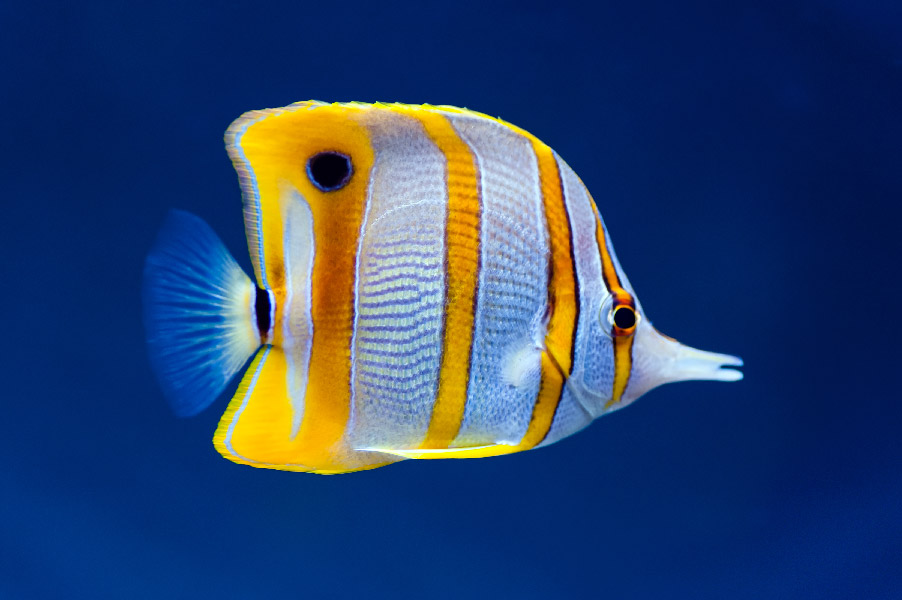
Nearly 1,000 reef fish species, from butterflyfish and parrotfish to trevallies and barracuda.

xr:d:DAFzuU4uaAc:856,j:8652949666323875299,t:23111116
Sharks

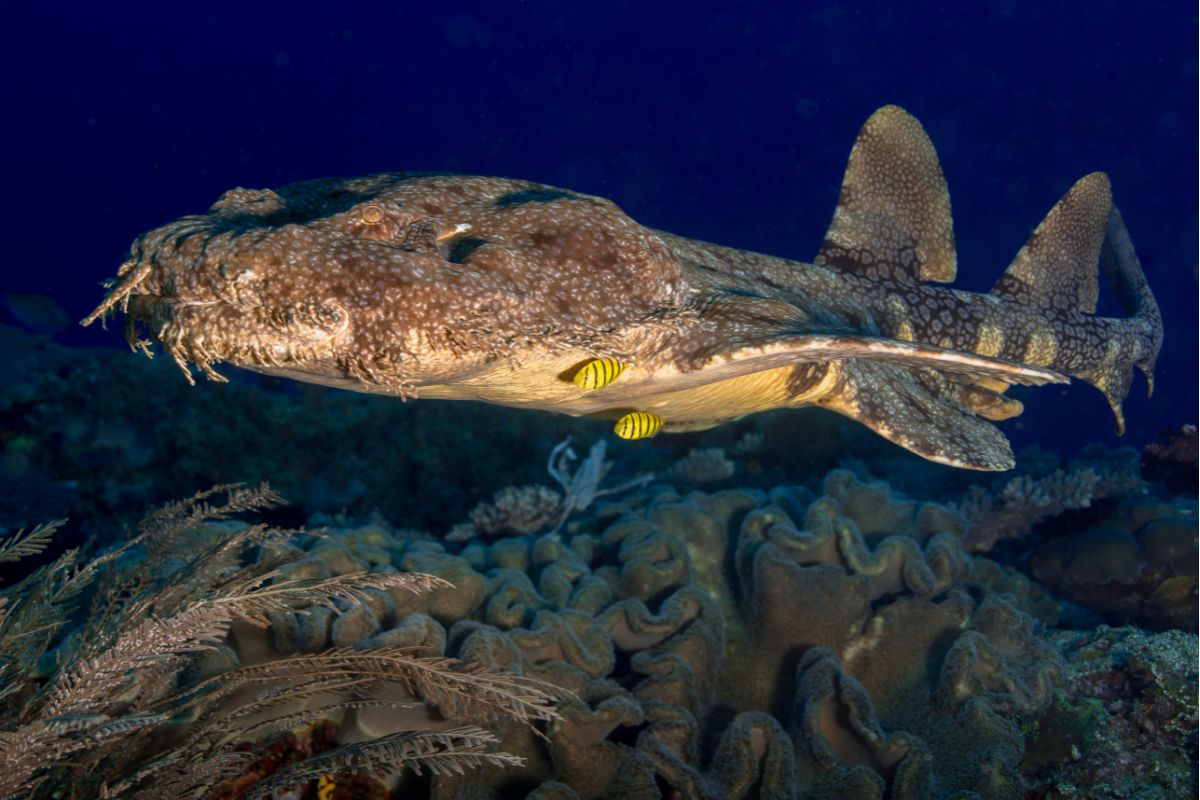
Includes grey reef, white tip, the endemic Raja Ampat walking shark, and Indonesian speckled carpet shark.

xr:d:DAFzuU4uaAc:833,j:207574464437818049,t:23111116
Rays

Black and reef manta rays, spotted cruising cleaning stations in Misool and Dampier.

xr:d:DAFzuU4uaAc:909,j:7224182687891062047,t:23111117
Mollusks

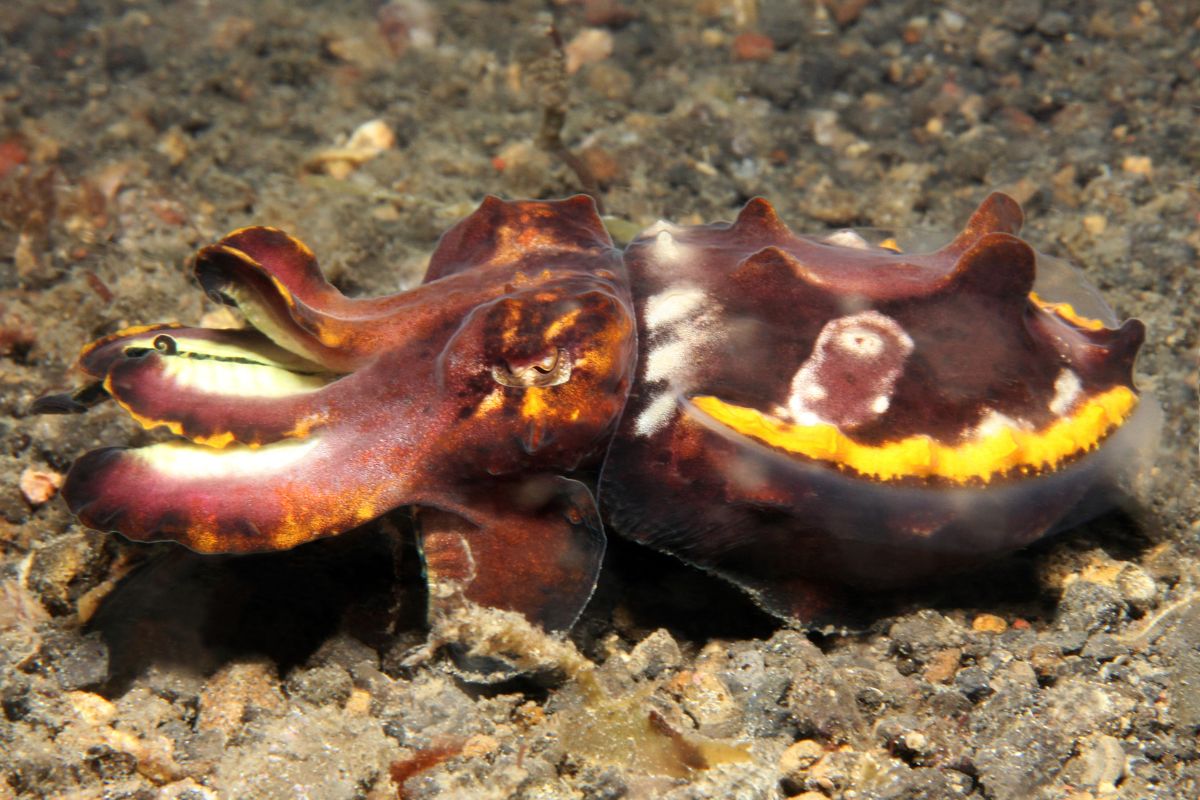
Giant clams, rare nudibranchs, and vibrant cephalopods like octopuses and cuttlefish.

The water temperature in Raja Ampat can be considered constant all year long in the range of 27°C to 30°C, though using a 3mm to 5mm wetsuit is recommended.
The underwater topography in Raja Ampat varies from the shallow reefs, drop-offs, pinnacles, and caves. The diverseness of these situations means the depths range from 5 meters to 60 meters.
The currents around Raja Ampat differ from one dive site to another. Some dive sites have strong winds, meaning only experienced divers can dive in the area, and some other places have calm surfaces that are more suitable for beginner divers.
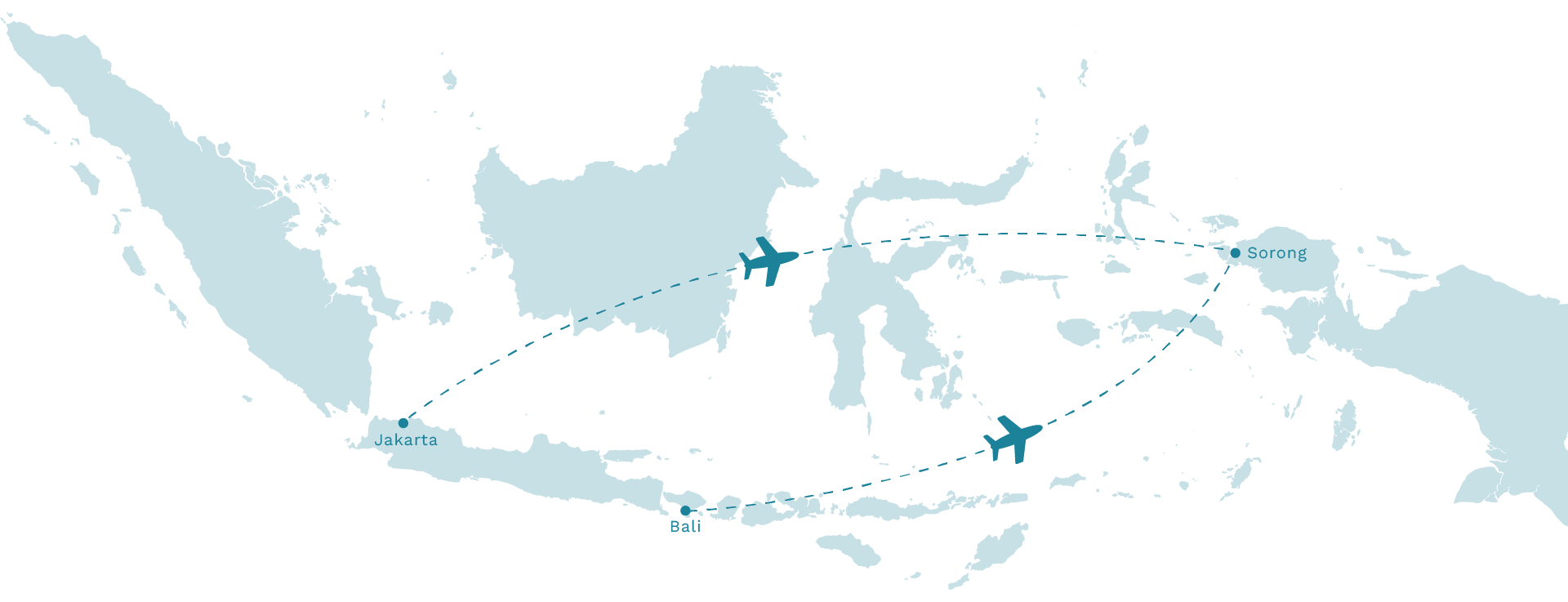
Raja Ampat Map

 
Jakarta (CGK) - Sorong (SOQ)

 
Bali (DPS) - Sorong (SOQ)

How to get to

Raja Ampat

Due to its isolated location, getting to Raja Ampat is not as simple as getting on a plane, and you get to your destination. Efforts need to be made to reach The Coral Triangle’s Heart.
Transportation Icon-08
By Plane
The entry point to get to Raja Ampat is to fly to Sorong. Though not directly, most prominent airports in Indonesia serve the flight to Sorong.
Transportation Icon-02
By Ferry
Once you land in Sorong, you must take a car to the harbor and then continue by ferry to Waisai in the region of Waigeo, one of the four main islands in Raja Ampat.
Transportation Icon-03
By Liveaboard
When hundreds of dive sites are available in the area, this undoubtedly is the best way to have a whole experience.

Explore

Raja Ampat

Liveaboards

Raja Ampat

Komodo National Park

The Forgotten Islands

Ambon Moluccas

Banda Sea

Wakatobi