
Lombok

Hammerheads at Belongas Bay, turtle-rich reefs around the Gilis, and the Wallace Line running through the channel between Bali and Lombok

Diving the Wallace Line — Where Indian Ocean Meets Pacific

A Lombok liveaboard puts you on one of the most biologically significant stretches of water in Asia. The Lombok Strait — the narrow channel between Bali and Lombok — is the Wallace Line, the invisible boundary identified by naturalist Alfred Russel Wallace in 1859 that divides Asian and Australasian fauna. Above water, the difference is subtle. Below water, it shapes everything: cold upwellings, strong currents, and the pelagic encounters that follow.

Most Lombok liveaboard itineraries run as part of longer Bali-to-Komodo or Bali-to-Sumbawa crossings, with Lombok and the Gili Islands as the first or last leg. The Gilis offer easy turtle-heavy reefs that suit divers of all experience levels. Belongas Bay in the south is the opposite — challenging, deep, and famous for one thing: schooling scalloped hammerheads at The Magnet, a seamount that rises 80 meters from the sea floor.

Main Access Point

Lombok (LOP) or Bali (DPS) gateway

BEST SEASON TO VISIT

May – October (peak Aug–Oct for hammerheads)

What to See

Scalloped & great hammerheads, turtles, mobulas

Why Visit

Lombok

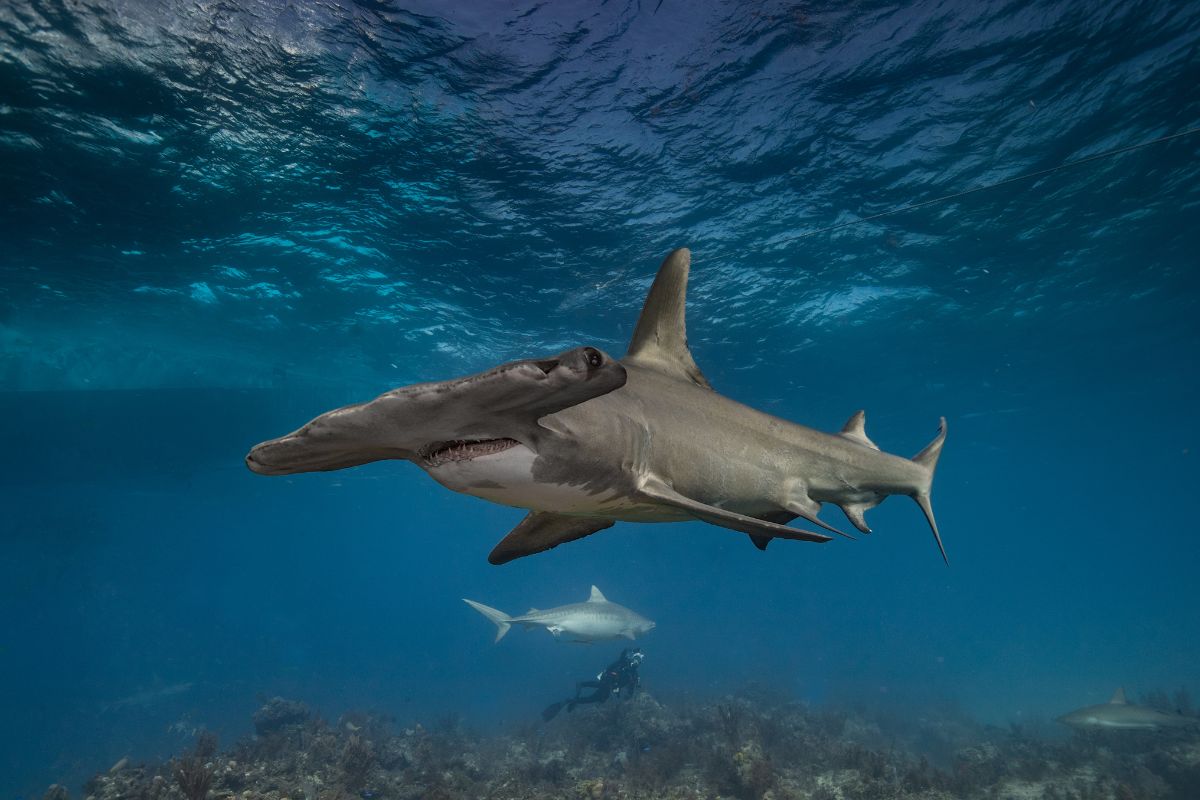
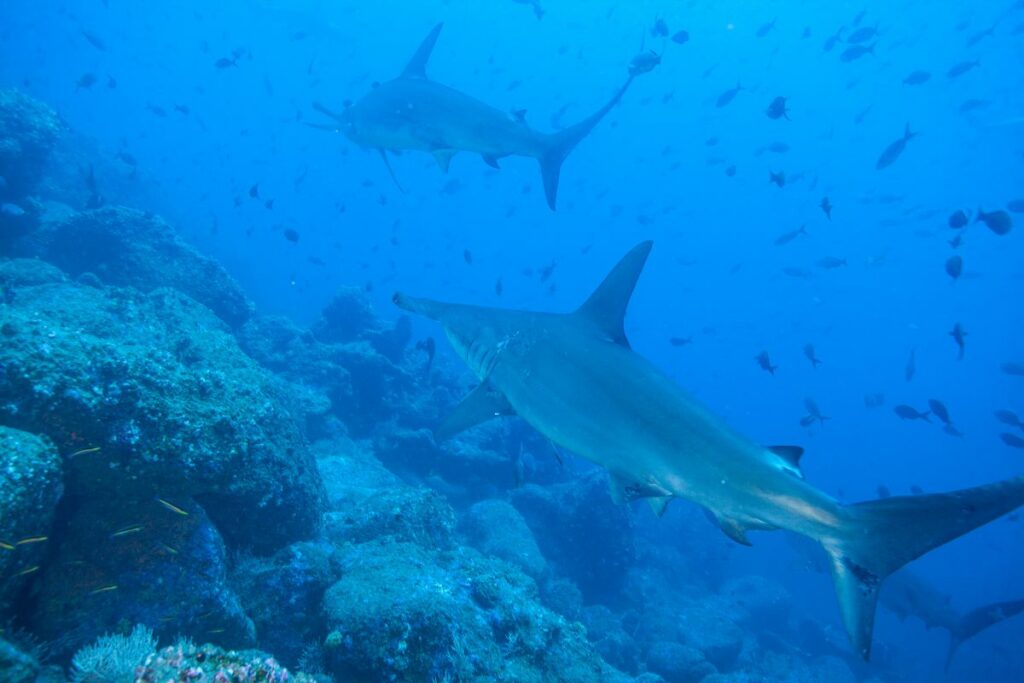
A Lombok liveaboard sits at a crossroads in Indonesian diving. To the west: Bali’s volcanic muck and Mola mola sites. To the east: Sumbawa’s whale sharks and Komodo’s currents. Lombok and its surrounding Gili islands occupy the middle — the literal Wallace Line — and offer something neither neighbor does: reliable hammerhead encounters at Belongas Bay between June and October. Two species share these waters, scalloped and great hammerheads. It’s one of only a handful of sites worldwide where both can be seen on the same dive.

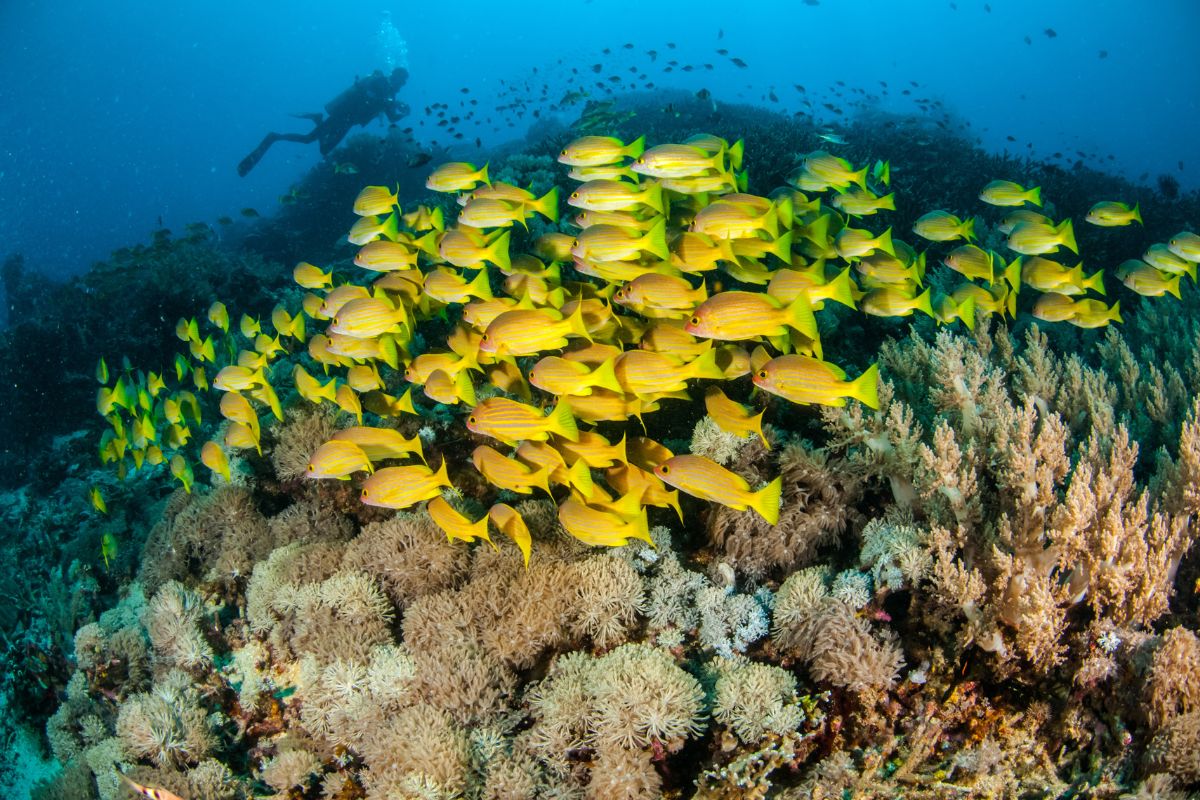
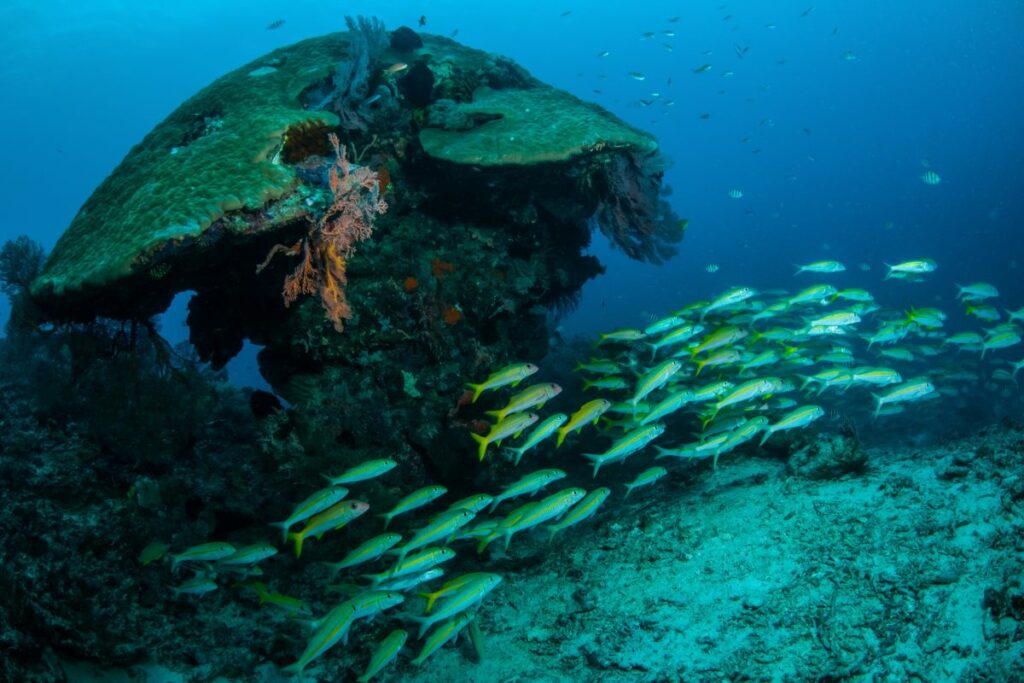
The diving splits cleanly between two regions. The three Gili Islands off Lombok’s northwest coast (Trawangan, Meno, and Air) sit inside a small marine reserve and offer gentle drift dives, abundant green and hawksbill turtles, and white and blacktip reef sharks at Shark Point. Belongas Bay in the south is a different proposition: The Magnet and The Cathedral are deep pinnacle dives with strong currents, negative-entry descents, and water that drops to 21–24°C below the thermocline. Most operators require Advanced Open Water certification plus 50–100 logged dives for these sites.

A standalone Lombok liveaboard typically runs three to five nights, often combined with Komodo or Bali. Longer Sorong-to-Bali crossings include Lombok as a single-stop transit. If hammerheads are the priority, plan around the August–October window and add buffer days — Belongas’s surge and surface conditions can cancel dives on short notice. If turtles and easy reefs are the priority, the Gilis dive well year-round, with the dry season May–September offering the best visibility.

Diving & Activities in

Lombok

schooling hammerheads lombok
The Magnet (Belongas Bay)

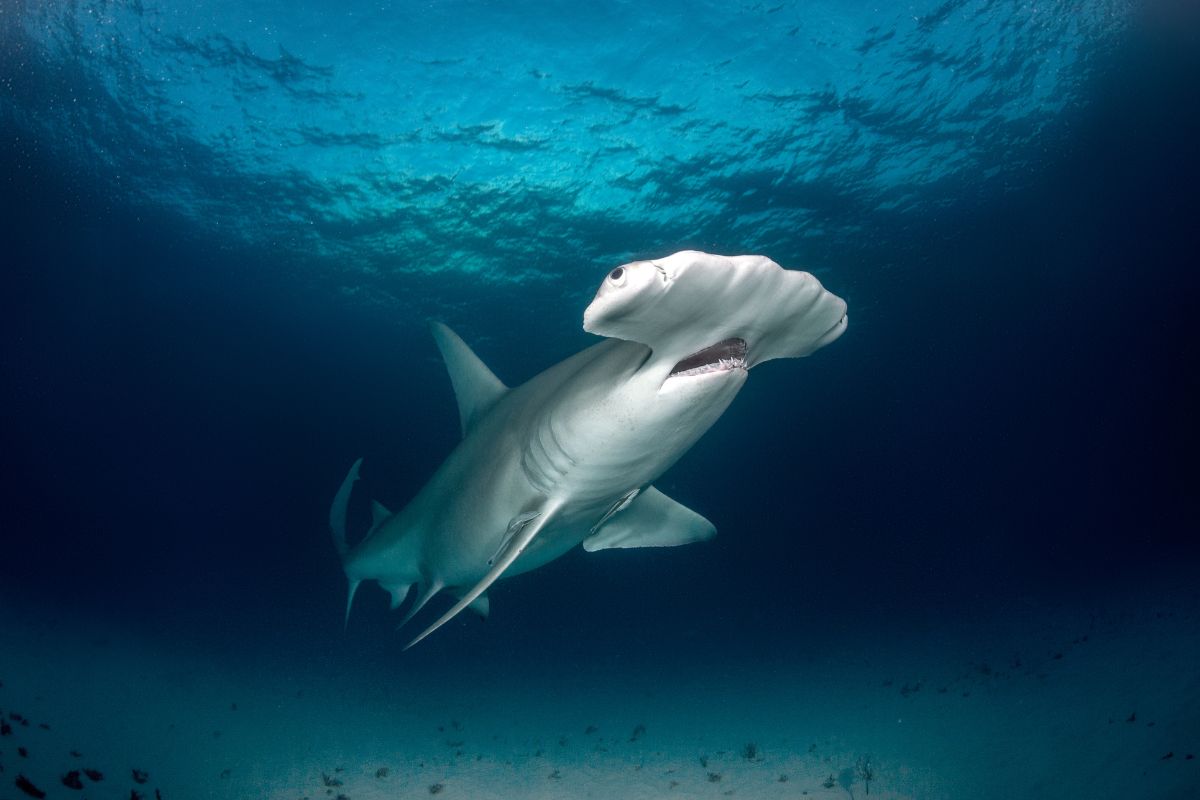
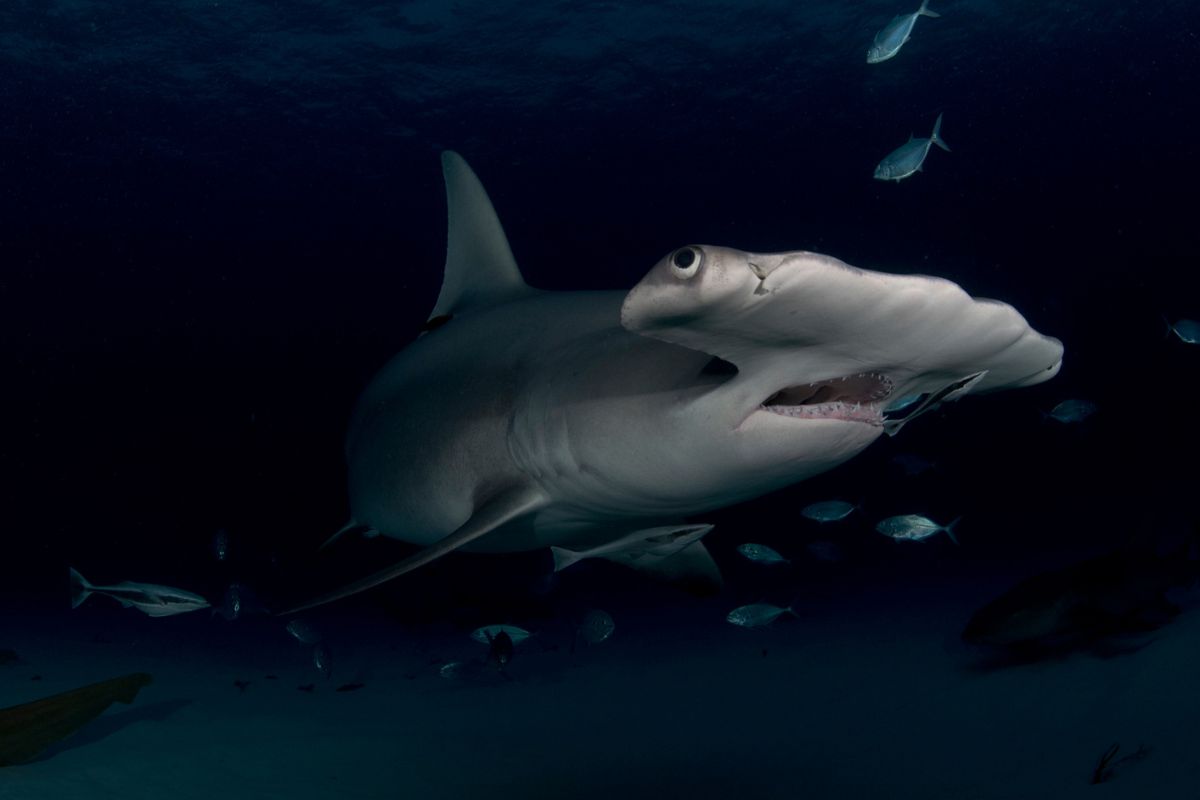
The most famous hammerhead dive site in Indonesia. A seamount called Batu Kapal rises 80 meters from the sea floor, topped by a lighthouse and crashing surge. Divers enter negatively buoyant and descend immediately to 15 meters to clear the surge zone. Scalloped hammerheads school on the open-ocean side at 18–25 meters between June and October. Great hammerheads appear individually deeper, around 35 meters. Also: schooling barracuda, white-tip reef sharks, tuna, and mackerel. Advanced cert + 50–100 dives required.

The Cathedrals
The Cathedral (Belongas Bay)

The Magnet's quieter sibling, but still a serious dive. A pinnacle with deep walls and big rock formations that drop into open water. Less reliable for hammerheads than The Magnet but more diveable in marginal conditions. Mobula rays, white-tips, sea snakes, and the occasional eagle ray. The currents and surge make it advanced-only.

Shark Point
Shark Point (Gili Trawangan)

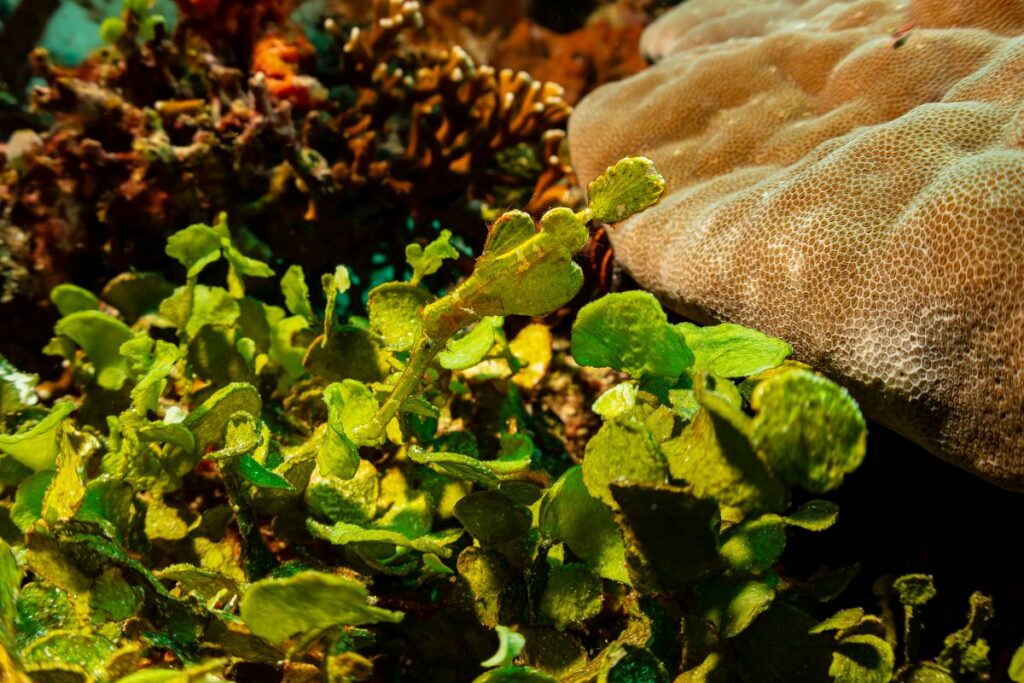
A gently sloping reef off Gili Trawangan's east coast bottoming out around 24 meters. Whitetip and blacktip reef sharks rest on the sand among soft corals, and ghost pipefish, octopus, and turtles share the slope. One of the most reliable shark dives in northern Lombok, suitable for divers at the AOW level.

Untitled (1200 x 800 px) (1920 x 1080 px) (1500 x 1000 px)
Deep Turbo (Gili Trawangan)

A large site off the northeast tip of Gili Trawangan, facing open ocean. Sandy bottom with coral mounds, overhangs, and small caves. Currents can pick up. Whale sharks occasionally pass through, and big snappers shelter under the ledges. The most exciting site in the Gili group.

Turtle Heaven
Turtle Heaven (Gili Meno)

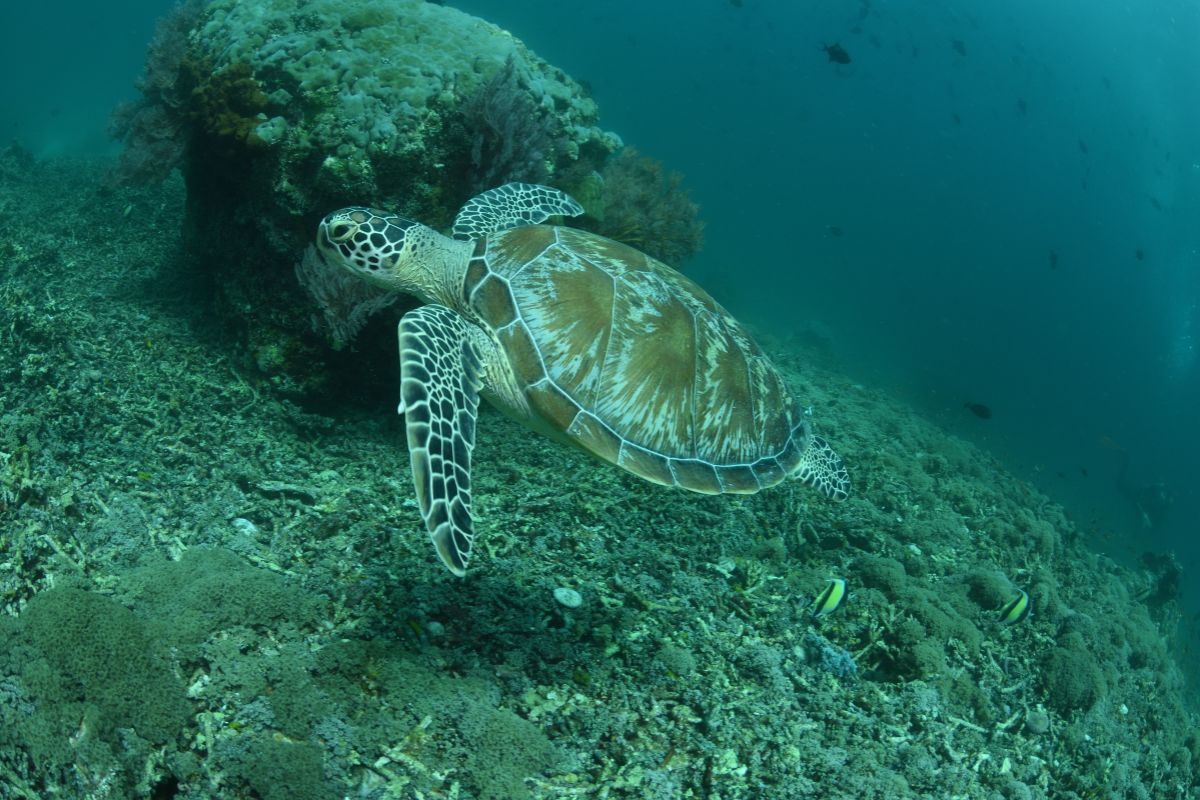
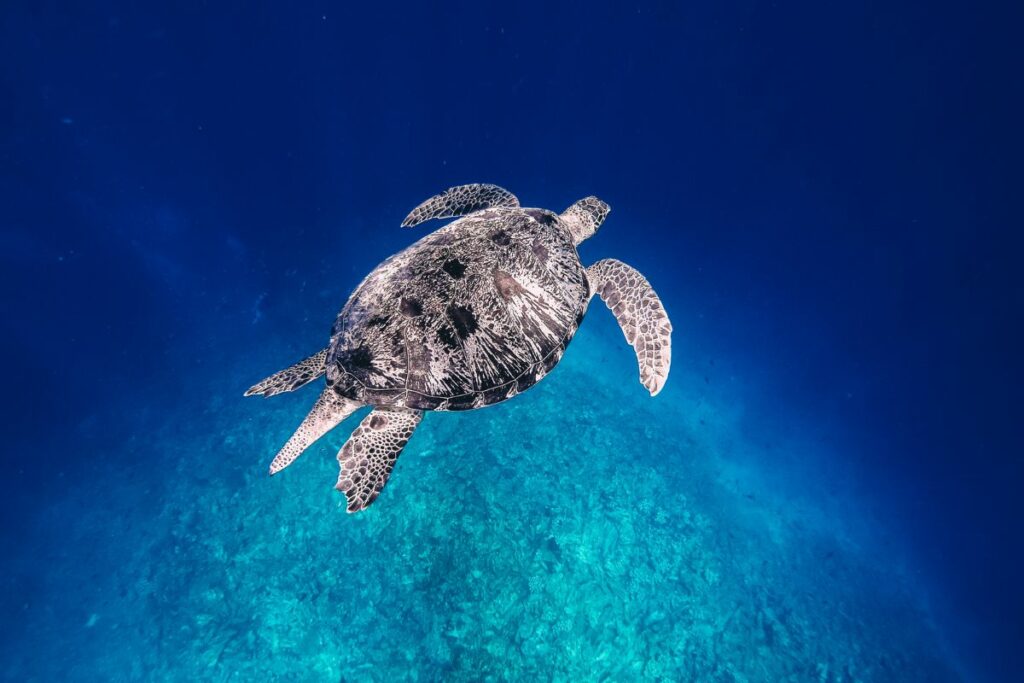
Self-explanatory. Green and hawksbill turtles are seen on nearly every dive. Gentle conditions, shallow reef, easy to combine with two morning dives. The reliable site for non-divers, free-divers, and snorkelers in the booking party.

Magnet Sand
Magnet Sand / Magic Pier (North Lombok)

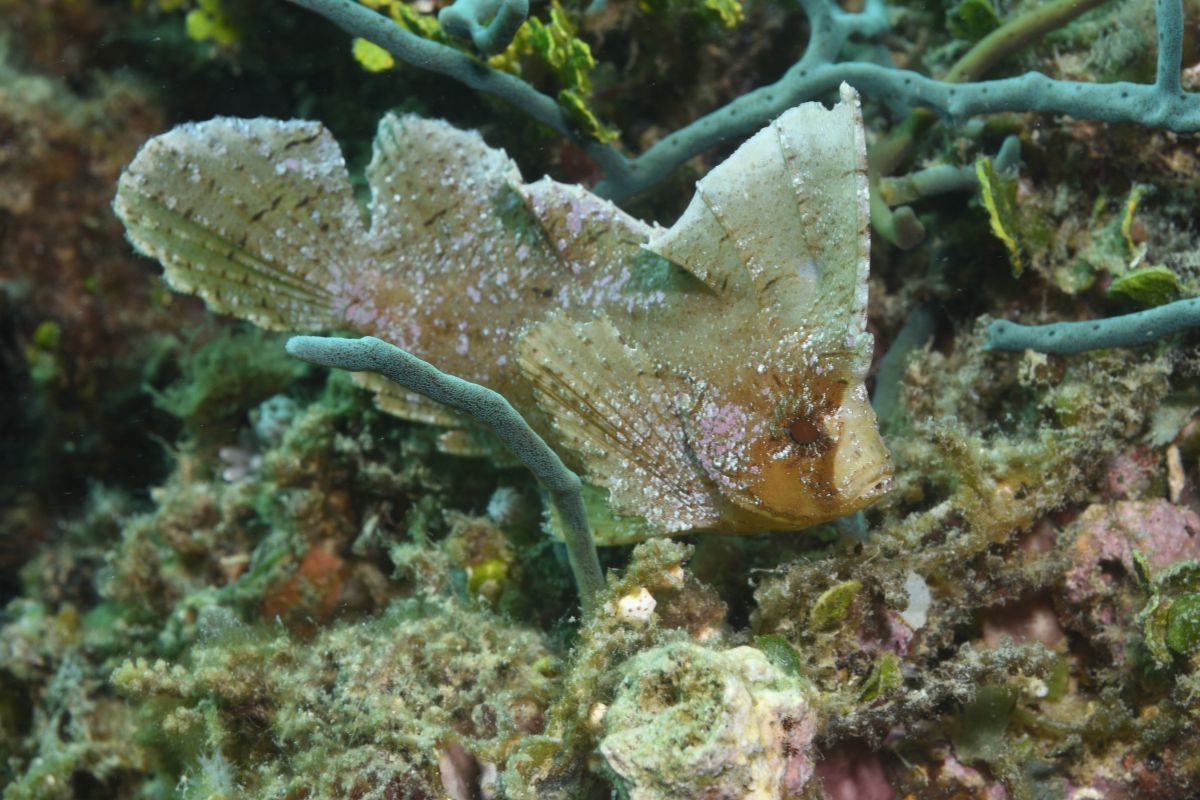
Muck diving at the base of Mount Rinjani. Volcanic black sand at shallow depths hides hairy octopus, harlequin shrimp, flamboyant cuttlefish, frogfish, and ghost pipefish. Often a surprise highlight on liveaboard itineraries that focus elsewhere.

Teluk Cheningan
Seahorse Bay / Teluk Cheningan (Southwest Lombok)

World-class muck diving on Lombok's southwest peninsula. Pygmy seahorses, mandarinfish, and rare nudibranchs across sandy slopes. A useful complement to the bigger-fish dives in Belongas, and easier on the experience level.

Hammerhead
Hammerhead Sharks

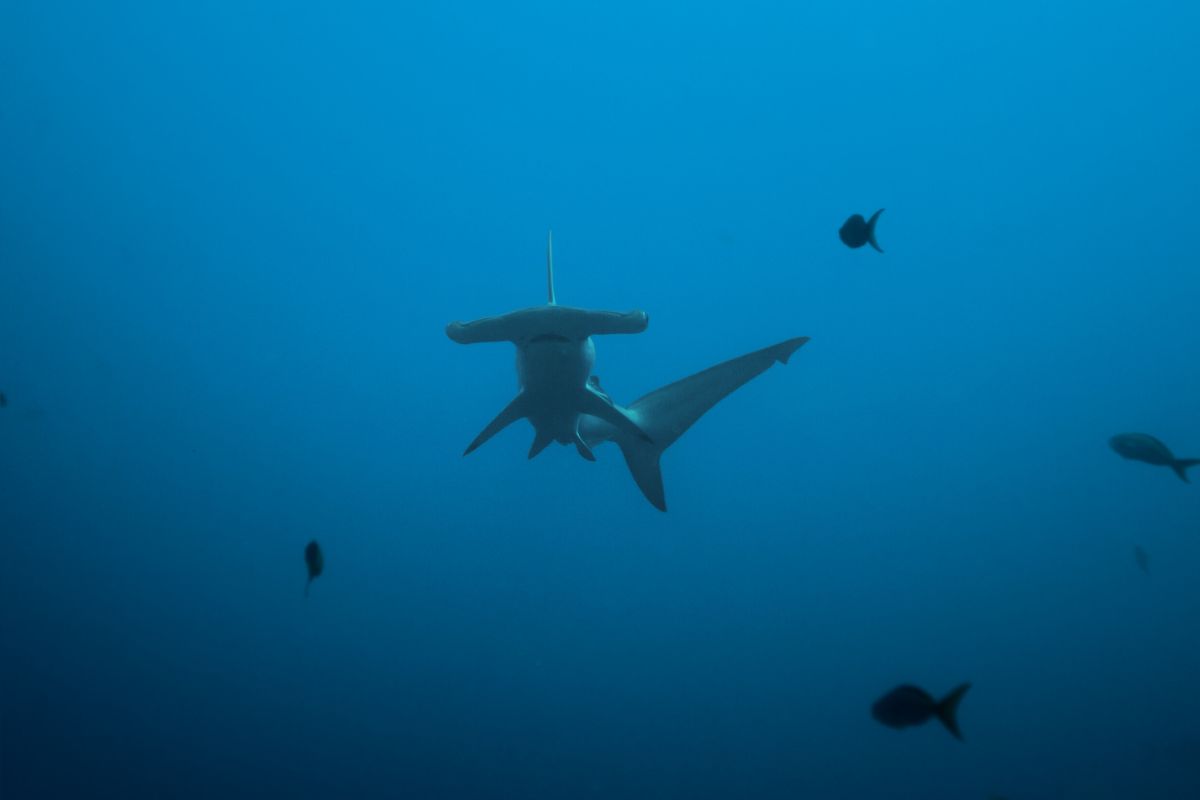
Lombok is one of only three places worldwide where both scalloped and great hammerheads can be seen on the same dive. Scalloped hammerheads school in the open ocean side of The Magnet at 18–25 meters between June and October. Great hammerheads (Sphyrna mokarran) appear individually around 35 meters.

Turtle
Sea Turtles

Green and hawksbill turtles are abundant around the Gili Islands. Resident populations at sites like Turtle Heaven and Shark Point are habituated to divers. Gili Meno hosts a community-run turtle hatchery.

Mobula Ray
Mobula Rays

Schools of mobula rays appear seasonally at Belongas Bay between June and October, often on the same dives as hammerheads. Smaller relatives of the manta ray, they school in numbers from a handful to several hundred.

Reef Shark
Reef Sharks

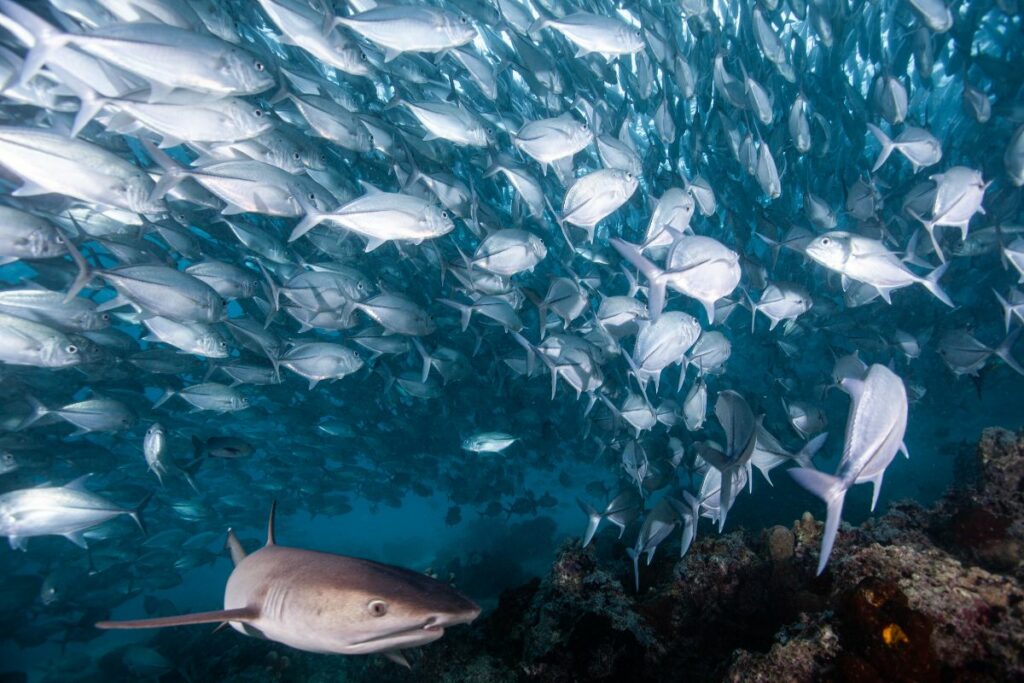
Whitetip and blacktip reef sharks are reliable at Shark Point (Gili Trawangan) and several Belongas sites. Most are around 1–1.5 meters and habituated to divers.

Mandarin Fish
Macro Critters

Pygmy seahorses, ghost pipefish, mandarinfish, frogfish, harlequin shrimp, hairy octopus, and flamboyant cuttlefish at the muck sites around Sekotong and Teluk Cheningan. Lombok's macro diving is often skipped by guests focused on the big stuff, but it's world-class in its own right.

Pelagic Barracuda
Pelagics

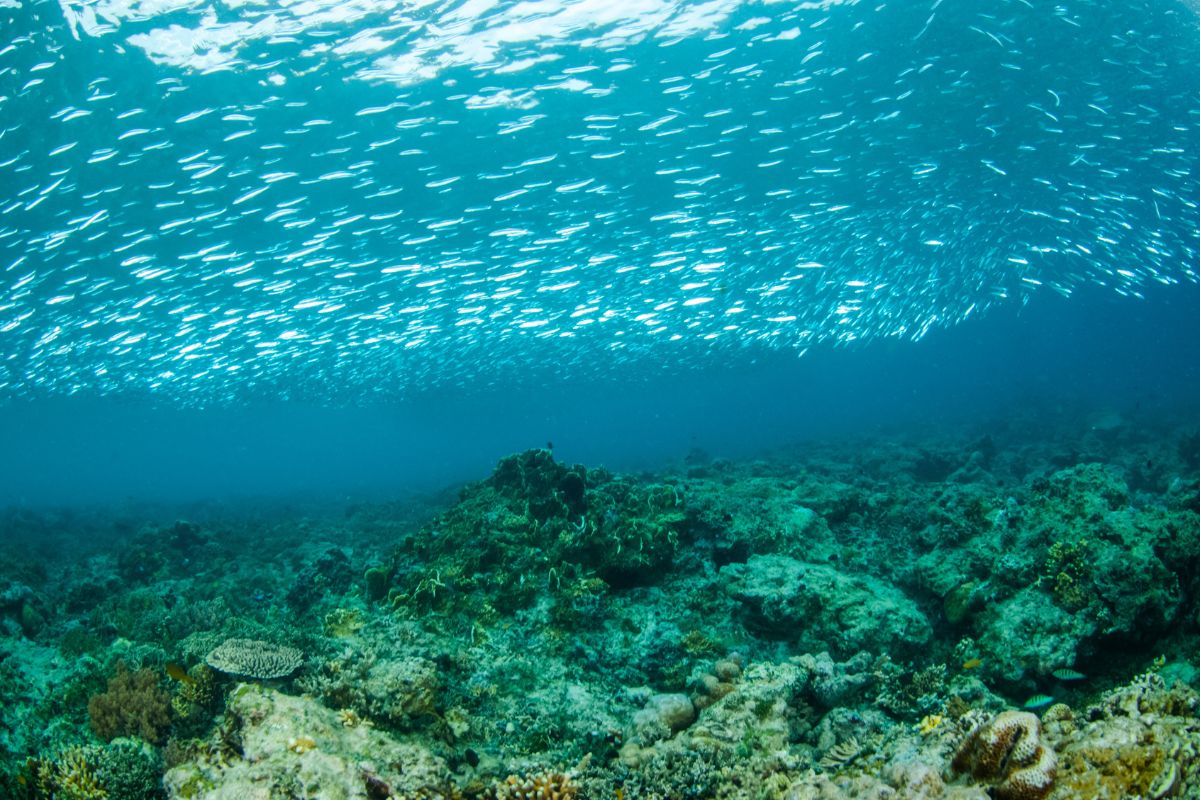
Beyond hammerheads, expect schooling barracuda, giant trevally, tuna, mackerel, eagle rays, and the occasional whale shark at Deep Turbo. The Wallace Line's nutrient-rich currents make Lombok's pelagic encounters more reliable than the Gili reefs alone would suggest.

Water Temperature
Surface temperatures range 27–29°C year-round around the Gilis. South Lombok and Belongas Bay are noticeably colder — water drops to 21–24°C below the thermocline at The Magnet. A 3mm wetsuit is fine for the Gilis; bring a 5mm if you’re diving Belongas.
Topography
Lombok’s diving covers two contrasting environments. The Gili Islands sit on shallow, gently sloping reefs (5–25m) with sandy bottoms and coral mounds. Belongas Bay is the opposite: deep seamounts and pinnacles rising from open ocean, with vertical walls dropping past 80m. Macro sites around Sekotong and the north coast are shallow black-sand slopes.
Current
Gentle at the Gilis — suitable for beginners and Open Water divers. Strong and unpredictable at Belongas, with surface surge, down-currents, and shifting direction. Most operators require Advanced Open Water + 50–100 logged dives for The Magnet and Cathedral. Your dive guide will read the conditions and may cancel Belongas dives on the day if the surge is dangerous.
Rinjani
Mount Rinjani

Indonesia's second-highest volcano at 3,726 meters, dominating Lombok's skyline. A two- to three-day summit trek is the standard offering, but most liveaboard guests view it from the boat or from the lowland viewpoints. The crater lake (Segara Anak) is one of the most striking landscapes in Indonesia.

Pink Beach
Pink Beach (Tangsi Beach)

A long stretch of pink-tinged sand on Lombok's southeast coast, colored by crushed red coral mixed with white quartz. One of only seven naturally pink beaches in the world. Often visited as a half-day stop on Komodo-Lombok crossings.

Gili
Gili Trawangan, Meno & Air

Three small islands northwest of Lombok with no motorized transport — only bicycles and horse-drawn carts. Trawangan is the busiest with bars and restaurants; Meno is the quietest; Air sits in the middle. Most liveaboards include time on at least one for a beach stop.

Sade Village
Sasak Villages (Sade & Ende)

Traditional villages on Lombok's south coast where the indigenous Sasak people preserve ancestral architecture (woven bamboo houses with thatch roofs) and traditional weaving. A half-day cultural excursion if your itinerary calls at Kuta Lombok.

Tanjung Aan
Kuta Lombok & Tanjung Aan

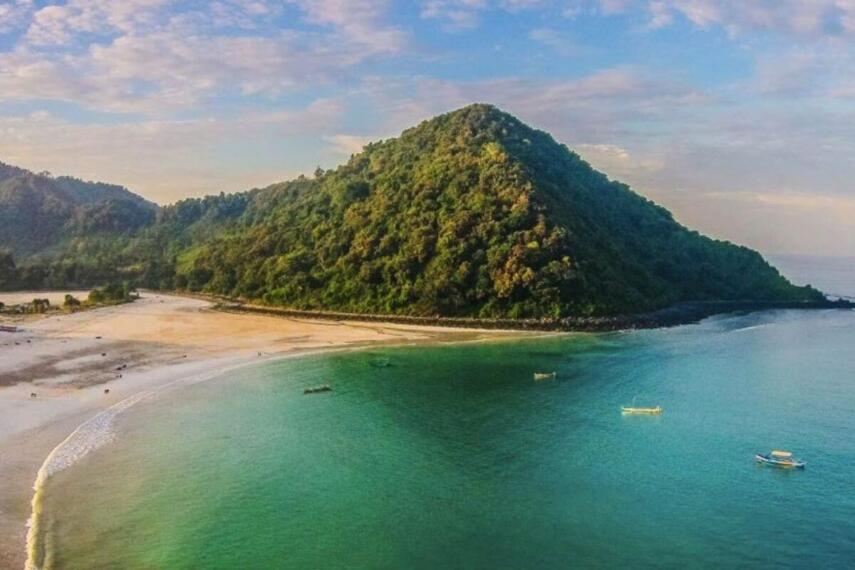
Lombok's south coast is famous among surfers for its left and right breaks. Tanjung Aan beach is a wide white-sand bay backed by green hills. Different in character from Bali's Kuta — quieter, less developed.

gili nanggu sekotong
Sekotong Peninsula

Lombok's southwest tip and the gateway to Belongas Bay. The peninsula is dotted with small islands (the "South Gilis" — Gili Gede, Gili Asahan, Gili Layar) and has a remote, undeveloped feel. Worth a half-day if your boat anchors here between Belongas dives.

Getting There

Most Lombok liveaboards depart from Bali (Benoa Harbor), Lombok itself (Lembar or Bangsal), or Labuan Bajo. The fastest international route is to fly into Bali and connect domestically or take a fast boat. We recommend arriving a day before embarkation — domestic flights to Lombok are prone to delays.
Lombok Map-01

 
Jakarta (CGK) - Lombok International (LOP)

 
Surabaya (SUB) - Lombok International (LOP)

 
Bali (DPS) - Lombok International (LOP)
Transportation Icon-08
By Plane

Fly into Lombok International (LOP) via Jakarta (CGK), Surabaya, Singapore (Scoot), or Kuala Lumpur (AirAsia). From Bali, Wings Air (Lion Air Group) and Citilink offer 40-minute hops to Lombok. Bali's Ngurah Rai (DPS) handles international long-haul routes.

Transportation Icon-03
By Liveaboard

Trips run anywhere from 3 nights (Bali–Lombok or Lombok–Sumbawa) to 12+ nights (Bali–Komodo crossings including the Gilis and Belongas). Bali–Komodo via Lombok is the most common itinerary. Specialty hammerhead trips depart Lombok directly during the August–October peak.

Explore

Lombok

Liveaboards

Nataraja

Mischief

Supraba Liveaboard

Jakaré

Wellenreng

Jofiel

Jaya

Amira

Semesta Voyages

Wunderpus

Gammara Phinisi

Tiare Cruise

KLM Eliya

Temukira

Bajak

Damai II

Aliikai Voyage

Derya

Dunia Baru

Neomi Cruise

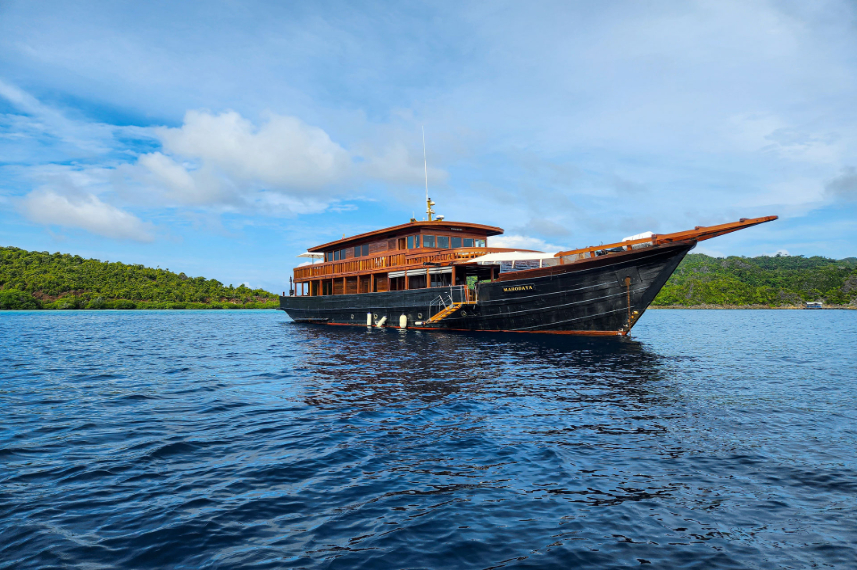
Mahodaya

Jelajahi Laut

Rebel

Lamain Voyages II

Majik

Aurora

Royal Fortuna

Aboya

Dewi Nusantara

Vela

Ikan Biru

MAJ Oceanic

Samambaia

Samara II

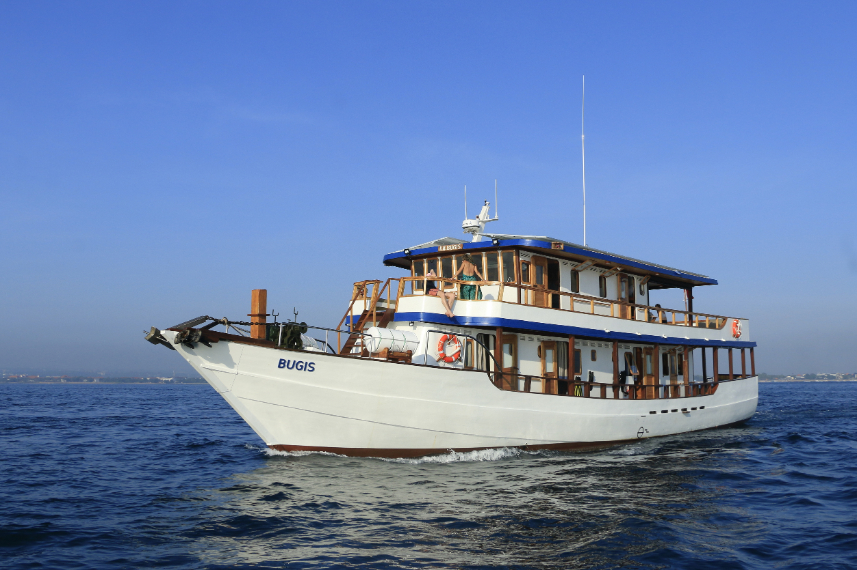
Bugis

Magia II

Rascal

Sokaraja

Queenesia I

Lalunia Liveaboard

Gaia Love

Andamari

Kanthaka Phinisi

Ondina

Augustine Phinisi

LOMBOK LIVEABOARD — FREQUENTLY ASKED QUESTIONS

Everything you need to plan a Lombok liveaboard — from scalloped and great hammerheads at Belongas Bay, turtle reefs around the Gili Islands, and the Wallace Line, to Mount Rinjani, pink beaches, and how to combine Lombok with Bali or Komodo.

The Wallace Line is an invisible biogeographic boundary identified by naturalist Alfred Russel Wallace in 1859, running through the Lombok Strait — the narrow channel between Bali and Lombok. It marks the division between Asian and Australasian fauna, a divide so pronounced that species on either side evolved in near-complete isolation despite the short distance between them. For diving, the practical significance is in the water: the Lombok Strait funnels cold, nutrient-rich upwellings from the Indian Ocean into the Pacific current system, creating the conditions that feed Lombok’s pelagic life. The same upwellings that draw schooling hammerheads to Belongas Bay and mobula rays to the southern sites are a direct product of the currents the Wallace Line channel generates. Lombok sits at one of the most oceanographically productive stretches of water in Southeast Asia.

The best season overall is May to October, with August to October being the peak window for hammerhead encounters at Belongas Bay’s The Magnet. The dry season brings calmer seas, clearest visibility at the Gili Islands (up to 20–25m), and the strongest cold upwellings that concentrate hammerheads and mobula rays at the southern sites. The Gili Islands dive well year-round — turtle encounters at Turtle Heaven and Shark Point are reliable in any season. For guests whose primary goal is the hammerhead dives, planning around August to October is essential and adding buffer days is strongly recommended — Belongas Bay’s surface surge can cancel The Magnet dives on short notice even in peak season.

Lombok is served by Lombok International Airport (LOP), with direct domestic flights from Jakarta (CGK), Surabaya (SUB), and Bali (DPS), plus international connections from Singapore (Scoot) and Kuala Lumpur (AirAsia). From Bali, the flight is approximately 40 minutes on Wings Air or Citilink. Many Lombok liveaboards depart from Bali’s Benoa Harbour rather than Lombok itself — the Bali to Lombok crossing is typically the first leg of the trip. Others depart from Lembar or Bangsal on Lombok. Confirm the embarkation point with your operator before booking flights. Arriving the day before departure is recommended regardless of embarkation port.

The Magnet is a seamount called Batu Kapal that rises 80 metres from the sea floor in Belongas Bay on Lombok’s south coast. Strong Indian Ocean upwellings funnel cold, plankton-rich water up the seamount walls, concentrating scalloped hammerheads on the open-ocean side at 18–25 metres between June and October. Great hammerheads appear individually at around 35 metres. Lombok is one of only a handful of sites worldwide where both scalloped and great hammerheads can be seen on the same dive — a distinction that separates it from better-known hammerhead destinations. The dive itself is technically demanding: divers enter negatively buoyant and descend immediately to 15 metres to clear the surface surge zone. Advanced Open Water certification with 50–100 logged dives is the standard requirement.

Lombok caters to genuinely different experience levels depending on which region you’re diving. The Gili Islands are suitable for Open Water divers and snorkelers — gentle currents, shallow reefs at 5–25m, and reliable turtle and reef shark encounters that reward any experience level. The macro sites around Sekotong and Teluk Cheningan are calm and shallow. Belongas Bay is the opposite: The Magnet and The Cathedral involve strong surface surge, negative entry descents, shifting currents, and cold thermoclines. Advanced Open Water certification with 50–100 logged dives is the minimum requirement for these sites, and experience with negative entry diving is an advantage. Most Lombok liveaboards carry mixed groups, with the Gili dives accessible to all and the Belongas dives reserved for the more experienced guests.

The three Gili Islands — Trawangan, Meno, and Air — sit inside a small marine reserve off Lombok’s northwest coast, and green turtles and hawksbill turtles are resident in large numbers around all three islands. Turtle Heaven off Gili Meno is the most consistently productive site — turtles rest under coral bommies, graze the seagrass, and glide past divers on almost every dive. The turtles at the Gili Islands are habituated to human presence and are among the most approachable of any turtle population in Indonesia. Gili Meno operates a community-run turtle hatchery. The Gili turtle encounters are accessible to Open Water divers, snorkelers, and freedivers — they are one of the most reliable wildlife experiences on any Lombok liveaboard itinerary regardless of dive experience.

Lombok has world-class macro diving that is consistently overlooked by guests focused on hammerheads and turtles. Magnet Sand and Magic Pier on the north coast are volcanic black-sand muck sites at the base of Mount Rinjani, regularly producing hairy octopus, harlequin shrimp, flamboyant cuttlefish, frogfish, and ghost pipefish. Teluk Cheningan on the southwest peninsula offers pygmy seahorses, mandarinfish, and rare nudibranchs across sandy slopes in calm, shallow conditions. Shark Point on Gili Trawangan adds ghost pipefish and octopus alongside the reef sharks. The macro diversity at Lombok’s northern and southwestern sites is comparable to dedicated muck destinations, and because most divers come for the hammerheads, these sites are never crowded. For divers who want to extend the macro focus further east, Sulawesi’s Lembeh Strait is the logical next destination.

The Bali to Komodo crossing via Lombok is the most popular liveaboard itinerary in western Indonesia, running 7–14 nights depending on how much time is spent at each stop. Departing from Bali’s Benoa Harbour, the route typically calls at the Gili Islands for turtle dives and snorkeling, then Belongas Bay for the hammerhead dives (in season), then continues east through Sumbawa’s whale sharks at Saleh Bay and volcanic sites at Sangeang before reaching Komodo. The reverse — Komodo to Bali — is equally common. Shorter 3–5 night standalone Lombok trips also exist for guests who cannot commit to the full crossing. Specialty hammerhead departures from Lombok during August to October offer the highest chance of The Magnet encounters.

Mount Rinjani is Indonesia’s second-highest volcano at 3,726 metres, dominating Lombok’s skyline from virtually anywhere on the island or the surrounding sea. A two to three-day summit trek is the standard way to experience it, including a descent into the crater to the sacred lake Segara Anak. The trek requires planning as a separate land-based extension before or after a liveaboard trip — it is not a day excursion from the boat. Most liveaboard guests view Rinjani from the deck as the boat anchors off Lombok’s north coast, where the volcano provides a dramatic backdrop to the muck diving at Magnet Sand. For the energetic, combining a Rinjani summit with a Lombok liveaboard on either side is one of the most distinctive adventure itineraries in Indonesia.

Lombok’s Pink Beach (Tangsi Beach) is a long stretch of pink-tinged sand on the island’s southeast coast, the color produced by crushed red coral fragments mixed with white quartz sand — one of only seven naturally pink sand beaches in the world. It is most commonly visited as a half-day stop on Komodo to Lombok crossing itineraries, where the boat anchors off the beach for swimming and photography between dive legs. The water off Pink Beach is calm and clear, and the beach itself is relatively uncrowded compared to the better-known pink beach inside Komodo National Park. Confirm with your operator whether a Pink Beach stop is included on your specific itinerary — it depends on the direction and duration of the crossing.

Lombok is one of the most non-diver-friendly liveaboard destinations in Indonesia. The Gili Islands offer excellent snorkeling with green and hawksbill turtles, reef sharks at Shark Point, and clear, calm water accessible from the beach or by tender. The topside experiences are genuinely compelling on their own: Mount Rinjani visible from the deck, the Gili Islands’ car-free beach culture, Lombok’s Pink Beach, traditional Sasak villages near Kuta Lombok, and the dramatic south coast scenery around Belongas Bay. Non-divers who visit the Gili Islands specifically for the turtle snorkeling consistently rate it as one of the best wildlife encounters they have experienced without scuba gear.

Conditions vary significantly between the two main diving regions. The Gili Islands sit in warm, stable water at 27–29°C year-round with gentle currents and visibility typically 15–25m in the dry season. Belongas Bay in the south is a different environment: Indian Ocean upwellings push cold water up the seamount, and temperatures drop to 21–24°C below the thermocline at The Magnet. The surface surge at Batu Kapal can be significant even on calm days, requiring negative entry and immediate descent to 15m. A 3mm wetsuit is comfortable at the Gili Islands; a 5mm is strongly recommended for Belongas Bay. Conditions at The Magnet can cancel dives on short notice — build flexibility into your schedule if the hammerhead dives are a priority.

Explore other destinations